
The agricultural and food processing sectors of India are set to get a fresh focus today with the inauguration of a potato processing plant in Banaskantha, Gujarat.
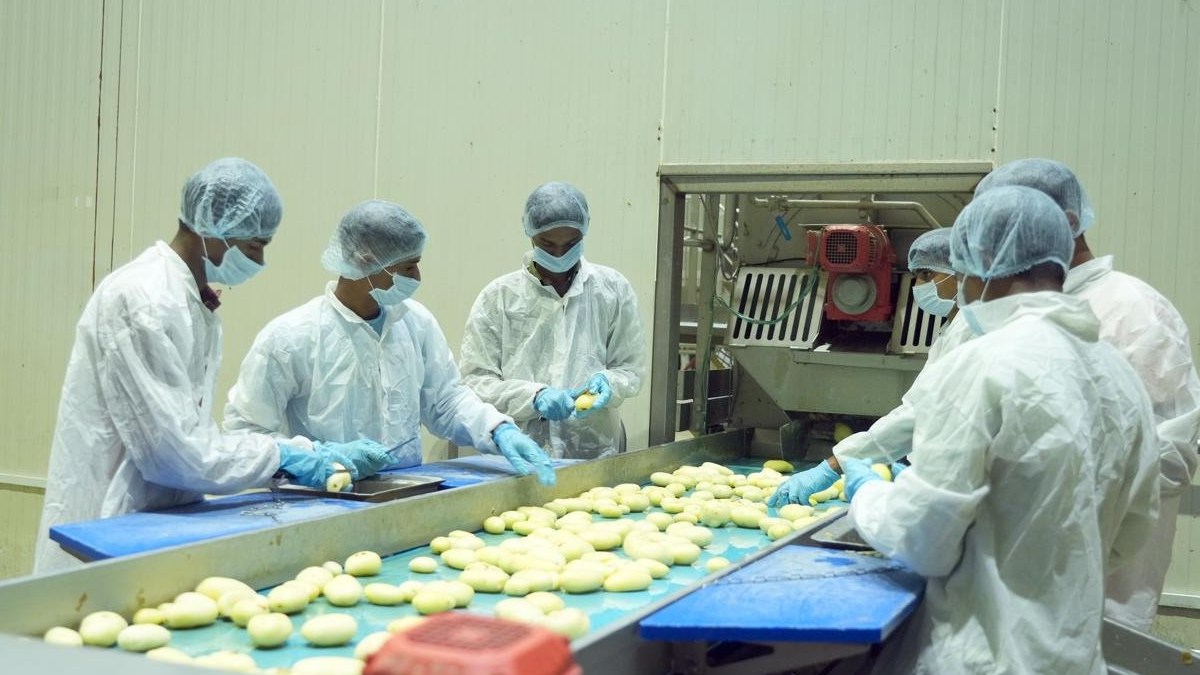
Touted with “Farm to Factory to Fries” and “Made in India. Served to the World” messages, the facility showcases India’s ambition to convert agriculture produce into value added food products for domestic as well as international markets. It puts spotlight on potatoes journey from farmers’ fields to modern processing plants and finally consumers across the world.
The inauguration of the plant is important because it signals a wider change in India’s agricultural economy.
Farmers have long sold raw produce locally prices can vary according to supply, demand, weather and transportation costs but food-processing facilities provide another route for them by converting agricultural produce into products that have a longer shelf life and higher commercial value (in potatoes this might be frozen French fries, potato chips, flakes etc processed food items which are widely consumed in India and abroad).
“Farm to Factory to Fries” is the idea behind this transformation. Potatoes grown by farmers can be taken to processing facilities where they are sorted, washed, peeled, cut, processed, frozen and packaged (depending on the final product) restaurants, supermarkets, food-service companies and export markets all take finished products.
Agriculture connects to manufacturing and opportunities occur at many stages of the food supply chain.
Banaskantha (in northern Gujarat) is an important agricultural region. Development of food-processing infrastructure in such areas can help strengthen the link between farmers and industrial buyers a modern processing facility can spur investment in storage, transportation packaging and other supporting services; manufacturing employment; quality testing; logistics; maintenance; administration etc.
Wider economic impact may also include businesses which supply machinery, packaging materials and other essential services to the food industry.
For farmers expansion of potato processing could create new markets. Processing companies tend to need potatoes that are size, shape, texture and dry matter content appropriate; this can spur farmers into improving cultivation methods and looking at potato varieties that meet industrial requirements (if backed up by reliable procurement arrangements and transparent pricing). Partnerships such as these could provide growers with a more organised market for their harvest.
However, the benefits for farmers will depend on how well the processing company builds relationships with local agricultural communities. Payments on time; fair procurement prices; quality seeds; technical assistance and demand predictability will all be important.
Farmers must not be over-dependent on a single buyer or crop either. A strong partnership between agricultural producers and food-processing companies can help ensure that value created by industrial processing is shared across the supply chain.
The plant is also coming at a time when processed potato products demand is being driven by expansion of quick service restaurants, hotels, supermarkets and food-delivery businesses.
French fries and other potato based products are now familiar on menus across urban India. Internationally frozen potato products are also part of a large food-service and retail market. Indian manufacturers could tap into these opportunities if they keep quality consistent; invest in modern processing technology; meet food safety and export standards.
The message “Made in India. Served to the World” expresses ambition to take Indian agricultural products outside domestic markets. Exporting processed food needs reliable cold-chain infrastructure, proper packaging, quality certifications and efficient transportation. Quality of frozen products during storage and shipping is particularly important.
🥔- 🍟- 🌏 Made in India. Served to the World. Expansion of the potato processing plant to be inaugurated in Banaskantha tomorrow! https://t.co/IekPm3j51u
— Narendra Modi (@narendramodi) October 29, 2026
The success of such initiatives will therefore not only depend on the processing plant itself but also on the wider network of farmers, logistics providers, storage operators and international buyers.
Today’s inauguration of the Banaskantha potato processing plant is an opportunity to show how agricultural produce can become part of a larger manufacturing and export ecosystem farms with factories, factories with consumers it shows what value addition can be in Indian agriculture if that facility builds farmer partnerships and has access to reliable markets.
Employment generation, rural economic activity and growth of India’s processed-food industry could all come from that facility if it does so well. From farm grown potatoes to finished fries that’s modern food processing at work for Indian agriculture.





Comments