
Amazon is developing a 22-hectare data center in Thane, Maharashtra, as part of its $21 billion investment in artificial intelligence infrastructure in India by 2030. The project shows the extent of digital infrastructure development in India as well as the growing fears of the local population about noise, electricity demand, water availability and loss of green spaces.
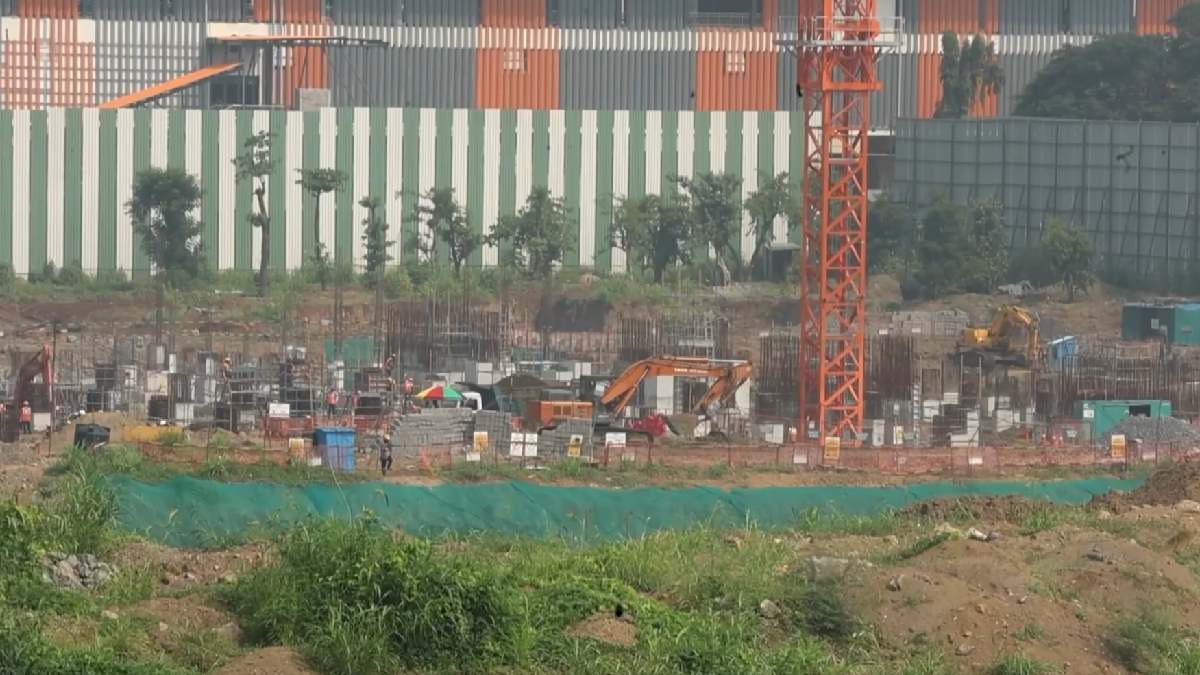
The centre is roughly the size of 41 football fields and will be an important extension to the region’s data infrastructure, but its impact on the communities in the vicinity is still being debated. More than 1,000 people in the vicinity say they were not told about the development and are concerned about what it will mean for their neighbourhood.
The concerns are indicative of a larger discussion in several countries as data centres are rapidly being built in support of cloud computing and artificial intelligence, and the need to manage energy, water, and environmental impact in local areas has become a big topic.
Thane Residents Fear Losing Their Green Surroundings
And for some people, the concern isn’t just about the commercial expansion in the area that will have to be built. It’s about the character of the neighbourhood they chose to live in.
One 46-year-old resident said he would not have purchased his house had he known of the planned data centre. He explained that he had been attracted to the property partly due to the green surroundings.
Another resident, 62-year-old Vasudha Shetty, was even more worried about the project’s future. She and others would stay in the area if the data centre did not happen, she said, but would move if it did.
Such responses are a further indication of the importance of public consultation when major infrastructure projects are being developed near residential communities. Residents are able to see that cities need new facilities for economic growth, but they are also interested in knowing what the impact (if any) those facilities might have on their everyday lives, property, and the local environment.
Why Amazon Is Building A Large Data Centre In Thane
Data centres are essential to the digital services people use every day. They house servers and networking equipment that process and store information for cloud computing, online platforms, business applications, and artificial intelligence systems.
As demand for AI services grows, technology companies are investing in more computing capacity. The increasingly digital economy in India and growing use of cloud services in India is the driving force for this kind of investment.
Amazon's planned $21 billion investment in AI infrastructure in India by 2030 forms part of this wider expansion. A facility of the scale planned in Thane could contribute to the infrastructure needed to support digital services, but the local impact will depend on how the project is designed, powered, and operated.
What the community in which this infrastructure is served will have to decide is whether it is going to be good for them or worse for their quality of life.
Amazon Responds To Concerns About Power And Water
Amazon has addressed some of residents’ concerns. According to Reuters, the company said the facility would use water-free cooling and have a dedicated power supply separate from the electricity connections serving local residents.
The company also said it had planted more saplings than the number of trees removed from the site.
These assurances alleviate some of the issues raised by the neighbourhood, but residents might still want more information about how the measures will work in practice. A dedicated power connection, for example, would help separate the facility's supply from residential connections, but the overall electricity demand and infrastructure must always be the top priority.
Similarly, water-free cooling could reduce or avoid water use for the facility's cooling process, depending on the system deployed. Other operational requirements and the overall environmental footprint would also still need to be understood to determine the overall impact of the project.
Planting additional saplings may also help to compensate for the loss of trees, but the environmental benefits depend on the species planted, survival rates, maturity, and the amount of green cover ultimately restored.
Noise And Diesel Generators Could Affect Nearby Homes
One of the concerns for data centres is noise from all around. Servers, cooling equipment, fans, and other mechanical systems can create sound all day. Depending on the facility's design and distance from homes and noise-control measures, nearby residents might hear a constant hum.
Low-frequency noise is especially difficult to measure because it can be heard even if there are relatively few other sounds. Residents near data centres in other places have reported sleep disturbances and annoyance; however, they vary by site and operating conditions.
Another issue that communities often raise is backup diesel generators. These generators are used to provide emergency power when the main electricity supply fails. They can also create exhaust emissions and noise during tests or long-term outages.
The actual risk depends on the frequency and duration of generator use, emissions-control systems, maintenance, and the distance between equipment and residential areas. Residents will have to know that site-specific information is needed rather than assumptions based purely on experiences elsewhere for the Thane project.
Water Stress And Electricity Demand Remain Key Questions
Data centres require massive amounts of electricity to power computing equipment and to maintain suitable operating temperatures. Their need is also significant because many facilities operate continuously, including overnight and during peak digital activity.
Water use varies considerably according to cooling technology. Some facilities use water-intensive cooling systems, while others use designs aimed at minimizing direct water consumption. Amazon's stated plan for water-free cooling is therefore relevant to local concerns, although the full resource footprint also depends on other aspects of the facility and its supporting infrastructure.
The experience in North America and Europe has led to more public scrutiny of data centre developments. Some communities in some regions have expressed concerns about water withdrawals, noise, backup generators, lighting, and the effect of construction traffic.
Such examples do not mean that the same problems are going to happen in Thane. They do, however, suggest that residents and local authorities will have to have clear environmental assessments, operating conditions, and monitoring arrangements before and after any facility starts operating.
Construction Traffic And Security Lighting Add To The Concerns
Construction itself can affect people living near a large development. Heavy vehicles transporting building materials and equipment may increase traffic, while construction activity can produce dust, mud, and temporary disruption to nearby roads.
Even once operational, a data centre will need to have security lighting and perimeter monitoring. If lighting is not well planned or too bright, it can leak into nearby houses and disrupt residents at night.
Such effects can be reduced through practical measures in terms of construction schedules, dust control, truck routes, lighting, and noise barriers. But implementation and monitoring are essential. Residents' transparent communication of construction timelines and complaint-resolution procedures can be as important as the technical design of the facility to them.
Balancing AI Infrastructure Growth With Residents' Needs
The Thane data centre debate is emblematic of the larger challenge facing cities as companies build infrastructure for artificial intelligence and cloud computing. Big investments in these sectors can provide digital services and economic activity, but large facilities also need land, power, cooling, and transport access.
Amazon is building a 22-hectare data center, which is roughly the size of 41 football fields, at this site in the city of Thane, which is right next to Mumbai. Indians who live in the area are not happy about it https://t.co/2dRrbUU5Bg https://t.co/BqM3QoA4bG
— Reuters Business (@ReutersBiz) October 9, 2026
The concerns of the people living there show why infrastructure planning must not be geared towards the technology that is being built. Community consultation, environmental protection, and clear information about resource needs are all part of building trust and finding solutions before disputes become issues.
Amazon has outlined measures in cooling, electricity supply, and tree planting, but residents’ concerns are around how the project will impact the neighbourhood in practice. Independent monitoring, available project information, and effective channels for reporting problems might be the answers to those questions in the development process.
Finally, the Thane project also illustrates the tension between India’s expanding need for digital infrastructure and the expectations of people living near big development centers. How that balance is managed could affect public opinion on future data centres in the country as AI investment continues to grow.







Comments
Leave a Comment