Railway stations have long been more than train stops. At historical stations across the globe, human migration, war, industrial development, and the transformation of whole cities have all occurred.
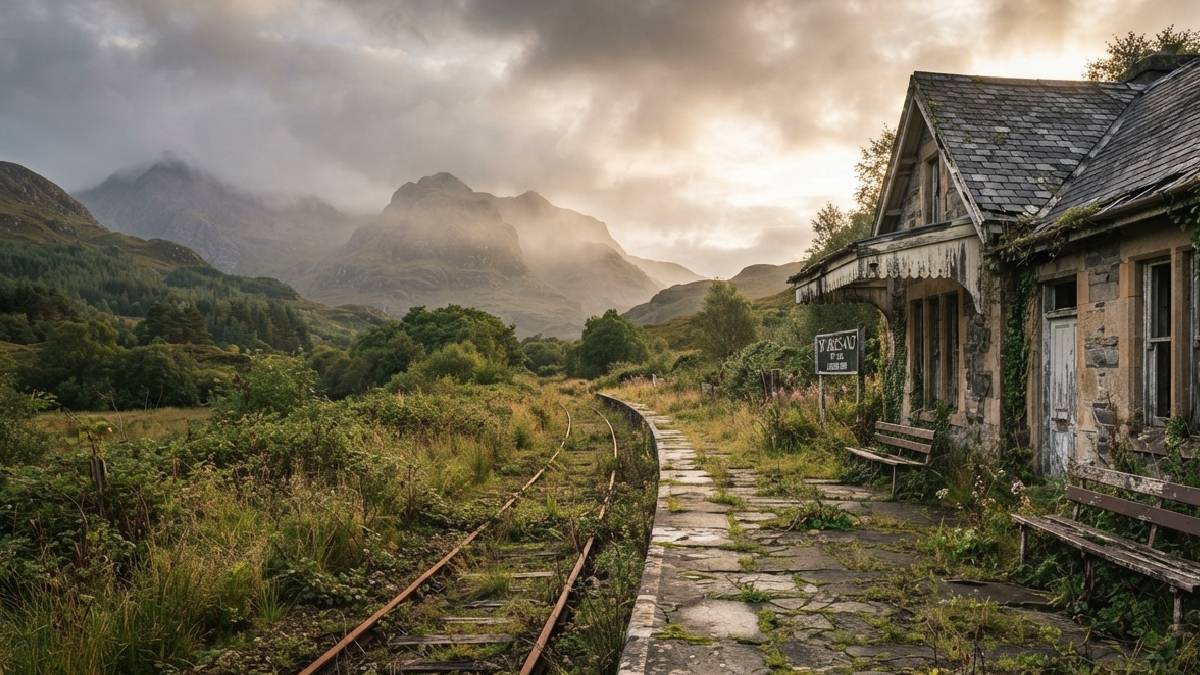
Most of the stations still serve passengers today, but others have been abandoned as railway routes changed, industry declined or new stations have replaced them. Some are still a reminder of the past, in the woods and deserts or in a rapidly changing city.
These abandoned train stops can only be seen as the best places for the history of our world to come from in Europe, and some of the abandoned railway stations have a lot of stories about them. Some are now heritage destinations and others have been reclaimed by nature. Here are 10 abandoned stations around the world with great stories to tell about them.
1. Canfranc International Railway Station, Spain
Close to the French border in the Pyrenees, Canfranc International Railway Station is one of Europe's greatest rail attractions. The huge station opened in 1928 and was built for international rail travel between Spain and France. Its grand architecture showed the importance once attached to the route.
The international railway link was disrupted when a railway bridge was destroyed during World War II and political and economic circumstances also changed the station’s importance. The railway infrastructure has been revived but the historic station building was largely unused for decades. Its imposing hall and long platforms have made Canfranc a very good place to visit for train history fans.
2. Michigan Central Station, United States
Michigan Central Station in Detroit was once a symbol of the city’s importance as an industrial and transportation centre. Built in 1913, the imposing Beaux-Arts building served generations of passengers before rail traffic declined and it closed in 1988.
For years the massive structure was one of Detroit’s most famous abandoned buildings. Its bad interior attracted photographers, urban explorers and filmmakers. The station then had a major restoration and moved from being abandoned to an architectural revival.
3. Gare de Canfranc's French counterpart in Forges-les-Eaux, France
France has several historic railway sites where changing routes and declining passenger services have left once-important infrastructure behind. Smaller stations in rural areas were particularly vulnerable as railway networks were streamlined and passenger traffic shifted to major routes.
Such abandoned railway buildings are a different experience from grand metropolitan terminals. Their platforms, signal equipment and station houses are often in the countryside and travellers have a chance to investigate the relationship between railways and rural communities.
4. Sanatorium Station, New Zealand
New Zealand railway history contains many closed and abandoned stations that were once vital to remote communities. Many of these stations for rural and industrial areas frequently ended up being used to serve other areas as passenger services declined and road transport became more and more dominant.
The remains of such trains are now found in historic railway corridors. Their stories illustrate how transportation technology also changed communities and how in places where railways once provided the best way to bridge cities and towns and make connections between cities in the first place.
5. Kayamandi and abandoned railway sites, South Africa
South Africa’s extensive railway network connected mining regions, agricultural centres and growing cities. As passenger routes were reduced and infrastructure changed, many smaller stations fell into disuse.
Some old railway buildings have survived as reminders of the country’s industrial and colonial transport history. Those interested in railway heritage can find remnants of platforms, station buildings and tracks still visible from many of the former routes, but access to individual sites is usually non-standard so they should be investigated before visiting.
6. Val-Jalbert Railway Station, Canada
Quebec's Val-Jalbert is more famous as a ghost town than simply an abandoned railway destination. The community grew around a pulp mill, with the railway connecting the community to the rest of the area.
This community disappeared gradually after the mill closed in the 1920s. Today, the site is being preserved as a heritage site and visitors are able to see historic buildings and how industry, railways and communities were all connected.
7. Old railway stations of the Peloponnese, Greece
Greece's Peloponnese region has railway stations that are associated with routes that have had long stints of closure and reduced services. Small station buildings scattered across the countryside are reminders of an earlier time when rail connections connected remote settlements.
Their simple architecture is unlike Europe’s monumental terminals, but their stories are equally fascinating. Some were built for the local communities and were important landmarks before changing transport patterns reduced their relevance.
8. Abandoned stations on Argentina's former railway network
Argentina once had one of the most extensive railway networks in the world. Railways were the heart of the country’s agricultural economy and were the link between rural areas and major cities.
Economic changes and the closure of many railway lines left many rural stations isolated. Some are repurposed and some have been reused to modernise railway stations, while others lie abandoned along with idle tracks. Locations such as these offer a fantastic glimpse of how the decline of railway services affected entire communities that had developed around stations.
9. Abandoned railway stations in the Himalayas, India
India’s vast railway history has left behind many disused or relocated railway structures. In mountainous areas, the old railway infrastructure can be particularly striking because stations and tracks were often constructed in challenging terrain.
Historical sites are associated with former routes, construction projects or changes in railway alignment. They are a portrait of the engineering challenges to connect remote regions and how settlement and trade were affected by railway development.
10. Old railway stations in Japan
Japan is known for its efficient modern railway network, but its railways also have numerous abandoned lines and stations. These are haikyo sites, and photographers and urban explorers are interested in exploring the abandoned infrastructure of Japan.
Some stations were closed when declining populations made services economically unsustainable, while others became unnecessary after new routes or tunnels were constructed. Weathered platforms, old signs and vegetation-covered tracks can create an atmosphere so different from Japan’s current high-speed railway stations.
Why abandoned railway stations fascinate travellers
Abandoned railway stations are fascinating because they are more than just architecture; they tell stories of economic development, technological progress, migration, and the rise and fall of communities. A train station that used to be filled with people may now be quiet, while another may have found a new life as a museum, heritage attraction, or cultural site.
However, travellers should remember that abandoned does not necessarily mean open to the public. Many railway properties are privately owned or structurally unsafe. Visitors should check official access rules, avoid entering restricted areas, and choose heritage sites that are legally open for exploration.
As for travellers interested in history, architecture and forgotten places, these stations provide an unusual way to understand the past. They illustrate how quickly transportation networks can change—and how traces of their history can persist long after the last train has departed.