Markets are usually associated with crowded streets, colourful shops and busy shopping lanes. But in some parts of the world the marketplace looks very different. Instead of walking from one shop to another, visitors can step onto a boat and shop while floating along a river, lake or canal.
Floating markets have emerged in communities where waterways were historically important for transportation, trade and everyday life. Traders use boats to sell fresh produce, seafood, flowers, cooked food and other goods. For travellers, they offer more than just a market. They shed light on local customs and the relationship between communities and their waterways.
From the canals of Thailand to the waters of Kashmir, here are nine floating markets around the world that turn shopping into a unique boat ride.
The Damnoen Saduak Floating Market, Thailand
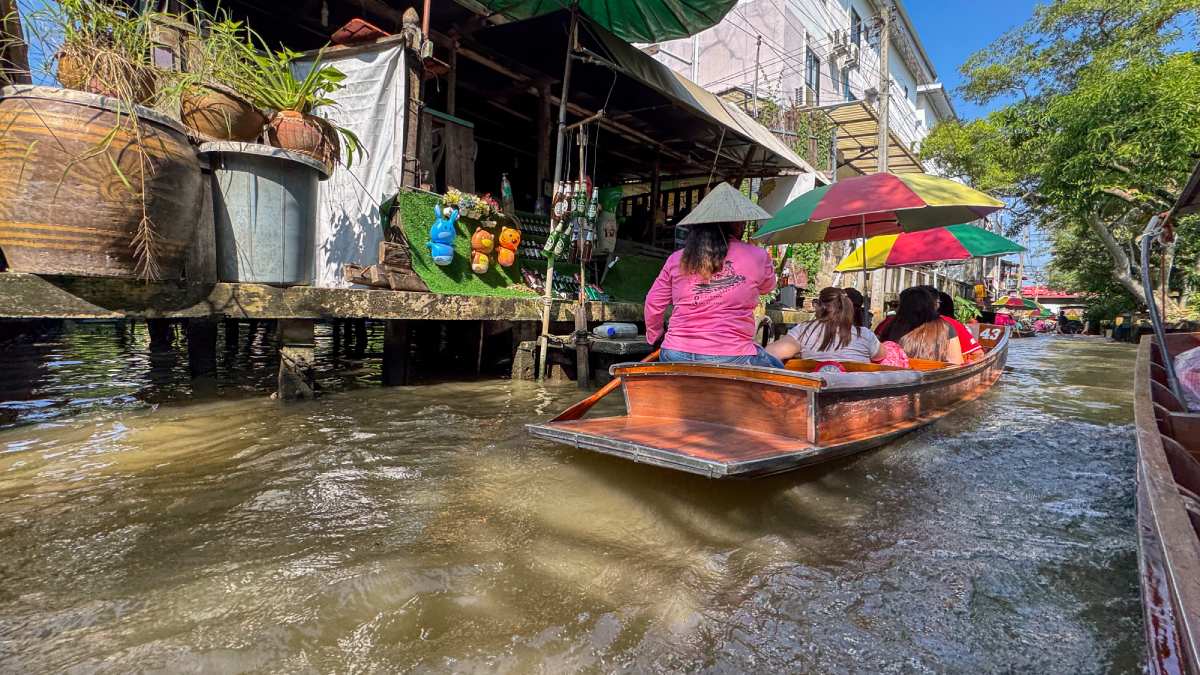
Damnoen Saduak is one of the most famous floating markets in Thailand and is located in Ratchaburi province, 100 kilometres southwest of Bangkok. It has narrow canals for floating, and small boats carrying tropical fruits, vegetables, flowers, cooked food, and souvenirs are seen throughout its canals.
Visitors can travel along the canals by boat, and vendors can paddle alongside them and sell their products. The market is very active in the morning. Damnoen Saduak is the traditional riverside lifestyle of the central region of Thailand, the Tourism Authority of Thailand said.
The market has become very popular with tourists and is one of Thailand's most photographed attractions.
Cai Rang Floating Market, Vietnam
Cai Rang Floating Market is located near Can Tho in Vietnam’s Mekong Delta. It is one of the markets in which early morning trading takes place, with boats coming and going in and out of the water to sell fruits, vegetables, and other products.
One of the most unique features of the sellers is the way they advertise what they have for sale. Products are usually displayed on tall poles attached to the boats so that buyers can see what’s on them from an eye-level view of what the trader’s carrying.
The market reflects the value of waterways to communities in the Mekong Delta. Instead of traveling to a traditional roadside market, traders and buyers use the river as their shopping route.
Lok Baintan Floating Market, Indonesia
In South Kalimantan, Indonesia the Lok Baintan Floating Market takes place on the Martapura River. Traders typically travel in small wooden boats loaded with fresh produce, snacks and other goods.
The early-morning activity is particularly prevalent in the market. The colourful boats are seen along the river as the sellers and buyers do business from the water.
The market offers visitors a chance to see a more traditional side of Indonesian river life. It’s also situated in a different setting from the large, heavily attended floating markets that are found elsewhere in Southeast Asia.
The Amphawa Floating Market, Thailand
Amphawa is another famous Thai location and is different from Damnoen Saduak. The market is more popular on weekends and comes alive in the afternoon and evening.
Food is one of its biggest attractions. Visitors can find seafood, grilled prawns, noodles, snacks, and traditional Thai dishes being prepared near the canal and on boats.
After sunset, they can also go on boat rides to see fireflies along the surrounding waterways. Amphawa is described by Thailand's tourism authorities as an evening counterpart to the early-morning atmosphere of Damnoen Saduak.
Dal Lake Floating Market, India
India also has its own unique floating market experience on Dal Lake in Srinagar, Kashmir. Traders use traditional boats known as shikaras to transport and sell fresh vegetables and other produce early in the morning.
The sight of boats ferrying colourful vegetables across the lake and the surrounding mountains of Kashmir makes the market very striking to visitors.
The floating market is closely linked to the traditional lifestyle around Dal Lake. It is also one of the experiences that makes Srinagar’s waterways different from conventional urban shopping destinations.
Inle Lake Floating Market, Myanmar
Myanmar's Inle Lake is famous for its floating villages, waterways, and distinctive fishing traditions. Its floating market is also an important part of life around the lake.
The market rotates around regularly, bringing traders and buyers from various communities of the lake to the market. Fresh produce, handmade products and traditional products are exchanged.
The Intha people are also noted for their unique leg-rowing technique, and thus travelling on the lake is an experience in itself.
Aberdeen Floating Village, Hong Kong
Hong Kong’s Aberdeen Harbour has a history with fishing communities and life on the water. The Aberdeen Floating Village has a marine heritage to see.
Fishing boats, seafood and floating restaurants have long been associated with this area. Hong Kong’s harbour is a haven and the buildings are very different from the skyscrapers and busy shopping centres in Hong Kong.
Boat-based, seafood-based and harbour-based life creates a floating market atmosphere in Aberdeen.
Tonle Sap Floating Market, Cambodia
Tonle Sap Lake is home to communities that have adapted their lives around changing water levels and seasonal conditions. Floating settlements, schools, homes, and businesses are found on the lake.
Markets and traders on the water characterize this lifestyle. Boats transport and trade fish, food, produce and everyday things.
For travellers visiting the region, the floating communities provide a glimpse into how people have adapted to life on one of Southeast Asia’s most important lakes.
Barito River Floating Market, Indonesia
The Barito River in South Kalimantan is another place where traditional river commerce can be experienced. In the market, traders traveling by boat sell fresh produce, food and other local products.
The colourful boats and busy river activity make the market a memorable experience for visitors. It also reflects the long-standing importance of rivers to communities in Borneo.
In reality, floating markets such as this demonstrate how waterways can function as roads, marketplaces, and meeting places at the same time.
More than Just a Shopping Experience
Floating markets are more than tourist attractions. They represent the history and geography of communities that have depended on rivers and lakes for generations.
In some places, modern roads and tourism have changed the way these markets operate. A lot of them are now major tourist attractions and others are still serving local communities. Damnoen Saduak, for instance, is now very much tourism-oriented, and markets like Amphawa still have a strong local food and weekend market character.
Still, for travellers, the appeal remains the same. A floating market combines shopping, food, local culture and sightseeing in one very different experience. Instead of walking through rows of shops, visitors can watch vendors paddle through waterways, shop for fresh produce, and eat local food while enjoying the smells of fresh produce around in a very different place.
That is what makes these markets so memorable. They are not just places to buy things. They are places where the journey to the market can be as interesting as the shopping itself.