Himalayas have been home to many travellers, with snow-covered peaks and valleys, forests, rivers and culturally rich mountain communities for over centuries. Travel and adventure tourism from trekking to adventure tourism to spiritual travel and family holidays and other things in between have been popular in the Himalayas for many years and visitors.
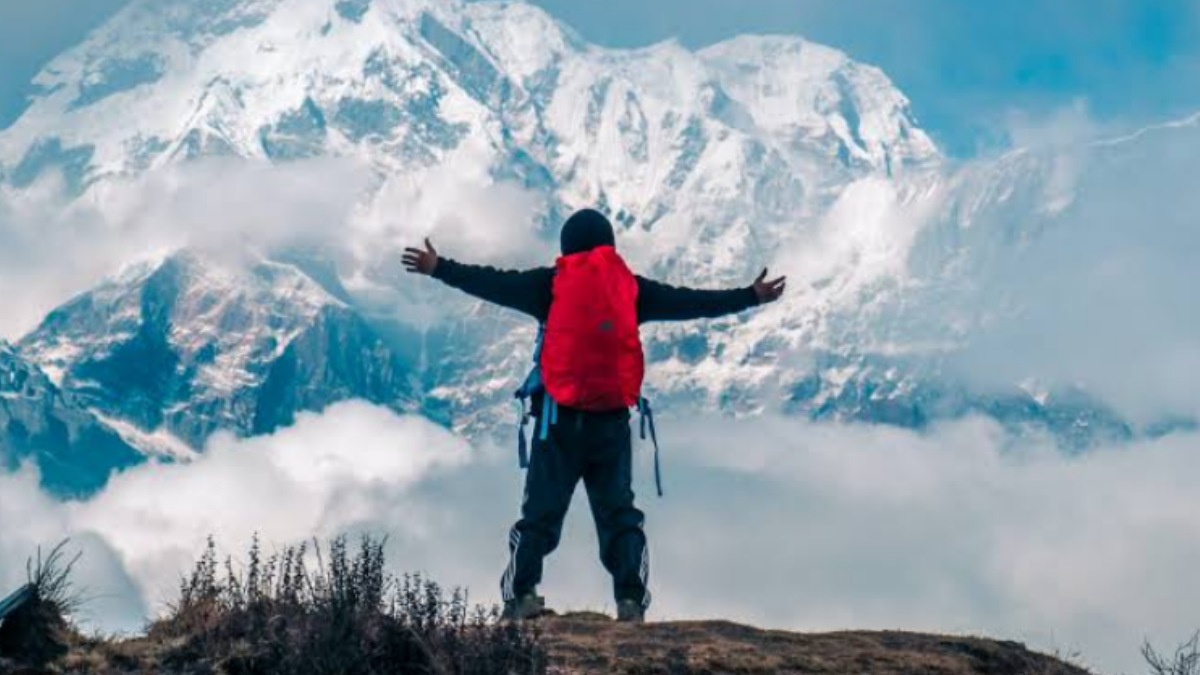
But the weather always changes and the way people go on to visit these places is changing, and how the weather is changing. A lot of rain, sudden cloudbursts, landslides, unusually warm conditions, snowfall and other kinds of natural disasters can disturb travel plans and put a strain on people’s lives that are relying on tourism.
As for travellers, the biggest change has been the uncertainty as to what you can expect with your travel to mountain destinations. In the past, people usually set up trips based on relatively predictable seasonal patterns.
Today, weather can change rapidly so even the weather forecast is very volatile and travellers should take into account road conditions and local weather warnings before they go out to make it to the mountain. If a landslide blocks a mountain road and heavy rainfall makes transport harder, then a trip that looks easy on a list of itineraries becomes hard to follow if there is a landslide and heavy rain.
Road accessibility is especially important in the Himalayas where many popular destinations are connected by winding mountain roads that can be prone to landslides and weather-related damage. When heavy rain destabilises slopes, roads can temporarily become inaccessible. Snowfall creates another hurdle in the Himalayas, particularly on high-altitude routes and mountain passes. In other words, travellers in the Himalayas can face new difficulties on high-altitude routes and mountain passes due to snowfall.
It is not just the road journey that has an adverse impact. Air connectivity may also get affected by low visibility, strong winds and bad weather. Flights to mountain airports can be delayed or cancelled if the weather is bad. For tourists with itineraries, even a slight disruption in the itinerary may affect hotel bookings, sightseeing plans, trekking schedules and onward transportation.
Different weather patterns are also affecting hiking and outdoor activities. Mountain trails can become difficult to navigate after heavy rain, and sudden snowfall can alter conditions at higher elevations, making trails slippery and causing unexpected changes in temperature. People travelling to mountain areas need to pay attention to local advice regarding the weather and should not take a previous year’s travel experience as a guarantee of current conditions.
The timing of travel is also crucial. Tourists have traditionally looked to certain seasons for their trekking, sightseeing and visiting snow-covered places. But changing weather conditions can make those seasonal expectations less reliable. Snow may arrive later or disappear earlier in some places, and heavy rain can disrupt travel during seasons that were once considered suitable for holidays.
This unpredictability can indeed contribute to the experience itself. Travellers might arrive with the expectation of clear mountain views but then they are met with cloud cover or rain.
Some will also find a route they had planned to take is temporarily closed due to safety concerns. Such disruptions may be frustrating for travellers, but they also serve to underline the importance of responsible travel in environmentally sensitive and geographically challenging regions.
Local communities are at the forefront of these changes. Tourism provides livelihoods to hotel owners, drivers, shopkeepers, restaurant workers, porters and many more people in Himalayan towns and villages. The financial pressure on local businesses is immediate if extreme weather prevents tourists from reaching a destination. But sudden surges in visitors after the weather improves can put more pressure on roads, waste management systems, water supply and other local infrastructure.
So extreme weather can make it very difficult for Himalayan tourism to thrive. Tourism generates revenue for communities, but uncontrolled tourism may also bring environmental pressure. More visitors mean more need for accommodation, transportation and natural resources. Responsible tourism becomes particularly crucial in mountain locations where natural ecosystems can be fragile and restoration from environmental damage can take time.
Travellers are increasingly a part of this conversation. Choosing local accommodation, respecting designated trails, reducing waste and following local instructions can all help minimise pressure on mountain communities and ecosystems. Visitors can also support local economies by using local guides, transport providers and businesses where appropriate.
Travel planning is also evolving. Instead of following a rigid itinerary, travellers may increasingly need backup plans. Checking official weather updates before travelling, allowing extra time between destinations and understanding possible alternative routes can make trips more manageable. Travellers heading into remote areas should also ensure that family members or companions know their itinerary and should follow guidance issued by local authorities.
Technology is also one more important factor in modern mountain travel. Weather applications, digital maps and travel-alert services can help visitors track changing weather conditions. However, technology should complement rather than replace local knowledge. Mountain residents, guides and authorities often have valuable information about road conditions, trail accessibility and rapidly changing circumstances that may not always be visible on a smartphone application.
The changing weather has also affected adventure travellers’ expectations. Outdoor activities that were once marketed to promote scenic beauty and adventure are now increasingly about environmental and safety considerations. Trekking companies and tourism operators may need to adjust itineraries, strengthen communication with customers and monitor weather more closely.
For travellers, this means a shift from seeing the Himalayas as a holiday destination to understanding them as a dynamic natural environment. Mountains are inherently sensitive to weather, and conditions can vary dramatically over short distances and periods. Respecting that unpredictability is essential for a safer and more responsible travel experience.
The tourism industry itself might have to adapt. Hotels, transport operators, tour companies and travel services can benefit from emergency planning, better communication systems and flexible booking policies. Infrastructure must be bolstered, and development at the destination level should not put excessive pressure on fragile mountain ecosystems.
Sustainable tourism will be increasingly important as the Himalayan region faces greater environmental and climatic pressures. Responsible destination management can help ensure that tourism continues to provide economic opportunities without overwhelming local resources. This could include better waste management, controlled visitor numbers in particularly sensitive areas, improved public transportation and stronger protection of natural habitats.
As such, travellers can help by being prepared to change plans when necessary. A cancelled trek or delayed journey may be frustrating, but ignoring official warnings or attempting to travel through unsafe conditions can create greater risks for visitors and rescue teams. Flexibility is therefore becoming an important part of Himalayan travel.
Himalayas are so fantastic, but despite all the challenges, they are still an extraordinary place. They are not just the beauty of the mountain scene but also the culture, traditions and society that have developed there. Extreme weather is not going to prevent travel at all, but it requires that visitors arrive and prepare for it more carefully.
Himalayan tourism will, in the future, look to be different from the past. Travel could be more dependent on real-time weather information, flexible itineraries and responsible destination management. Visitors may not need to make assumptions about the seasons which are fixed and more about current environmental conditions.
In the end, extreme weather is changing not only how travellers reach Himalayan destinations but also how they view mountain tourism. Roads, airports, trekking routes and local businesses can all be affected by changing conditions which can be unpredictable. For travellers, the key is to be informed, follow local advice, be prepared for uncertainty and respect the environmental sensitivity of the region.
Himalayas will continue to attract adventure, tranquillity, culture and spectacular natural beauty. And as weather patterns get less predictable, responsible and flexible travel will become increasingly important. The best Himalayan journey will not necessarily be the one with the most tightly packed itinerary but the one that allows travellers to experience the mountains while respecting their natural limits and the communities that call them home.