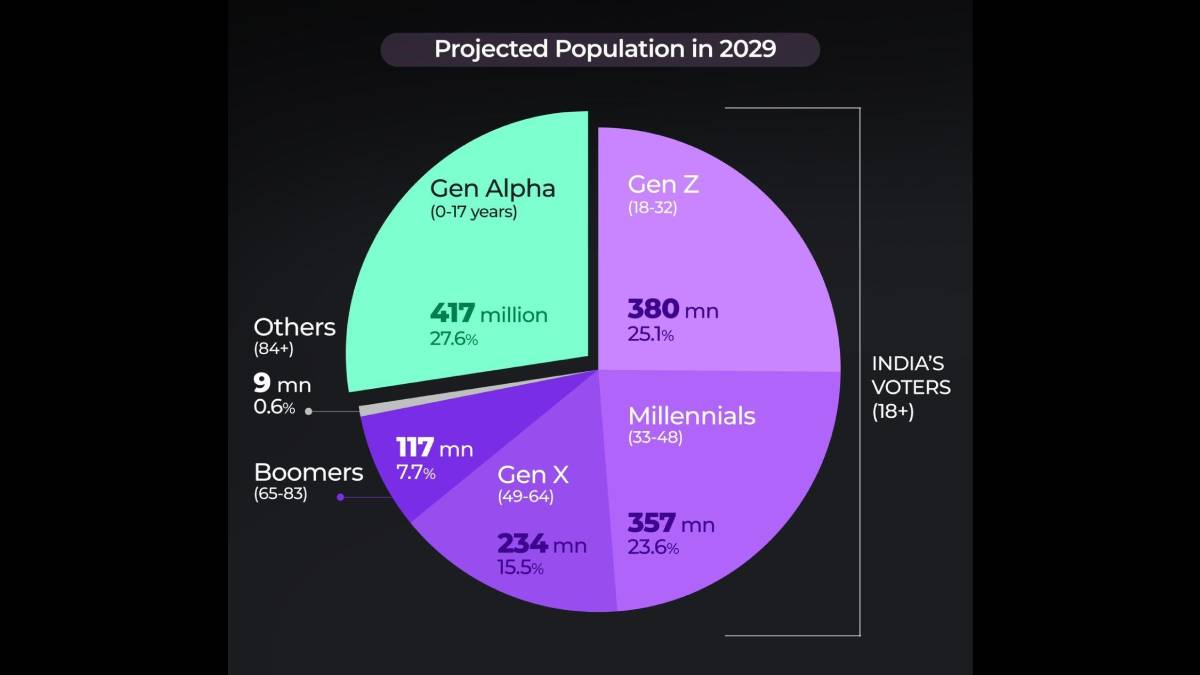
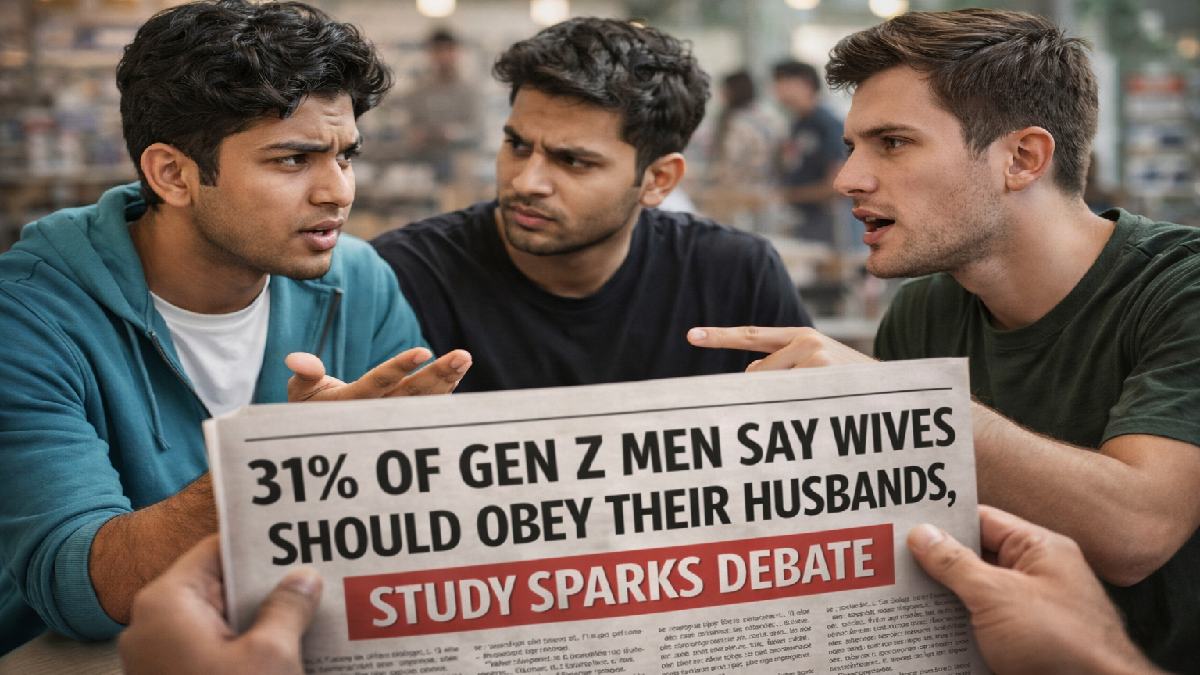
A recent study examining attitudes toward gender roles has sparked widespread debate after revealing that 31% of Gen Z men believe wives should obey their husbands. The findings have raised concerns among social experts and gender equality advocates, who say the results highlight persistent traditional views about marriage and relationships among younger generations.
The study surveyed thousands of participants from Generation Z generally defined as individuals born between the late 1990s and early 2010s to understand their perspectives on relationships, gender roles, and family dynamics.
Key Findings of the Study
According to the research, nearly one-third of male respondents from Gen Z agreed with the statement that wives should obey their husbands. The result surprised many observers, as younger generations are often perceived to hold more progressive views on gender equality.
Researchers say the findings suggest that traditional beliefs about marital authority still influence some young people despite growing conversations around equality and shared responsibilities in relationships.
At the same time, the study also found that a majority of respondents did not support the idea, indicating that attitudes toward gender roles remain diverse within the generation.

Experts Weigh In
Sociologists and gender studies experts say the results may reflect a combination of cultural influences, social media trends, and changing definitions of masculinity and relationships.
Some analysts argue that the findings could also be linked to broader online debates about gender roles, where certain communities promote more traditional views of marriage.
Others caution that survey responses may vary depending on how questions are framed and interpreted by participants.
Social Media Reaction
The study quickly gained attention on social media, with users expressing mixed reactions. Some people criticized the findings, arguing that such attitudes contradict decades of progress toward gender equality.
Others said the results highlight the need for stronger conversations about mutual respect, partnership, and equality in modern relationships.
The debate has also drawn attention to how younger generations are shaping discussions around marriage, family structures, and personal values.
Ongoing Conversation About Gender Roles
The findings come at a time when societies around the world are reassessing traditional expectations within marriages and partnerships. Many couples today emphasize shared responsibilities, financial independence, and equal decision-making in relationships.
However, experts say attitudes toward gender roles often evolve gradually and may differ widely depending on cultural background, upbringing, and personal experiences.
Why the Study Matters
Researchers say the purpose of the study is not to judge participants but to better understand how younger generations think about relationships and social roles.
By highlighting differing perspectives within Gen Z, the research aims to encourage discussion about equality, respect, and modern partnership dynamics.
As conversations about gender roles continue to evolve, the study has become a focal point for broader discussions about how cultural values and expectations are shaping the next generation’s views on marriage.