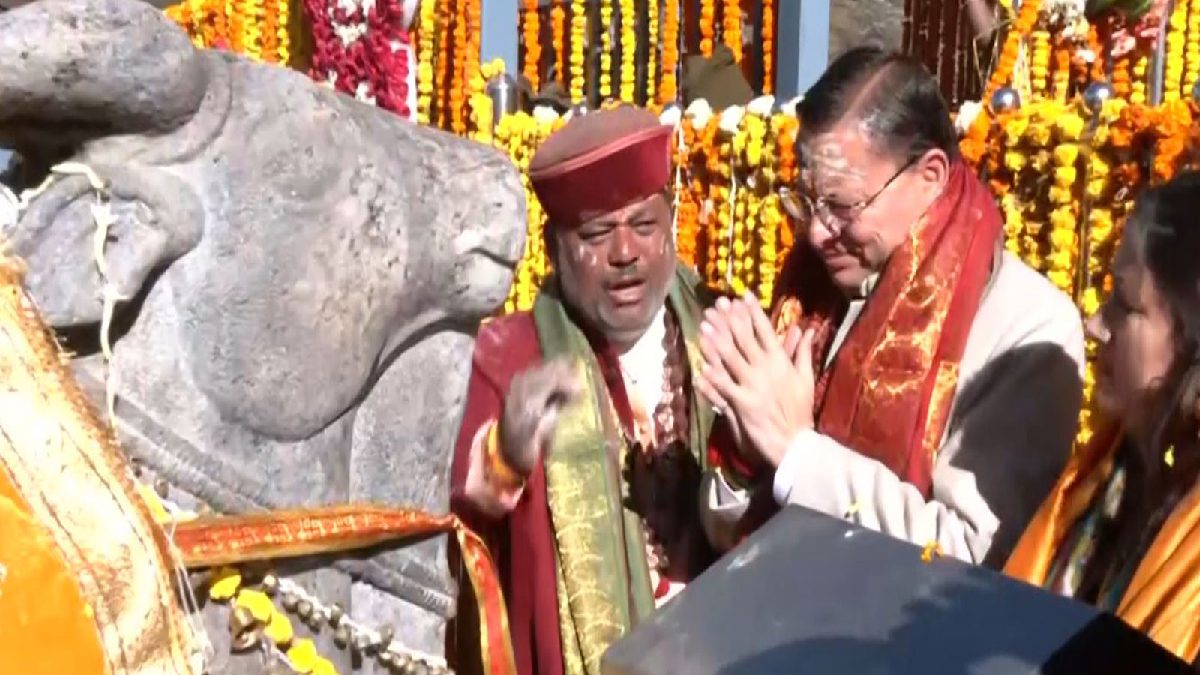
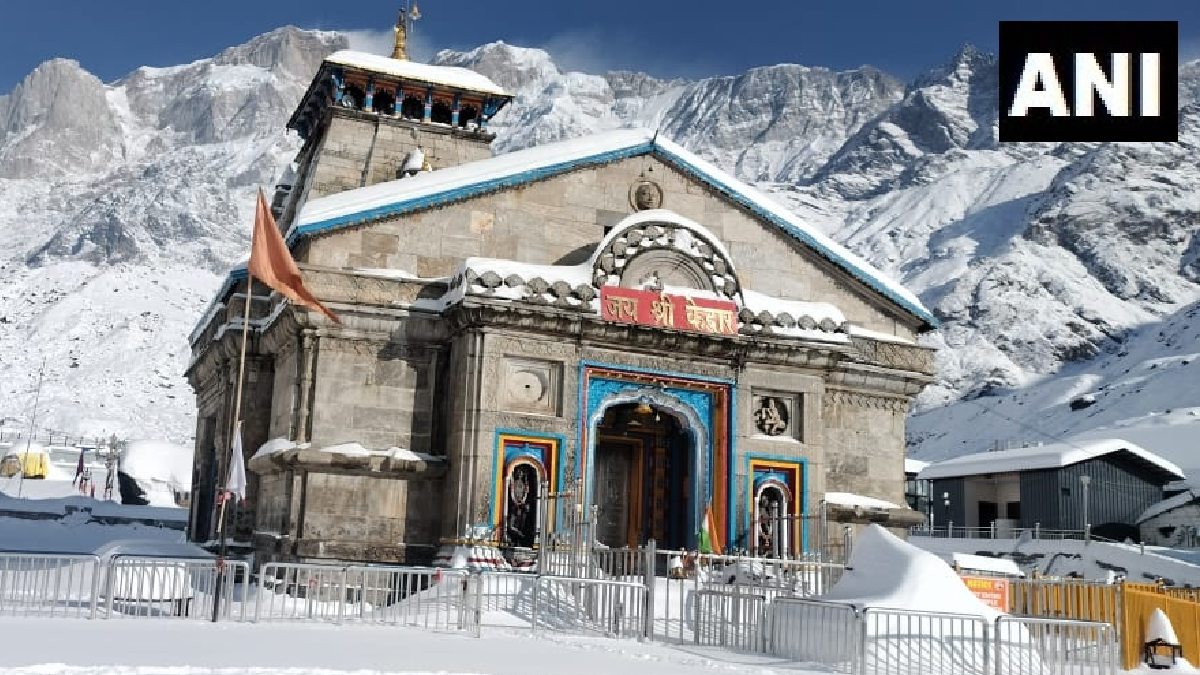
Kedarnath is one of India’s holiest pilgrimage sites in the Himalayas and a bastion of Hindu spiritual life. The Indian state of Uttarakhand lies at an altitude of 3,583 meters (11,755 feet), where the religious significance fits the difficult conditions of the ground. Among the international visitors they need to be welcomed warmly upon arrival when they take a well-considered visit and take note.
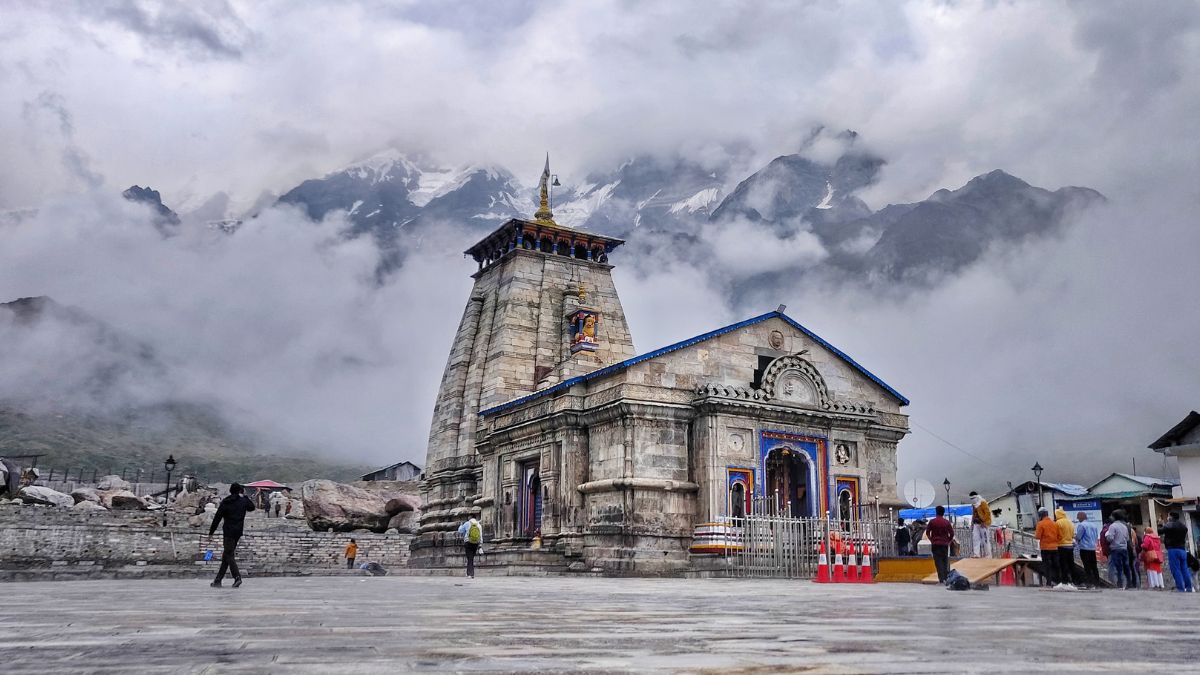
On the Spiritual & Historical Level. Kedarnath is regarded as a place of worship as one of the twelve Jyotirlingas, the supreme forms of Lord Shiva, revered as the divine consciousness which exists eternally as perpetual illumination. After the horrific battle of the Mahabharata, the Pandavas, the religious orders of Hinduism, prayed for the forgiveness of Lord Shiva, whose wounds and destruction had been inflicted by the war. Shiva turned around and did not face them, and took the form of a bull, disappeared into the earth of the mountains. The hump of the bull grew at Kedarnath with the bit forming and left the rest visible on neighboring ground to create Panch Kedar temples. The modern stone temple is said to have been founded by Adi Shankaracharya in the 8th century CE, the celebrated Indian philosopher who revived a return to Hindu spiritual thought. His samadhi (final resting place) is very near that site, rendering this stone edifice that much more sacred. Kedarnath has for over a millennium been an emblem of faith, spiritual unbreakable hope and man's pursuit of God's ultimate truth.
Best Time to Visit Kedarnath
Kedarnath is a high altitude Himalayas and can only be entered during certain seasons.
Recommended Visiting Periods
May to June (Late spring to Early summer). First time visitors should take advantage of this. The weather is fairly predictable, with daytime temperatures hovering at 10 degrees Celsius through 20 degrees Celsius during the day; hiking routes are open to all and relatively constant.
September to October (Early autumn). Less crowd, with clear views of the mountains and countryside. The heat at night drops off a cliff, so get dressed warmly.

Periods to Avoid
- November to April (Winter). Heavy snow and very cold weather have kept the temple closed. It is a time of special worship at Ukhimath.
- July to August (Monsoon). The lack of travel due to landslides, flooding, road closures and unpredictable weather are among the reasons travelers are strongly discouraged.
Safety Guide & Visitor Checklist for International Travelers:
Essential Travel Documents: Passport and valid Indian visa. Government photo identification. Obligatory Kedarnath Yatra sign-up. High altitude trekking & medical evacuation insurance plan.
Health & Fitness Preparation: It has to be a little bit of physical fitness. Visit a doctor for heart, lung or blood pressure problems. Allow enough time to acclimatise to altitude. Carry medications and prescriptions. Oxygen canisters are advised, especially for older visitors.
Clothing & Equipment: Thermal fabrics and insulated jackets. Waterproof outerwear. Durable trekking shoes with a decent grip. With a woollen cap, gloves and warm socks. Sunglasses and sunblock (there’s a high UV exposure for people living at altitude).
Food & Hydration: Drink plenty of water. Take light vegetarian recipes (very frequent). Keep energy bars or dry fruits or snacks near. Keep away the alcohol and nicotine for the journey.
Transport & Trekking: The final course to Kedarnath is via a 16-kilometre uphill climb. It can come from hiking, ponies, palanquins and licensed helicopter services. Go with only government approved operating personnel. Do not trek at night or in bad weather.
Cultural & Spiritual Etiquette: Dress modestly (shoulders and legs if the dress code indicates so). Photography may be restricted within the temple. The silence and cleanliness shall be encouraged. Alcohol, smoking and littering are strictly banned. Keep Kedarnath as a sacred pilgrimage site, not a tourist destination.
Emergency & Safety Tips
Follow official government advisories. Check daily weather updates. Stay on scheduled routes. Help instantly if you’re sick in local medical camps.
Kedarnath - Kedarnath was an extreme Valley of austerity and grace. To Kedarnath, it is not only a temple, but a spiritual space transformed from hundreds of years of deprivation, submission and godly presences. Sanatana Dharma describes a sacredness not in stone, nor with any structure, but in a consciousness called up and practiced. This eternal quest is a legacy that now passes through Kedarnath and touches every mountain, wind gust and even the silent moment.
The Eternal Gita: The infinite light of Shiva, highest Jyotirlinga. Kedarnath, the highest Jyotirlinga of the twelve beings, here is not the embodiment of Shiva, but the unswerving force of light, not only beyond creation alone, not just outside creation but outside destruction. There the Himalayas, immense and deep, dissolve the ego, silence brings awareness. Shiva never seems far away in Kedarnath — he seems present and in calm, clarity in soul.
The Sacred Land of the Austerity of Vishnu
According to scriptures, Lord Vishnu received severe austerities in the province in order to maintain cosmic order. That's what gives us an amazing insight into Sanatana Dharma--the keeper of the universe even must carry out discipline so as to retain dharma. Kedarnath is a meeting place then for divine energies — between Vishnu’s discipline and Shiva’s abiding presence. Even the ground breathes in moderation, in accountability and divine equilibrium.
The Grace of Shiva and the Freedom of the Ego
His grace is absolute and unconditional to Lord Shiva. He is not aiming for perfection, only sincerity—he is seeking only this kind of sincerity. His most merciful act seems to be not so much an assault of divine favor as the dissolution of the ego—he alone keeps the seeker away from the truth. In Kedarnath, this dissolution occurs seamlessly. The very greatness of nature strips a man of his own personal identity, and all he feels is a hint of a larger spirit. In that still silence the God is made known within— not outside at all.
Pilgrimage as Inner Elevation
Kedarnath is difficult because the trek is intentionally the hardest. Physical hardship takes away distractions, prepares the seeker for change. In Sanatana Dharma, pilgrimage is a process of enlightenment which will ultimately mean realization, not settling to bed to rest and recuperate. We should think of a body of strength here as less a kind of strength than endurance itself. Spiritual transformation, insists Kedarnath, requires labor, surrender, and endurance: qualities that hone the practitioner and prune the heart open for grace.
A timeless spiritual message
Kedarnath, for us all, reminds us that the discipline of a discipline is sacredness. Time and the mind are quiet, and truth will arrive very slowly. “I am Shiva” is what Kedarnath ends up indicating to — not to identification with any particular form of being, but to the attainment of pure consciousness. You can pass up mountains on foot, though the inner ascent endures; directing life right up until the moment of its departure.
Conclusion
Kedarnath is not something that is desired — it is a sense of awakening. These holy fields are living centers of consciousness. They can redeem those who enter with humility. Kedarnath is a blessing of some sort and also more than a temple. It is of upward ascent towards inner ascension; not just kind of journey. And it is beyond memory, there is universal demand that the Divine belong to each person’s soul.