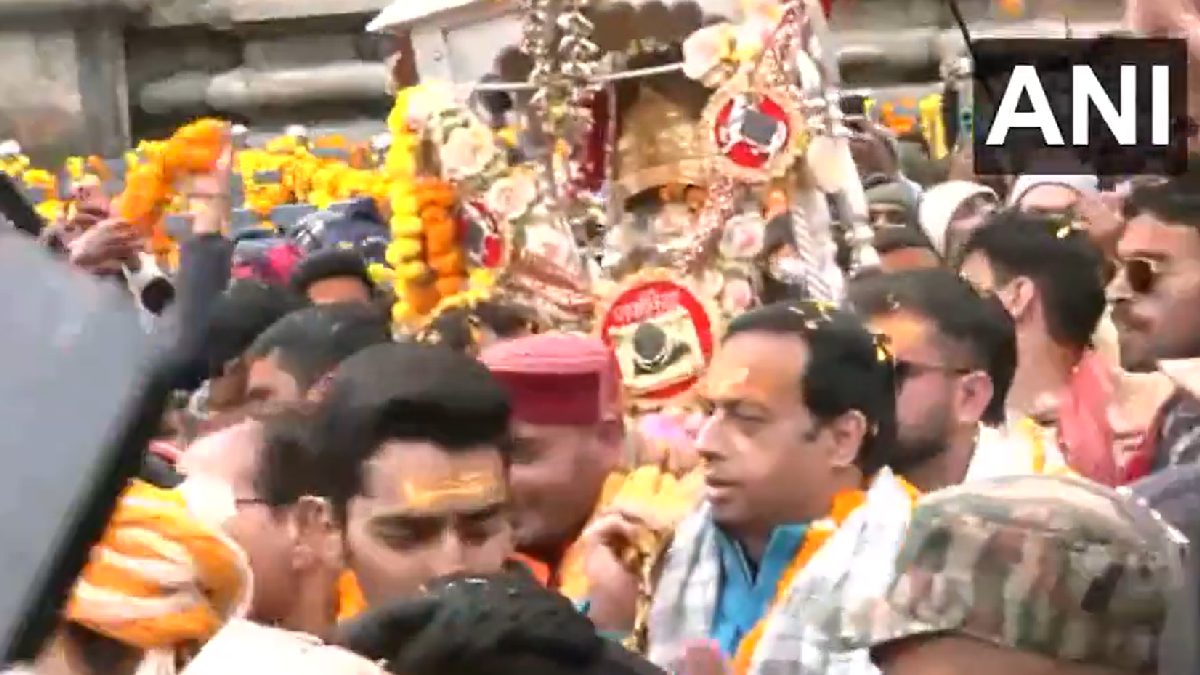
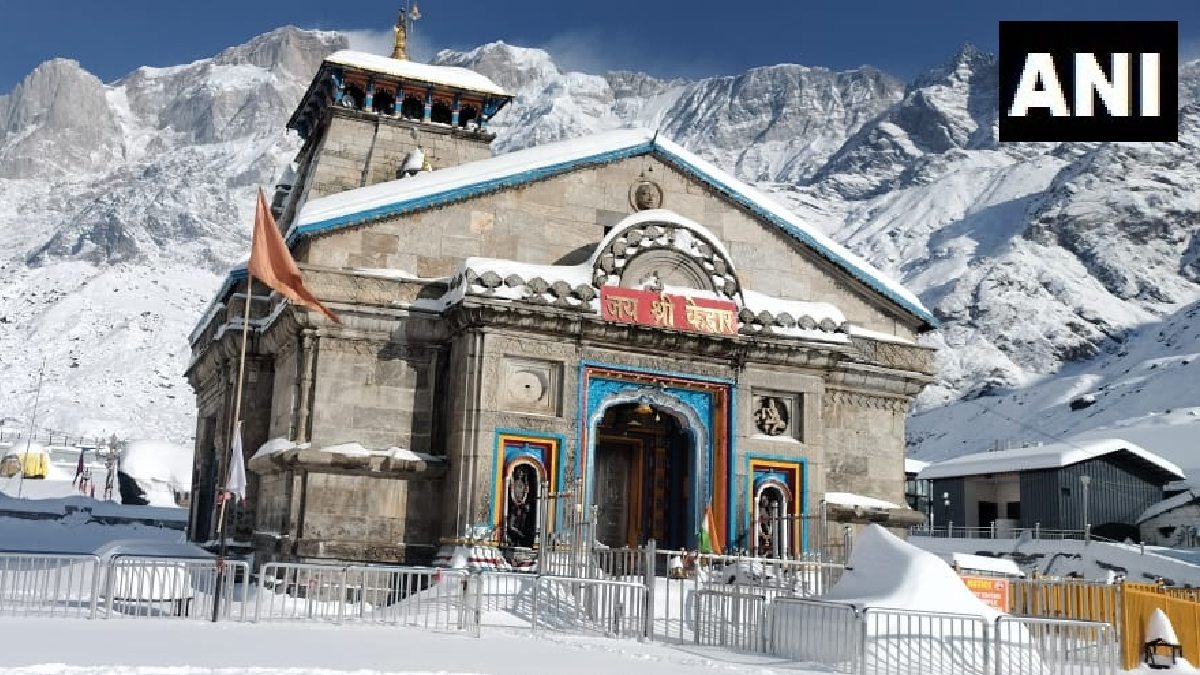
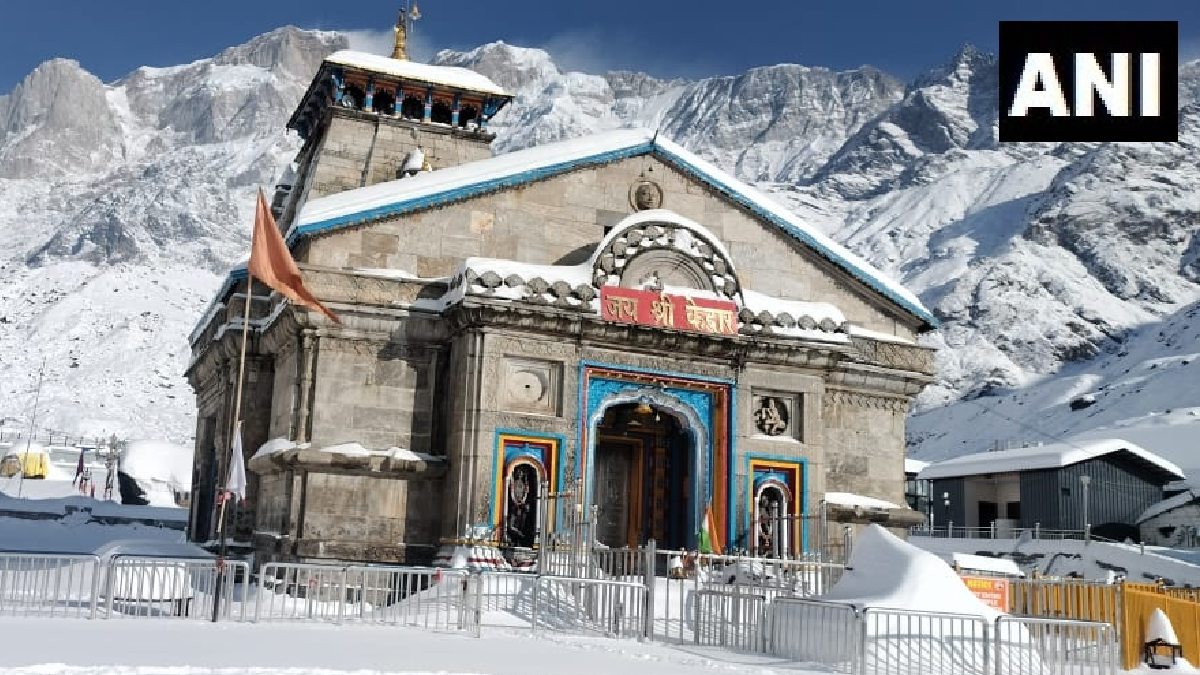
The initiative by the Uttarakhand temple committees to impose a ban on non-Hindus at the Badrinath, Kedarnath, and Gangotri shrines has elicited sharp response from India’s Muslim clergy. Some see the action as a severe blow to communal harmony, while others believe that religious organizations enjoy a sovereign right to determine their own rules of entry.
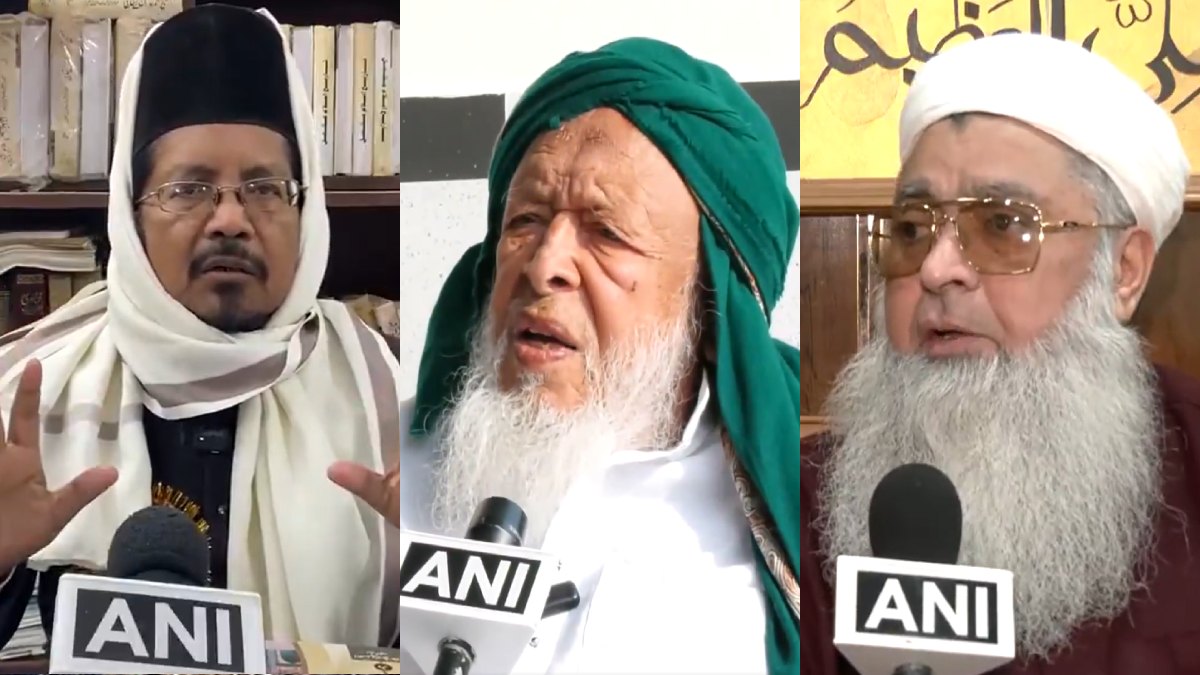
Maulana Shahabuddin Razvi Barelvi
Maulana Shahabuddin Razvi Barelvi, National President of the All India Muslim Jamaat, voiced alarm in Bareilly that he feared "exclusionary signboards" had become prevalent at religious fairs and shrines. He characterized the action as “a strange spectacle,” one led by communal mentality.
“Such moves are breeding grounds to radicalism and provide a platform for the likes of those with the ambition to weaken the nation and destroy a Hindu-Muslim brotherhood,” Razvi said. He warned that targeting Muslims with formal prohibitions against them at sacred places lays down such a precedent of dividing societies, which only feeds right into the hands of those who aim to upset India's social fabric.
#WATCH | Bareilly, UP: On the Gangotri Dham row, National President of All India Muslim Jamaat, Maulana Shahabuddin Razvi Barelvi, says, "A strange spectacle has been created in India by a few people with communal mindsets. Whenever a Hindu festival or fair starts, a signboard is… pic.twitter.com/oOXzQdsV2G
— ANI (@ANI) January 26, 2026
"The Times Have Changed": Maulana Arshad Madani
Maulana Arshad Madani, President of Jamiat Ulama-i-Hind in Saharanpur, described the temple restrictions as part of a far-reaching pattern of disenfranchisement. He suggested it to be that some groups think they have the power to guide people no matter which path they take.
Madani also connected the Uttarakhand question with events taking place in Assam, stating, "Entire colonies in Assam are being demolished, and lakhs of Muslims are told they are Bangladeshi." They believe people can lead the nation the way this country is theirs alone." But, nonetheless, he stressed: The core teaching of Jamiat is love and brotherhood.
#WATCH | Saharanpur, UP | On Non-Hindu prohibited to enter religious sites in Uttarakhand, Jamiat Ulama-I-Hind President Arshad Madani says, "They think that the country is theirs, and they can lead the public in any direction, but the times have changed... It is good that the… pic.twitter.com/jdOWaw2Gqw
— ANI (@ANI) January 26, 2026
“Respect the Rules”: Dr Umer Ahmed Ilyasi
Dr Imam Umer Ahmed Ilyasi, however, the Chief Imam of the All India Imam Organisation in Delhi, was pragmatic and conciliatory. He claimed that every religion has the authority to protect its sanctity through its own laws. Global Precedent: Ilyasi noted that non-Muslims are prohibited from entering Mecca or Medina, an international norm and non-political opinion in most cases.
Avoidance of Conflict:
He advised that Muslims should refrain by doing so from Gangotri and like-location whether they could face friction because it was found in the region. The verdict: “If the temple committee decides non-Hindus can’t enter, nobody needs to object. Religion is important, and politics does not play a part in this,” Ilyasi concluded.
#WATCH | Delhi: On the Gangotri Dham row, Dr Imam Umer Ahmed Ilyasi, Chief Imam, All India Imam Organisation, says, "This is a matter of religion, and religion has its importance... If the temple committee decides non-Hindus can't enter, no one should object. Each place has… pic.twitter.com/hCy5TNoj8Y
— ANI (@ANI) January 26, 2026
The Governance Perspective
The Shri Badrinath-Kedarnath Temple Committee (BKTC) contends that the ban being proposed, which it plans to discuss in a formal board meeting, is solely a question of maintaining “Vedic traditions.” As these shrines are centers of faith, not simply sites of tourism the committee maintains they should be governed with the same kind of spiritual exclusivity that governs other significant global religious centers.