The way young people spend their holidays in India is becoming increasingly a bit different, mountains are the preferred way of escaping from the clutches of cities and demands of daily living. From the Himalayan valleys of Himachal Pradesh and Uttarakhand to the glistening hills of the Northeast and Western Ghats, young Indian travellers are going to the hills to find peace and adventure and to go places that are so different from the city and be alone and have something different from life in the city.
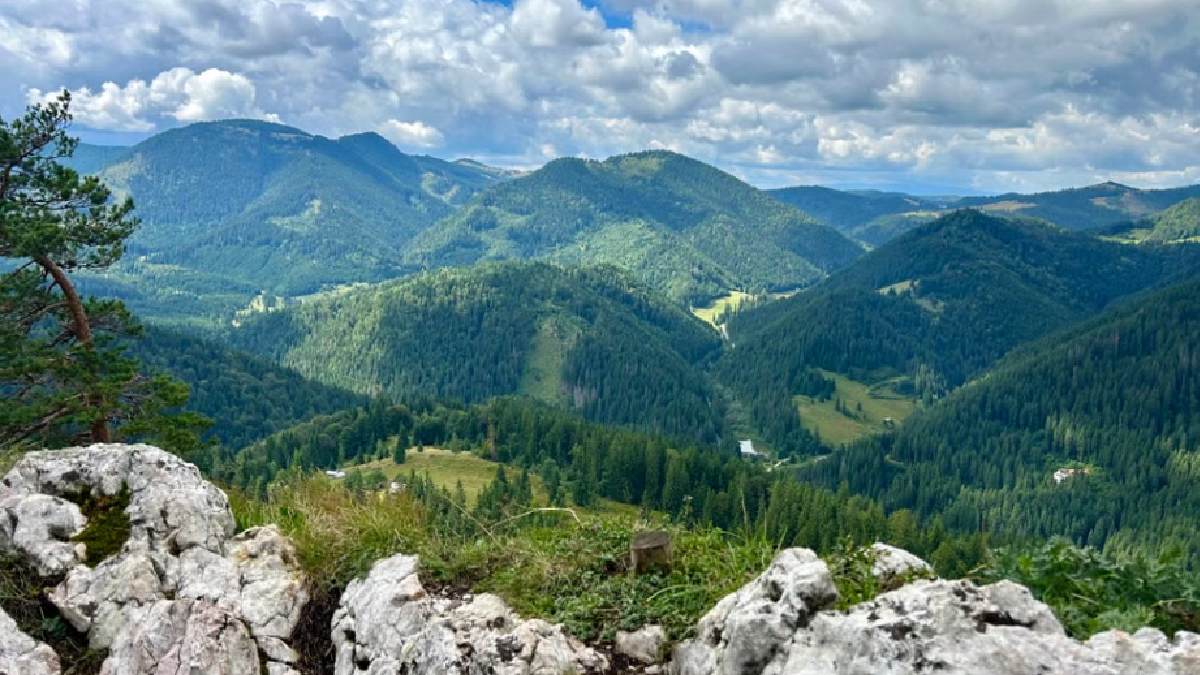
The mountains offer a very special gift for young people used to the work and long drive and constant digital connection of a city: a chance to slow down. A few days in the woods and rivers and open spaces can be a welcome respite from the fast pace of daily life.
Why Young Indians Are Heading to the Hills
One of the main reasons behind the popularity of mountain destinations is the desire for an escape from urban stress. The cities offer work, entertainment and convenience, but they also bring traffic, noise, crowded public spaces and hectic schedules. Hill places are a contrast for travellers so that they can spend time in nature and follow a slower routine.
For many young people, a mountain trip is no longer just about sightseeing. It’s a way to take time off from daily lives, spend time with friends or be alone. Sitting at a hillside café, walking through a forest trail or watching the sunrise is just as important as visiting a tourist attraction.
How is social media affecting travel choices?
Social media has also played a big role in making mountain travel attractive to younger audiences. Snow-covered peaks, winding roads, riverside camps, cafés and peaceful villages are regularly posted on Instagram and YouTube.
Travel creators have also popularised lesser-known hill destinations through itineraries, accommodation suggestions and road-trip experiences. Young travellers are more and more looking for off-the-beaten-path locations to experience unique things and photo-friendly places.
Social media popularity, however, can pose challenges. A destination that suddenly becomes popular online can have an explosion of people, traffic and pressure on local resources. Responsible tourism is especially important as more young people discover these locations.
Adventure is another Major Attraction.
Mountains offer a variety of activities that are very appealing to younger travellers. Trekking, camping, paragliding, river rafting, mountain biking and hiking can turn a holiday into a journey and not just a trip to look at things.
For some travellers, the accomplishment of completing a hard hike or exploring a remote trail is something of an achievement. Adventure tourism also gives young people more time outdoors and a more active take on the world.
Destinations across Himachal Pradesh, Uttarakhand, Jammu and Kashmir, Sikkim and the Northeast have become popular among those who like to be surrounded by sights and places for outdoor activities.
The Rise of Workations
There are other drivers of mountain tourism where flexible working arrangements are becoming more popular. Young professionals who can work remotely can spend several days in a mountain location while continuing their professional responsibilities.
That has led to the rise of the “workation” concept where work and travel are integrated. With reliable internet connectivity, cafés, homestays and co-working facilities in place, some mountain destinations have become more suitable for longer stays.
Instead of a weekend holiday where one would have to work in a beautiful place and then explore during their free time, some people are choosing to work from a scenic location.
Affordable travel makes mountains more accessible
Budget accommodation and transportation options are now available to mountain travellers too. Hostels, homestays, guesthouses and budget hotels provide young travellers with alternatives to pricey resorts.
Road trips have also become a popular choice, especially among groups of friends. Travellers can split transportation and accommodation costs and be more flexible in choosing stops along the route.
Online travel platforms have also simplified the comparison of accommodation, transportation and activities for travel, allowing travellers to plan trips according to their budgets.
A Search for Peace and Mental Space
The reasons why young people love the mountains go beyond adventure and social media; there is a simpler reason: peace.
Young Indians spend much of their lives surrounded by screens, notifications, meetings and deadlines. A mountain environment offers a chance to step away from that routine temporarily. Nature walks, quiet mornings and open landscapes make a short trip feel very different from city life.
For some, the appeal lies in travelling with friends, while others are more likely to go on solo mountain hikes. Travelling alone allows people to set their own schedules and explore at their preferred pace.
Responsible Tourism Becomes Important
With mountain tourism growing in popularity also comes responsibilities. Fragile mountain ecosystems can be affected by excessive tourism, plastic waste, traffic and unplanned construction.
Young travellers can contribute positively by avoiding single-use plastic, carrying waste back when appropriate, respecting local communities and choosing locally owned accommodation and businesses. Travellers should also follow local rules, particularly when visiting protected areas or undertaking adventure activities.
Mountains Are Now More than Holiday Destinations
It’s a shift in travel preferences for young Indians that hill destinations are becoming more attractive. Mountains are increasingly considered places for adventure, relaxation, creativity, social connection and personal escape.
Whether it is a weekend road trip, a solo trek, a workation, or a long stay in a remote village, young Indians are finding different reasons to head towards the hills. Mountains are likely to remain an important part of India’s evolving travel culture.
For a generation searching for experiences beyond the crowded city environment, the appeal is clear: sometimes the best way to recharge is simply to leave the metro behind and head towards the mountains.