Munnar is looking different this September. Much of the hill town and surrounding high-altitude grasslands are turning shades of blue and violet as the rare Neelakurinji flower begins to bloom.
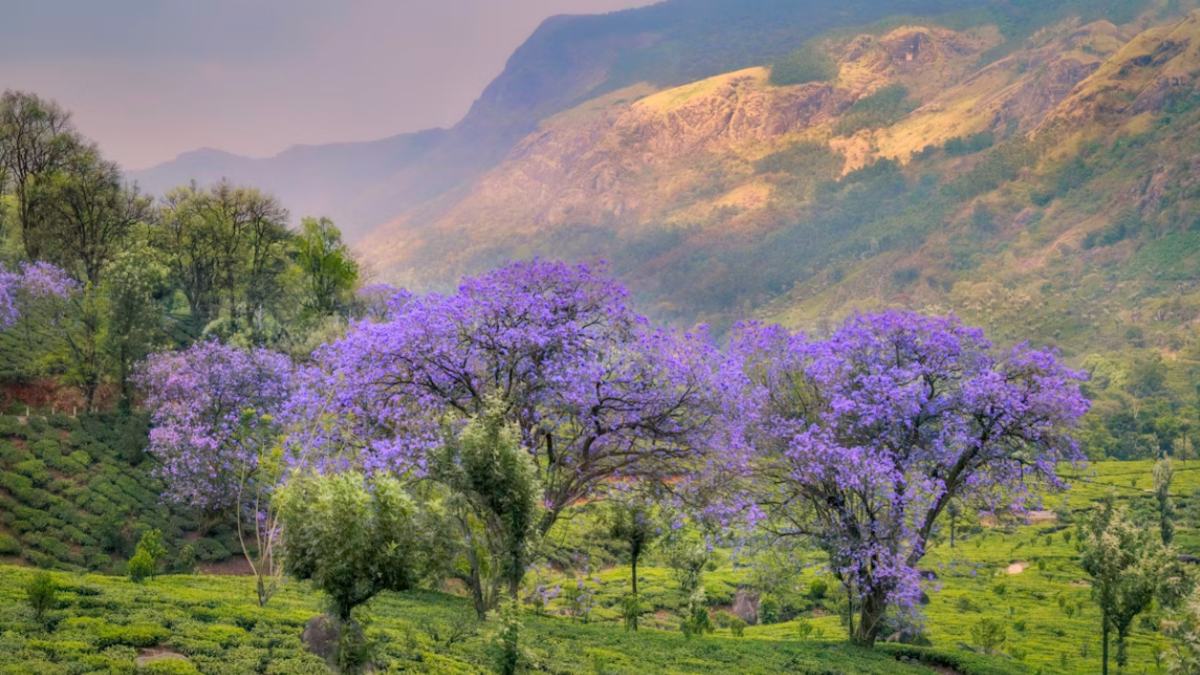
The flower, scientifically called Strobilanthes kunthiana, is one of the most famous natural sights of the Western Ghats. It flowers approximately once every 12 years and transforms large portions of hills when it blooms. In September 2026, flowering has been reported around Chokramudi and the Mattupetty-Korandakkad hills near Munnar.
For travellers, this makes Munnar a good platform to experience the phenomenon. There is also a key factor to note in the current bloom. The present bloom is not the main Neelakurinji flowering of Eravikulam National Park. The population last had its big bloom in 2018 and is forecast to bloom again around 2030. Different populations of the plant flower in different stages.
Where To See Neelakurinji Around Munnar
The Chokramudi and Mattupetty-Korandakkad areas are among the places where the 2026 bloom can be seen. The flowering season will continue through September, but the timing and intensity can differ from one location to another.
So you can’t just assume the flowers are everywhere in Munnar. So it’s better to go out and look at the local information and plan the trip around the flowering areas that are currently available.
Chokramudi is also significant because its Neelakurinji population last flowered in 2014. That makes 2026 its expected 12-year flowering cycle. The hills around that area have been preparing for the return of the purple bloom for many years.
The plant itself has a fascinating life cycle. Neelakurinji is monocarpic; that is, it flowers only once, yields seeds, and dies. Large numbers of plants can flower together to form the striking blue-violet landscape that attracts people from all over the country.
Nilgiri is also associated with the blue color of the hills in large-scale flowering. In addition to the cultural significance of the phenomenon, as we mentioned earlier in the book, hill communities have historically used blooms as reminders of time and important events.
A Beautiful Sight That Needs Protection
The Neelakurinji bloom may seem like a call to explore all corners of the hills, but travellers need to be careful. These flowers grow in fragile high-altitude grassland ecosystems under siege from tourism, construction, land use changes and other disturbances.
Visitors should follow designated paths and not walk through flowering areas. Picking flowers or uprooting plants will cause the population to suffer and decrease the likelihood of healthy regeneration.
The current bloom also demonstrates why travellers should be looking for updated information rather than old Munnar itineraries. The most famous Neelakurinji season associated with Eravikulam National Park is still expected around 2030, while the 2026 spectacle is happening in different parts of the Western Ghats.
Munnar is accessible by road from Kochi, and Cochin International Airport is the nearest airport. Tourists who wish to see flowers should spend at least two days in the hills and have enough time to visit the hills, depending on weather and local access.
If you’re going to see Neelakurinji in 2026, then it has to happen at the right time. The bloom is seasonal and doesn’t last forever. So there’s a chance Munnar has been on your travel list for a long time, and September could be a good time to go there. Just keep in mind to enjoy the purple hills without disturbing the plants that make the spectacle.