The Tamil Nadu government has advised Sabarimala pilgrims to halt their pilgrimage until the weather in Kerala is under control. In this context of increasing risks related to landslides, widespread urban and rural flooding (and transportation headaches for traditional pilgrims) on traditional pilgrimage routes leading to the holy hill shrine, devotees should be very cautious and should not go anywhere until the weather is under control. There is a constant monsoon rain that has affected daily life in several parts of Kerala and the India Meteorological Department is on high alert to make sure citizens don't go to places it doesn't want them to go to.
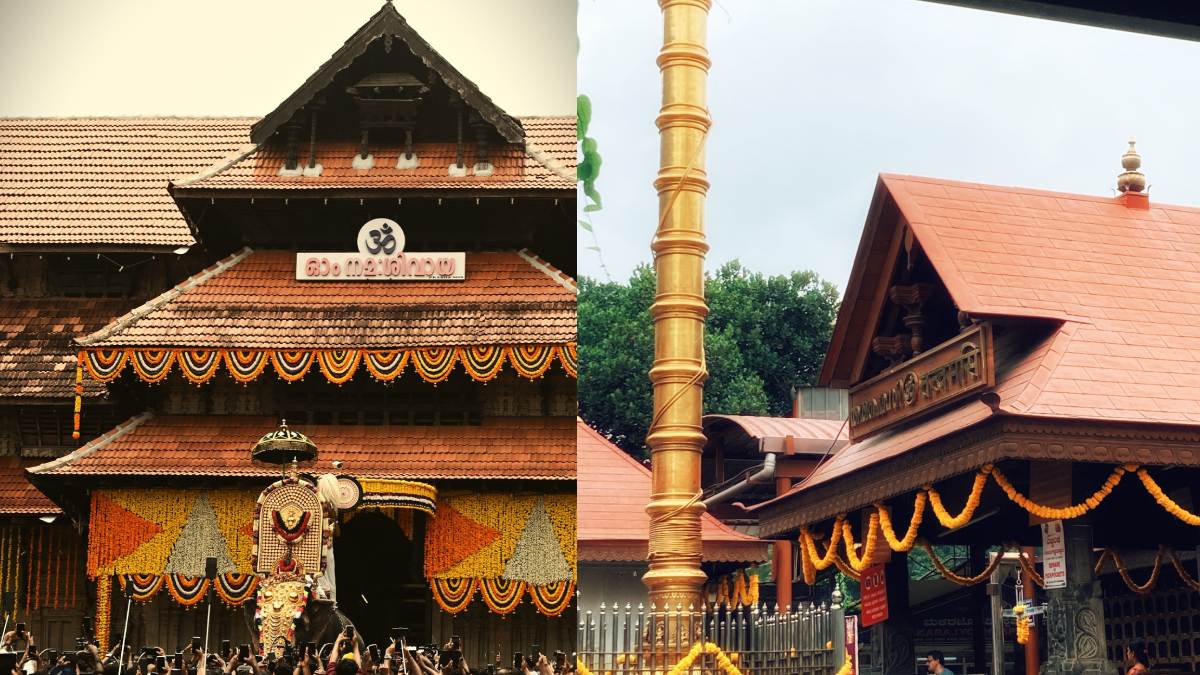
Due to heavy rainfall, there is a strong threat of landslides in the Pamba area, which is the base camp of all those who are going to the temple. The disaster is very serious and devotees in Kerala and the neighboring states that have decided to undertake the long trek to Sabarimala should definitely change their routes now that the weather is not good. Pilgrims from Tamil Nadu are advised to be on top of the weather bulletins and follow the safety advice issued by the Government of Kerala and local disaster management departments before traveling, and the advisory is a precautionary measure to save the common people.
The Sabarimala pilgrimage is one of the largest annual events in the world and millions of people come every year to visit the revered Shri Ayyappa Swamy temple here. Set in the thick forests of the Periyar Tiger Reserve in Kerala’s Pathanamthitta district, the temple is dedicated to the Hindu god that is worshipped in India. Unlike year-round religious places, the holy temple has a very specific seasonal schedule and is full of attention and worship in its two main seasons, the Mandala Kaalam (41 days of fasting and pilgrimage from mid-November to late December) and Makaravilakku Festival (14 January). Besides the two major festivals, the shrine only opens briefly once in the first five days of every Malayalam month of the year and for short celebration with the big regional festivals such as Vishu in April.