Travel does not even have to be waking up at 5 a.m., going to a landmark before the crowds arrive and then trying to manage to get an itinerary up later on. New travel trends called tiny tourism are inspiring people to take a much more relaxed approach to traveling around the world.
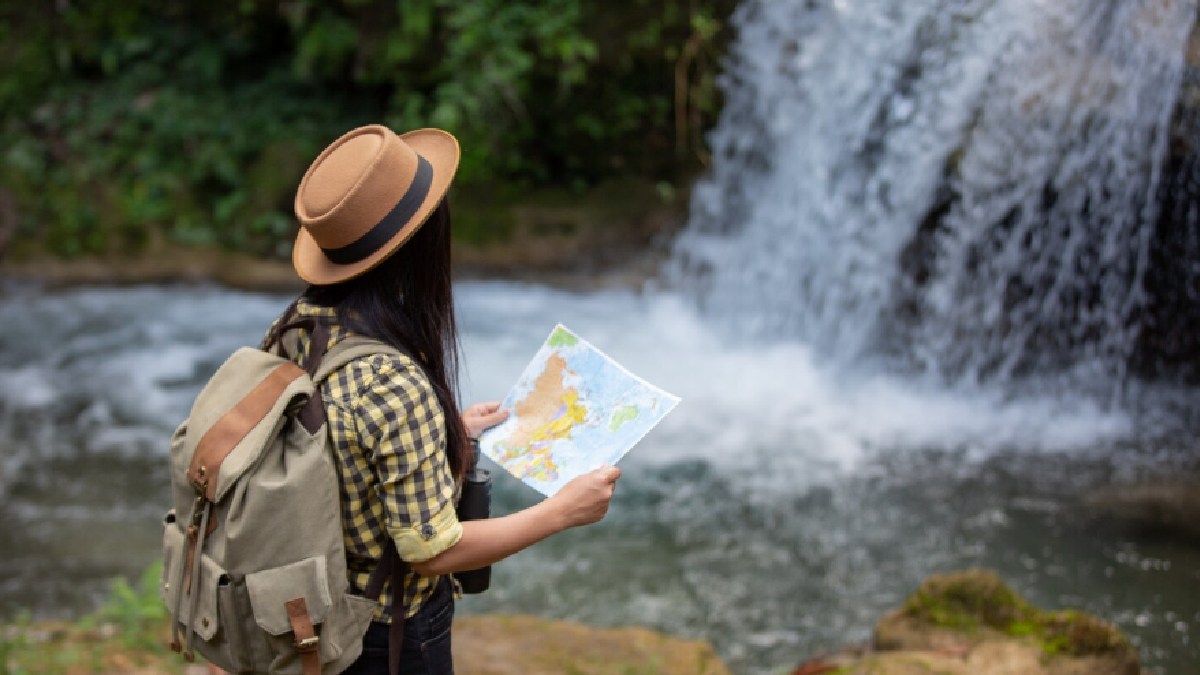
The idea is simple: rather than making the most important tourist attractions the focus of every holiday, travellers are interested in the little things that happen around them. And a quiet street, an independent coffee shop, a local market, an unusual shop, a chat or a random food discovery can be as much key as a famous monument.
Tiny tourism is particularly tempting when travellers are now surrounded by a lot of highly curated holiday stuff online. Instagram, TikTok and travel blogs have made it easy than ever to find destinations but there is also a problem. Travel can be so repetitive if everyone is following the same recommendations.
From Famous Attractions To Forgotten Corners.
Traditional tourism is often a checklist. See the landmark, photograph the monument, eat at the famous restaurant, visit the museum and move on to the next destination. While there’s nothing wrong with visiting the world’s most famous sights, tiny tourism suggests that travellers should leave some room for the unexpected.
Imagine visiting Rome and walking around a residential neighbourhood in the afternoon instead of going to one historic site after another. You might eat at a small trattoria, not the most popular restaurant because it is bustling with local people. You could also spend an hour shopping at one of Japan’s small convenience stores or visiting a neighbourhood arcade in Tokyo. A quick stop for chai or a chat with a shopkeeper in India might be the most memorable moment of the journey.
These are not on paper great experiences. That is precisely what makes them special.
Why Small Experiences Feel More Personal?
In fact, major attractions are shared by millions of travellers. A picture of a great monument can look like thousands of photographs taken before it. Tiny experiences are shaped by individual circumstances.
You may find a bakery if you took the wrong turn. You may discover a beautiful street as your train was delayed. You may hear a local musician as you walk through a market. You may discover a family-run restaurant you don’t know about on any major travel platform.
Those moments cannot be planned or reproduced easily. They are stories and not just photographs.
The fact that tiny tourism is so intrinsically related to slower and more meaningful travel is one of the reasons that it fits right into the rising interest in slower and more meaningful travel. So instead of being constantly asking, “What’s next?” travellers can concentrate on what’s happening right now.
Gen Z and the search for Authentic Travel
It mirrors changing attitudes among younger travellers. Gen Z has grown up with social media and places can quickly go viral. A café, beach, viewpoint or street can suddenly attract huge crowds because it’s in short form videos all the time.
That visibility can be useful, but can also take away some of the spontaneity of discovery of somewhere new.
Tiny tourism is an alternative. The goal is not necessarily to find the most photogenic place or to reproduce somebody else’s viral travel video. But to look for experiences that feel real and personal for travellers.
A small restaurant with five tables might be more memorable than a highly rated tourist destination. A local market might better understand a city’s life than a polished attraction. Even sitting in a public square and observing the rhythm of a neighbourhood can give you a feeling that is more connected to the destination.
The Tiny Tourism Mindset
Tiny tourism does not require travellers to abandon their plans completely. Rather, it encourages flexibility.
If I want to try it out on my future career, then I will leave one part of the itinerary empty. If I don’t schedule every hour and leave by 3:00 p.m., then I will go to some place in the city and not go to any specific place.
Another way is to resort to the everyday to travel as travel experiences. Enter a grocery store and see local snacks. Visit a neighbourhood book shop. Stop at a bakery that looks really good. Use public transport and not a tourist shuttle. For every resident to visit a market to buy the daily business needs of those who live there.
Travellers may also ask locals to recommend. Rather than go for the city’s most famous attraction, ask where they would go for breakfast, where they buy snacks or where they spend a quiet Sunday afternoon.
Put The Phone Away For A While.
One of the most important aspects of tiny tourism may be stepping away from the pressure to document everything.
Travellers often need to take pictures of every meal, document every place and write about every discovery that they find. Tiny tourism is a new way to do that. Some things are just memories.
A ten-minute conversation with a stranger, the smell of fresh bread from a neighbourhood bakery or the sound of a busy market may never become an Instagram post. They can still be the things you remember most.
Why tiny tourism could be the future of tourism.
And tiny tourism is popular because it speaks to a broader change of the way people think about holidays. Travel can’t simply be seen as a point of exit to destinations that are collected, but as an opportunity to experience different places at a slower pace.
The trend is not to say that travellers must stop visiting the famous ones. It is to say that those spaces between those landmarks need attention, too.
The best travel memory for you is not the big tour, the expensive hotel or the attraction that got millions of views online. It could be the small café that you walked into to avoid the rain, the wrong train that took you somewhere you never knew (and one in the road where you had a delicious cup of tea).
That is what makes tiny tourism such an attractive experience. It turns travel from being a race to see everything into a request to stop and observe something. And sometimes the smallest discovery itself becomes the biggest memory of a whole trip.