Uzbekistan has announced a new 30-day visa-free regime for Indian citizens, a significant step forward in promoting travel and people-to-people relations between India and the Central Asian country. Modi went to Uzbekistan on his two-day visit to Uzbekistan on Thursday and Uzbek President Shavkat Mirziyoyev hailed the initiative as a step towards a better and more positive relationship with India and tourism and business.
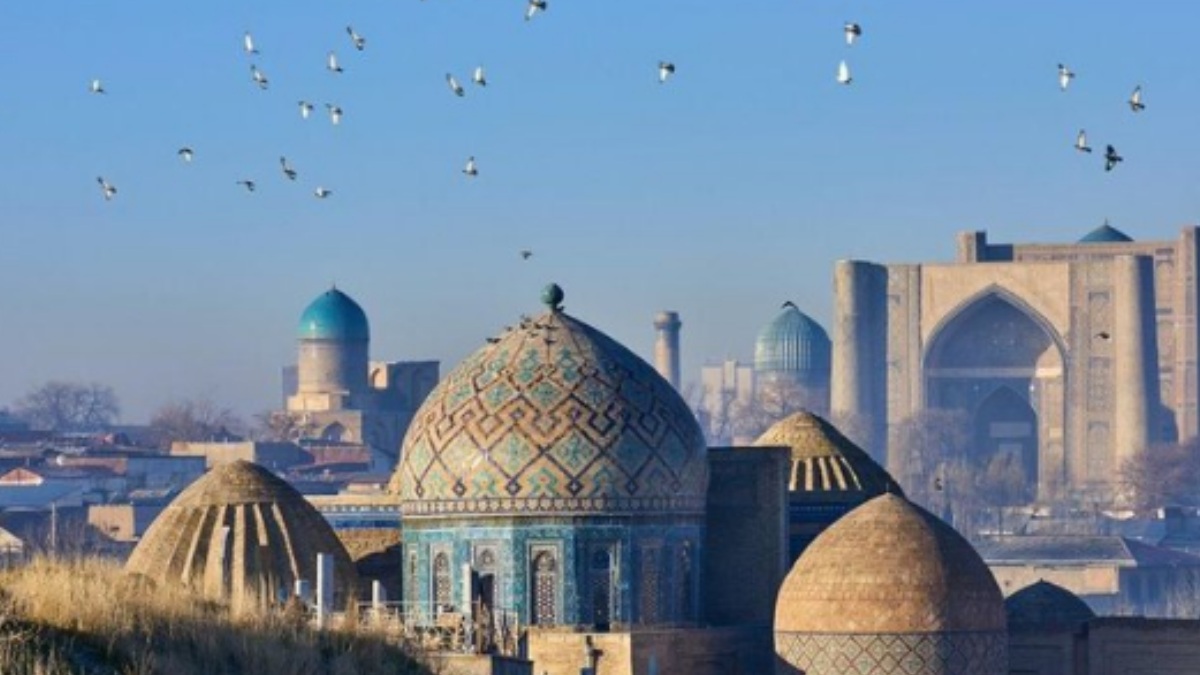
The decision will make travel to Uzbekistan much easier for Indian passport holders. With the elimination of visa for staying for up to 30 days in the new arrangement, the country could become a more attractive destination for Indian tourists looking to explore Central Asia. Uzbekistan is a place where history is written in a history-rich and modern culture is still alive -- old Silk Road architecture and traditional crafts is still present and well known.
The visa-free announcement also comes as a significant moment in India-Uzbekistan relationship. Prime Minister Modi's visit has been about strengthening cooperation in trade and investment, digital connection, defence, energy and mineral resources (especially trade and investment, and digital connectivity) as well as critical minerals, he said. The two countries are also interested in deepening cultural and educational ties and hence the new travel policy is more than tourism and it is not only tourism.
As for Indian travellers, the 30-day facility could make it easier to plan longer holidays without the additional preparation of a tourist visa. Travellers may be able to visit more than one destination on a short trip rather than a short one. Tashkent, Samarkand, Bukhara and Khiva are some of the destinations of cultural importance in Uzbekistan and the country’s history and Silk Road.
The policy could also enhance tourism-related business opportunities in both countries. More Indian tourists would create opportunities for airlines, hotels, tour operators, restaurants, guides and other travel companies. At the same time, the greater movement will help to enhance the understanding of each other’s cultures and create new opportunities for cooperation.
Business travel is another area that could benefit from easier entry. India and Uzbekistan are now working together to build economic and investment ties, and recent discussions have involved mining and geological resources and critical minerals. Travel is easier for business representatives, entrepreneurs and investors to meet, partner and develop commercial relationships.
Uzbekistan has already made visa-free entry available for the country’s citizens and international visitors. The Uzbek government declares, visa-free stays begin when an eligible foreign citizen enters the country’s state border and that the traveller is to leave when the period is over.
But Indian travellers should still consider the latest official entry requirements before booking travel. Visa policies might be in terms of passport validity, visitors’ travel rights, allowed activities, stay length and date. Travellers should check with the latest information from Uzbekistan’s official authorities and Indian government sources before they leave the country.
The cultural aspect of the announcement is particularly important. India and Uzbekistan have long historical memories that span centuries, from trade, scholarship, culture. Uzbekistan's cities were important nodes along the Silk Road— a network connecting various parts of Asia and facilitating people, ideas, goods and cultural traditions.
The increasing number of Indian travellers may also strengthen these connections in a modern context. Tourism provides people with the opportunity to experience another country’s history and culture. Educational and business exchanges can also be exchanged for longer-term relationship.
The new visa-free policy is therefore more than a travel convenience. It is one step in India and Uzbekistan’s attempt to make their relationship stronger by moving and moving together more. With tourism, trade, education and cultural cooperation all under increasing attention, easier travel might bring people and business closer together.
The announcement makes Uzbekistan a more accessible destination for Indian tourists who are travelling to Central Asia for a holiday. The details of implementation of the visa-free policy will be kept in mind for travellers to know when and under which conditions the visa-free facility will take place. It will also bring the number of Indian tourists to Uzbekistan to record and improve the India-Uzbekistan cooperation. When Prime Minister Narendra Modi visited Uzbekistan, Uzbek President Shavkat Mirziyoyev pointed out the process to build a better tourism and business relations between India and Uzbekistan and to increase the number of people visiting or working in Uzbekistan.
Now that Indian citizens holding passports can be transferred to Uzbekistan, international students and tourists will find travel to Uzbekistan easier to do with the new scheme which will make it even easier for them to visit and travel to Uzbekistan. If we go there with the new visa for stays for up to 30 days with no visa, the country will not only be more affordable for Indian tourists but also better for them to explore Central Asia. Uzbekistan is also home to centuries-old cities, historic cities and architecture of Islamic architecture and Silk Road culture, traditional crafts and culture and traditions as well as crafts and culture and it's a very good place to go and visit.
The visa-free announcement also comes at an important moment in India-Uzbekistan relations. Prime Minister Modi is visiting to strengthen cooperation in trade and investment, digital connectivity, defence, energy and critical minerals. And the two countries are also looking to develop cultural and educational ties, which makes the new travel policy more than tourism.
For Indian travellers, the 30-day facility could help to plan longer holidays without having to go through the processes of a traditional tourist visa. Travellers may be able to visit more than one place in one trip instead of just one place. With a lot to see that’s so. Tashkent, Samarkand, Bukhara and Khiva are among the popular cultural destinations in Uzbekistan where one can visit the country’s historic architecture and Silk Road heritage.
The policy may also help tourism businesses in both countries. Increasing the number of Indian tourists might help airlines, hotels, tour operators, restaurants, guides and other small businesses from India in the travel industry. More traveling between the two countries might also help them to understand each other’s cultures and open new routes for cooperation.
Business travel is another area that could benefit from easier entry. India and Uzbekistan are working to develop economic and investment ties, and recent talks include cooperation in mining, geological resources and critical minerals. Easy travel makes meetings more convenient for business representatives, entrepreneurs and investors to visit, invest in and work with each other in a business, to find a long-term solution in the market. The announcement also represents the development plans in Uzbekistan to make the country more accessible to international visitors.
The country’s official visa data already lists a number of countries whose citizens are granted visa-free entry for certain periods. Uzbek government officials say visa-free stays begin when an eligible foreign citizen crosses the country’s state border and that visitors must leave when the period ends.
But Indian travellers need to check the latest official entry requirements before making travel arrangements. Visa policies may include passport validity, allowed activities, length of stay and implementation dates. Travellers should take into account Uzbekistan's official authorities and relevant Indian government sources before leaving the country.
The cultural aspect of the announcement is especially relevant. India and Uzbekistan have a long history of ties dating back centuries, linked via trade, scholarship and culture. Uzbekistan’s cities were at the centre of the Silk Road: a network that connected different regions in Asia and facilitated the movement of people, ideas, goods and cultural traditions.
In fact, the growing number of Indian travellers may strengthen these connections in a modern context. Tourism offers an opportunity for people to see and experience another country’s history and culture, and educational and business exchanges can be part of the basis of long-term relationships.
The new visa-free regime is indeed more than a travel convenience. It is also just one step in the move of India and Uzbekistan to make their relationship more dynamic and more international. With tourism, trade, education and cultural cooperation all being more and more closely connected, easier travel would bring people and businesses closer together in the two countries.
🚨 Uzbekistan introduces a 30-day visa-free regime for Indian citizens. pic.twitter.com/twMmKw7EtG
— Indian Tech & Infra (@IndianTechGuide) August 31, 2026
When it comes to Indian tourists in Central Asia, the announcement makes Uzbekistan even more accessible. As implementation details become more clear, travellers will be looking to the government for a firm announcement on the start date and conditions of the 30-day visa-free facility. The policy could help to get more Indian visitors into Uzbekistan and develop a partnership in the larger India-Uzbekistan region.