Wellness travel is transforming as it is no longer only about spa treatments and meditation sessions but yoga retreats and everything in between to enable people to reset and be a little bit of themselves.
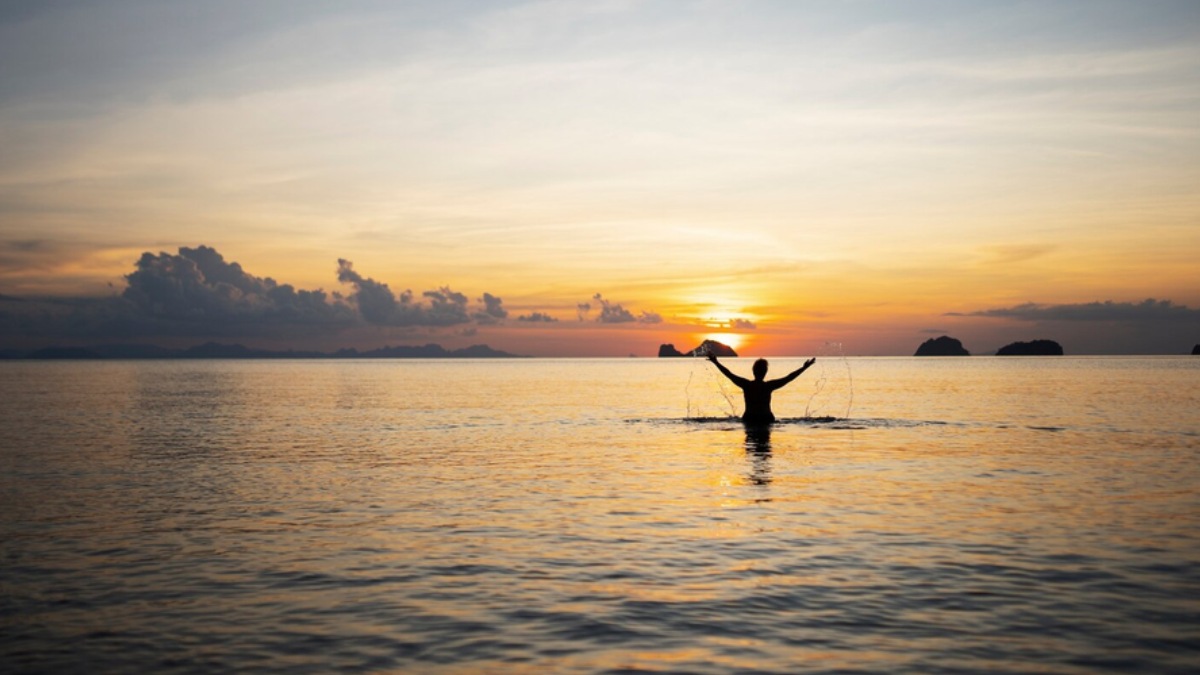
Water is now a big part of the wider travel trend and people are going to take holidays along oceans, rivers, lakes, waterfalls, hot springs and such natural aquatic landscapes. Instead of a destination and booking a spa treatment, people are choosing places where water is part of the wellness experience.
The growing interest in water-based wellness is part of a larger change in how people think about holidays. For many travellers, a wellness break is no longer just a few hours at a spa. It's about creating an environment that encourages rest, reflection and a break from demanding daily routines. Natural surroundings, fresh air, peaceful landscapes and the sound of moving water can contribute to a slower and more relaxing travel experience.
Coastal locations are especially attractive to wellness-oriented travellers. Beach holidays were traditionally laid to rest, but that’s in line with a new approach to wellness, one that is also much more mindful and less about simply lounging by the ocean. Early-morning walks along the banks of the water, slow swimming, kayaking, paddleboarding and quiet time near the water can be part and parcel of a holiday to support health.
Lakes and rivers are also finding a place in the wellness travel landscape. With calm lakes or flowing rivers, travellers have a chance to mix outdoor recreation and relaxation. A morning next to a lake, a peaceful boat ride or a walk in nature along a river can be a counterpoint to formal wellness programmes. For those who prefer less formal experiences, these environments make wellness feel more natural and flexible.
Part of the water-wellness movement is also tied to hot springs. For centuries thermal locations have attracted tourists looking for relaxation, and the tourism industry’s interest in these places is still very much alive in wellness tourism today. Travellers can spend time in thermal waters and exercise at the same time, take nature walks, eat healthy food, meditate or do anything else to rest. The appeal is to design an entire holiday around slowing down rather than putting wellness activities into a tourist itinerary that doesn’t fit in the tourist itinerary.
Water-based wellness is also affecting the way people choose accommodation. Hotels, resorts and retreats near beaches, lakes, rivers and thermal springs can provide experiences that are very much in the context of nature. Properties might offer outdoor relaxation areas, water activities, meditation areas and nature-oriented programmes and this way travellers can have the opportunity to experience well-being without a treatment room.
Another factor in this is the increasing popularity of nature-based travel. Many travellers are looking for experiences that can help them detach from screens and busy urban life. Spending time near water naturally makes people slow down, pay attention to what’s around them and spend time outside. For some, that’s more appealing than a busy itinerary of activities.
So the trend is compatible with the growing interest in slow travel. And whereas well-connected travellers may visit several places in a short period of time, wellness travellers may prefer to stay longer in one place to explore it more at a slower pace. A lakeside village, coastal town or riverside site can be used as a base for walking, swimming, reading, photography and other low-pressure activities.
But responsible tourism is still important as water-based destinations become more popular. Higher numbers of visitors can put a toll on fragile coastal, river and lake ecosystems. When travelling with a sustainable mindset, following local environmental norms, litter management, water conservation and choosing accommodation and tour operators that are responsible for their own sustainable practices is a must.
Water wellness is an opportunity for travel companies to rethink how wellness packages are planned. Instead of massages, fitness classes and yoga classes, operators can put nature, water, movement, nutrition and relaxation to work together. That is appealing to travellers who want wellness to feel less structured and more connected to the destination itself.
Water-focused wellness holidays are becoming more popular and more and more popular in the long run and this is based on the simple idea: sometimes relaxation comes from changing the environment around us.
And water is very much a part of a restorative getaway: listening to waves on a calm beach, sitting by a mountain lake, walking along a river or having a natural hot spring. Wellbeing holidays will continue to evolve far beyond the spa and yoga retreat model of the day and place with more people in mind as people put mental rest and nature and meaningful experiences aside and focus on meaningful ones.