For travellers who are interested in planets, galaxies, stars, meteor showers and the mysteries of deep space, the world offers places where astronomy can feel like an adventure with real-world experience. Remote deserts with little to no artificial light and mountains crowned with huge observatories are some of the best places to see the night sky in the distance.
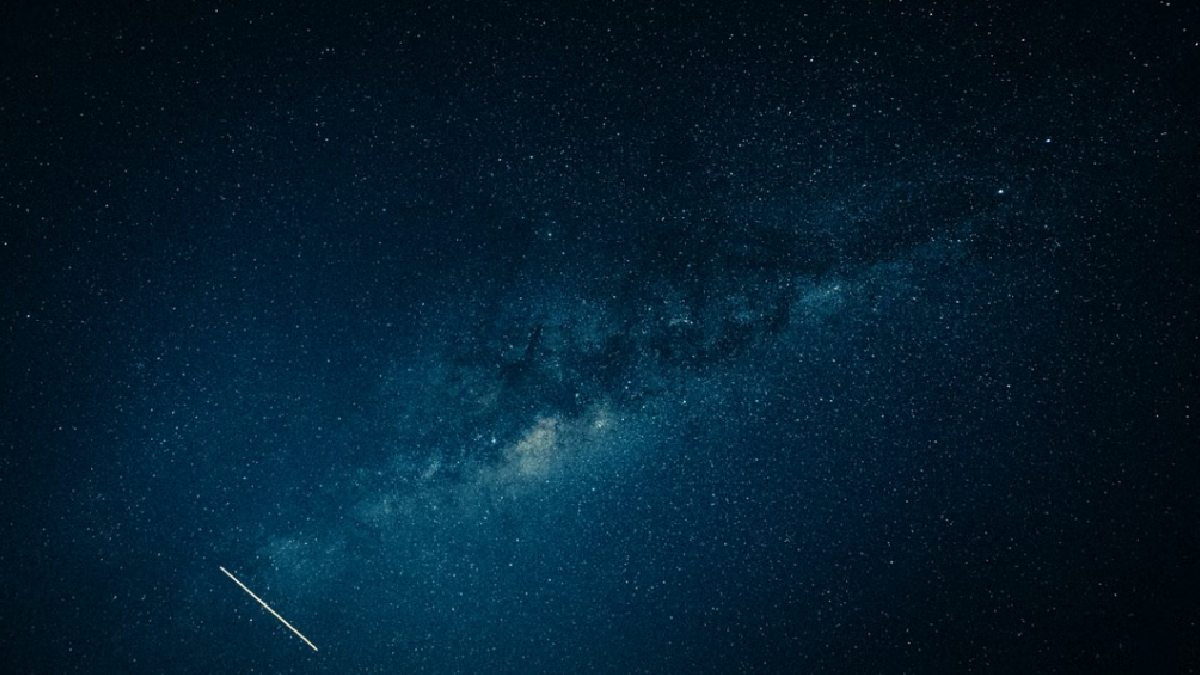
Astrotourism is also a growing popular way of travel, and dark sky destinations are popular among those looking to photograph the Milky Way or see planets through telescopes or just to see the sky filled with stars. A global stargazing list of top-notch clean sky destinations for the year 2026 included France’s Pic du Midi, Australia’s Warrumbungle National Park, Namibia’s NamibRand, Chile’s Atacama Desert, Saudi Arabia’s AlUla, La Palma, Aoraki Mackenzie and Mauna Kea.
We put together a list of 10 places every astronomy lover should definitely put on their travel bucket list.
1. Atacama Desert, Chile
The Atacama Desert is one of the most celebrated places in astronomy. The area of northern Chile is so dry with high altitude and low light pollution that professional observatories and amateur stargazers are highly dependent on this area, and the area around San Pedro de Atacama also has a good astrotourism atmosphere for people to go on a desert adventure in the area with guided night-sky viewing.
Atacama is particularly interesting for space lovers because the barren landscape can take on an almost otherworldly appearance under the Milky Way.
2. Mauna Kea, Hawaii, USA
Mauna Kea on Hawaii’s Big Island is one of the most famous astronomical sites on Earth. Its summit is above 4,000 metres high and is a remote place where telescopes need to be operating in very dry and cold conditions. The mountain is home to many major research telescopes and is also popular for stargazing by visitors.
The volcanic nature, the high elevation and the spectacular night sky make Mauna Kea one of those places. They should keep in mind what the summit access and visitor requirements are now for a visit as conditions and access can change at any moment.
3. Aoraki Mackenzie, New Zealand
New Zealand’s Aoraki Mackenzie International Dark Sky Reserve is a beautiful place for stargazers. It covers 4,367 square kilometres of the Mackenzie Basin and Aoraki/Mount Cook region and is protected from artificial lighting and can therefore provide a very dark sky.
Visitors can take guided astronomy classes, observe from observatory facilities, and view the southern sky. The mountains, lakes and open landscapes in the area are equally attractive by day and night.
4. NamibRand Nature Reserve, Namibia
NamibRand offers the sort of remote desert setting astronomy lovers dream about. The reserve is Africa’s first International Dark Sky Reserve and is a place to promote astronomy in conjunction with nature tourism. Visitors can take guided experiences while learning about constellations, planets and the importance of protecting dark skies.
The combination of sand dunes, wildlife and a remarkably dark night sky makes NamibRand an especially dramatic atmosphere for astrophotography.
5. La Palma, Canary Islands, Spain
La Palma is another major European destination for astronomy enthusiasts. Its high volcanic terrain and efforts to safeguard the night environment have made the island one of the world's recognised astronomical locations.
For tourists, La Palma has the opportunity to combine observatory visits and organised stargazing with hiking, volcanic landscapes and coastal scenery. The Canary Islands are regularly identified as one of the world’s top dark-sky destinations.
6. Pic du Midi, France
Pic du Midi in the French Pyrenees combines astronomy with a great mountain experience. Its observatory and planetarium will allow visitors to learn about celestial objects and the night sky, and the summit itself is 2,877 metres high. The site offers overnight accommodation, and visitors can still get in close for the astronomical experience.
Pic du Midi was ranked number one in a 2026 global clean-sky destination index as it had a perfect balance of sky quality and accessibility.
7. Warrumbungle National Park, Australia
Warrumbungle National Park is Australia’s first International Dark Sky Park. Nearby Siding Spring Observatory is a very important place for scientific research and public astronomy.
Visitors can enjoy guided dark-sky programmes and observe the Milky Way, planets and constellations. In 2026, the park marked a decade since its dark-sky designation, reinforcing its position as a major astrotourism destination in Australia.
8. AlUla, Saudi Arabia
AlUla combines astronomy, archaeology and dramatic desert landscapes. Its protected areas include locations like AlUla Manara and AlGharameel, where exceptionally dark skies sit alongside sandstone formations, valleys and ancient cultural landscapes.
DarkSky International describes AlUla as a world-class place for stargazing and astronomy education and it is among the best dark sky park destinations throughout the world.
It’s one of the few opportunities to visit ancient landscapes during the day and then look out to the night sky at sunset from those old landscapes after sunset for people traveling around the world.
9. Tenerife, Canary Islands, Spain
Tenerife is another nice place for astronomy, especially in the high-altitude Mount Teide region. The island has very good observatory facilities as well as dark sky and the volcanic landscape is a good backdrop.
The Canary Islands are recognised as astronomy tourism destinations because of their high elevations, clear skies and observation conditions. Tenerife has lots of daytime places to visit, including Mount Teide National Park, and it is easy to arrange a longer holiday around an astronomy trip.
10. Sahara Desert, Morocco
For those who want a traditional desert adventure with astronomy at the centre of things, Morocco’s Sahara can be an appealing option. Desert camps can offer large horizons and beautiful views of the stars far away from urban lights.
There is far less emphasis on professional observatories and more on the simple wonder of seeing the night sky from a remote place. Combining camel rides with desert camps, sunset photography and nighttime stargazing can turn the journey into a fun space-themed holiday.
How to Plan the Perfect Astronomy Trip
Choosing the right destination is only part of the experience. Travellers should also consider the lunar cycle, weather, seasonal visibility and local light pollution. Visiting around the new moon generally provides darker conditions, while checking local astronomy calendars can help to plan around meteor showers or other celestial events.
It is also worth carrying warm clothing, even when daytime temperatures are high, because desert and mountain temperatures can drop sharply after sunset. A tripod, red-light torch, binoculars and a camera with manual settings can also make the experience more rewarding.
Whether you are enamored with professional observatories or just want to see the Milky Way stretch across the sky, these places are an extraordinary way to connect travel with astronomy. From Chile’s desert landscapes and Hawaii’s volcanic summit to New Zealand’s protected skies and Australia’s observatories, a space-based holiday can turn an ordinary trip into an epic journey through the universe.