
Krishna Janmashtami is one of the most celebrated Hindu festivals; it is celebrated to commemorate Lord Krishna, the eighth incarnation of Lord Vishnu. It is celebrated by various Hindu communities in India and other parts of the world. Lord Krishna is believed to have been born at midnight on the Ashtami Tithi (eighth day) of Krishna Paksha of Bhadrapada.
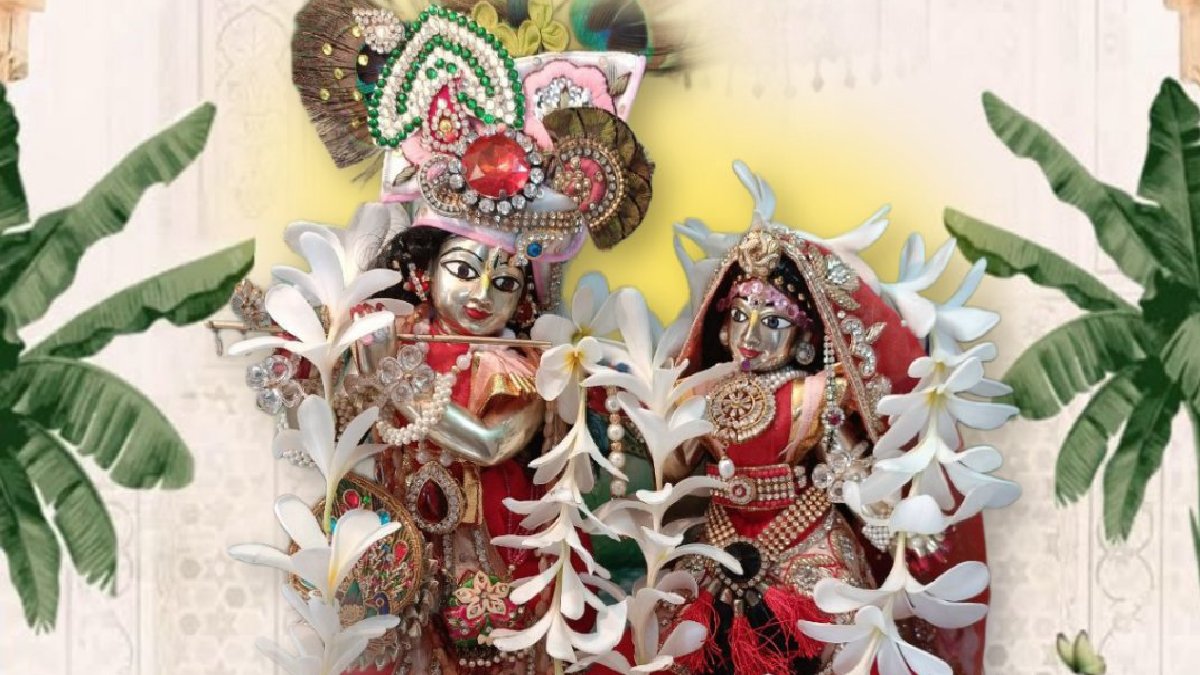
Janmashtami 2026 is on its way, and because the Ashtami Tithi and Rohini Nakshatra that are the two major dates of the festival are on different time-stages (e.g., September 3-4), many devotees are confused as to whether the festival will be celebrated on September 3 or September 4.
But according to most Hindu Panchang calculations and festival calendars, Krishna Janmashtami will be celebrated on Friday, September 4, 2026. It is because the Ashtami Tithi and Rohini Nakshatra are in the midnight period of Lord Krishna’s birth.
Janmashtami 2026: Important Timings
According to traditional Panchang calculations:
Ashtami Tithi starts early in the morning of September 4, 2026. Ashtami Tithi continues throughout the day and reaches midnight for Krishna Janmashtami. Rohini Nakshatra, which is very auspicious because Lord Krishna was born in this constellation, also occurs on September 4. Nishita Kaal (midnight worship period) is on the night of September 4-5, so it is the most auspicious time for Krishna Janmashtami puja. Why is Janmashtami celebrated?
Lord Krishna was born in Mathura to Devaki and Vasudeva during a time of tyranny under King Kansa, according to Hindu scriptures. Krishna is believed to have restored righteousness and protected humanity from evil forces. His teachings, later delivered through the Bhagavad Gita, still influence millions around the world.
Janmashtami 2026 Puja Vidhi
Janmashtami is celebrated by devotees with fasting, prayers, devotional singing, and midnight celebrations.
The traditional puja procedure includes:
Cleaning and decorating the home temple with flowers and lights. Incorporating an idol or image of Baby Krishna (Laddu Gopal). A day-long fast and consuming only fruits and milk-based food. Abhishekam with milk, curd, honey, ghee, and holy water. Offering butter, mishri, fruits, panchamrit, and sweets to Lord Krishna. Reciting Krishna Bhajans, Bhagavad Gita verses, and devotional hymns. Special aarti at midnight, believed to be the exact time of Krishna's birth. Breaking the fast the next morning after completing the prescribed rituals. Spiritual significance of Janmashtami
Janmashtami is not only a festival; it is a celebration of divine wisdom, devotion, and righteousness. Devotees believe that on this day, worshipping Lord Krishna helps bring peace and prosperity.
The festival is also a celebration of good over evil, reminding us to perform good, loving, and kind actions. Many devotees stay awake at night, perform bhajans and kirtans, and celebrate Krishna's birth with great joy.
Several temples in India, especially in Mathura, Vrindavan, Dwarka, Udupi, and ISKCON centres, organise elaborate events with devotional music, cultural programs, and special prayers. Millions of devotees are expected to participate in Janmashtami 2026 celebrations, making it one of the largest Hindu festivals of the year.







Comments
Leave a Comment