
Raksha Bandhan is one of India’s most beloved festivals and is dedicated to the brother and sister’s bond of love, trust and protection. The festival is celebrated with sisters tying a sacred thread, called Rakhi, on the wrists of their brothers to pray for their survival, prosperity and long life.
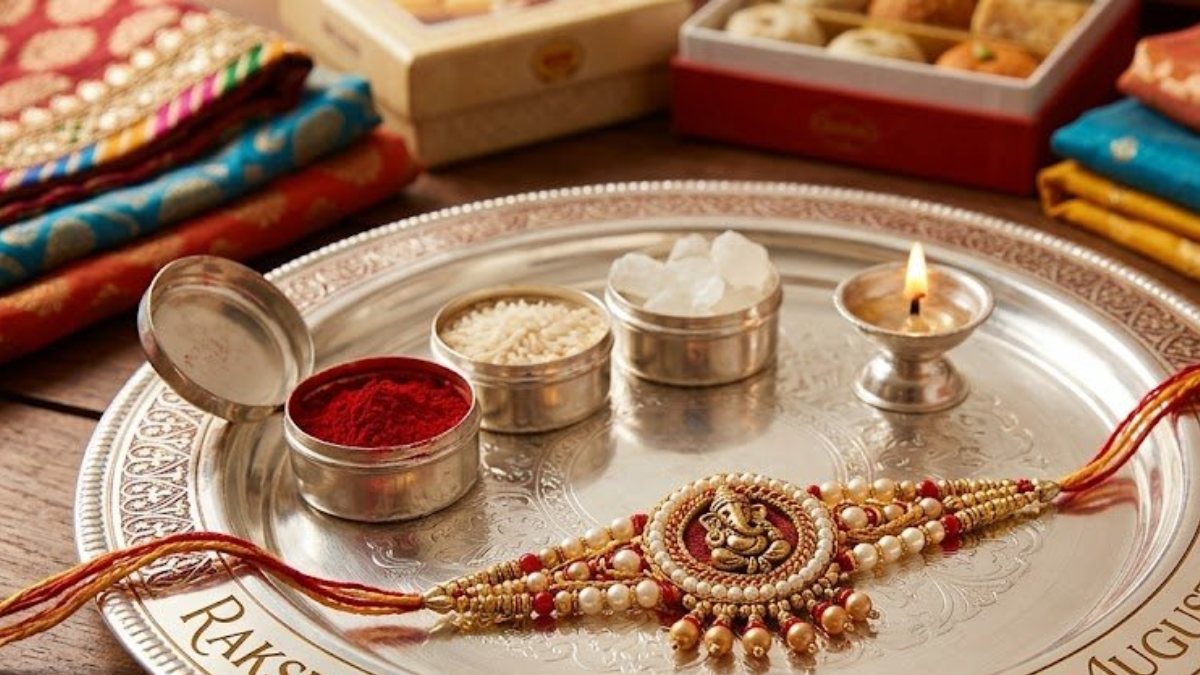
In exchange, brothers pledge to protect their sisters and often bring gifts as a sign of affection. Although this festival is full of joy and family celebrations, Hindu traditions and scriptures also dictate the rituals to be followed and the blessings which should be given.
According to Hinduism, every ritual on Raksha Bandhan has a spiritual meaning for its followers. And so, we are told to observe some traditions and avoid anything that is seen as inauspicious. One of the most important rules is the direction in which the brother should not be sitting: in the south direction when performing the Rakhi ceremony.

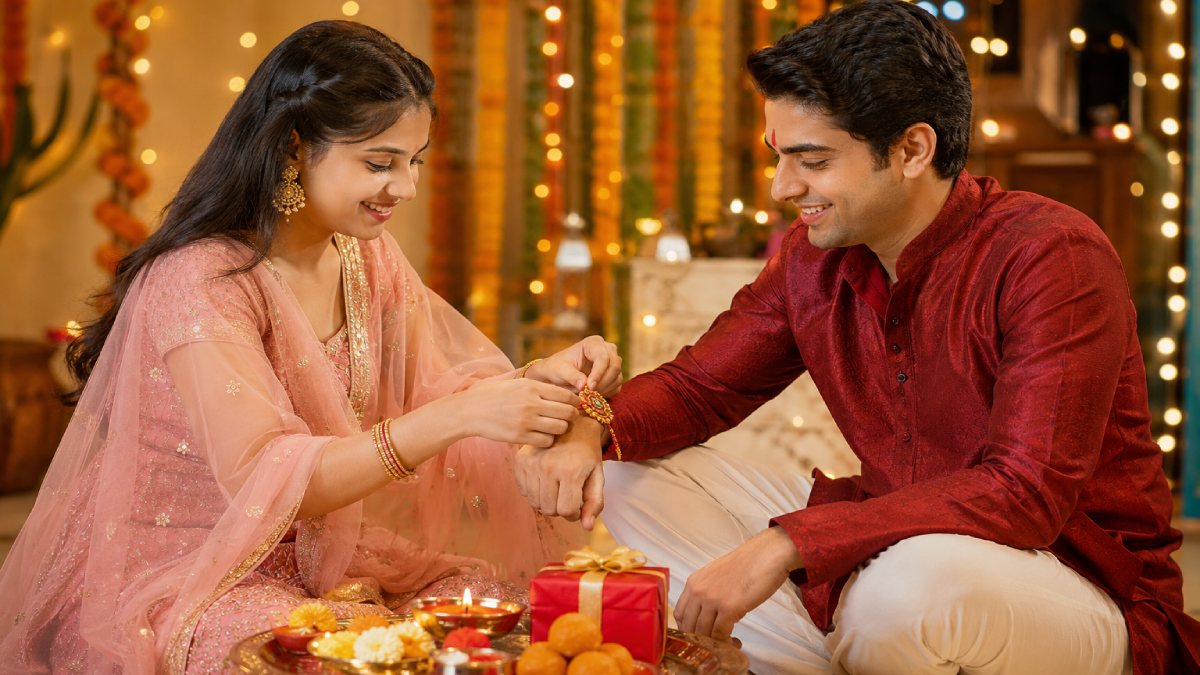
It is said that the brother should never look south during the ritual, as the south is generally associated with negative energies in Vastu Shastra and Hinduism. The brother should ideally face the east or north direction, which is very auspicious and is associated with positivity and growth.
One is the place where the ceremony is conducted. The Rakhi ritual should never be performed in an unclean or impure place. Families should clean the house, especially the prayer area, and decorate it before the beginning of the ceremony. A sacred and peaceful atmosphere is believed to bring divine blessings and positive energy into the home.
The timing is also very important for Raksha Bandhan. In Vedic astrology, the Rakhi should not be tied during inauspicious times like Bhadra Kaal or Rahu Kaal. These are times that are not auspicious and are therefore not liked by a lot of the followers of a Panchang or after a muhurat announced by the priests.
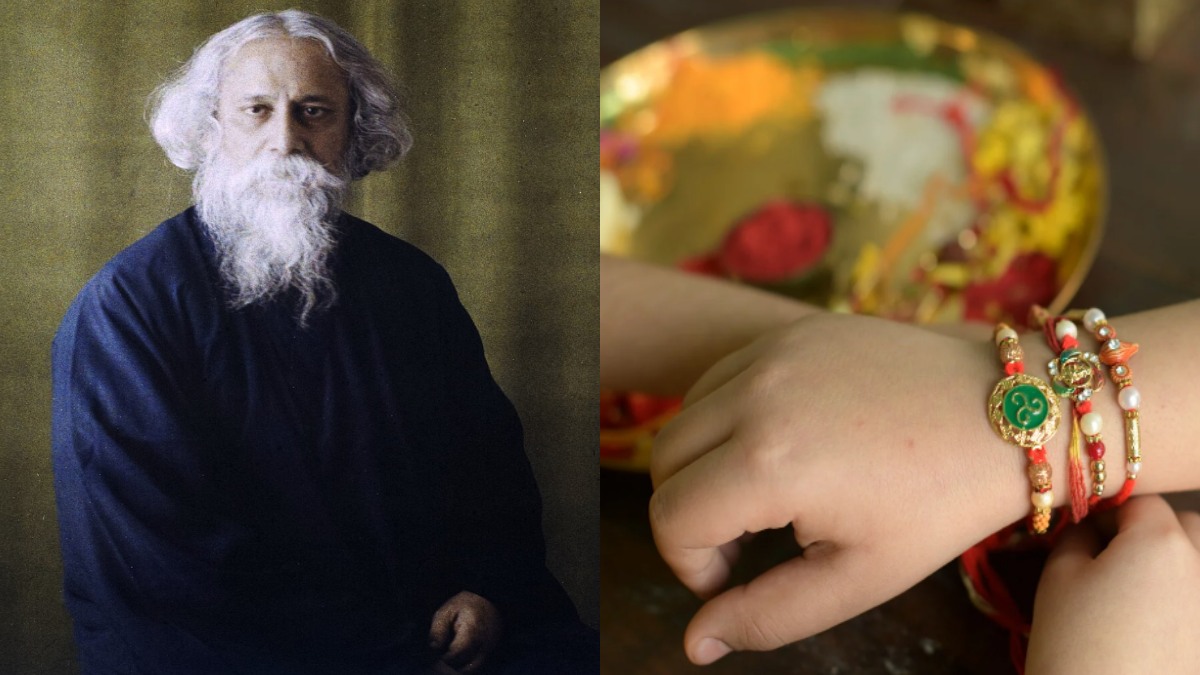
Rakhi is also emphasised in traditional beliefs. Black is not considered auspicious for festive rituals, and religious experts suggest we do not have black-colored Rakhis. Sisters should choose yellow, saffron, red, or other colours that are bright and symbolic of positivity, prosperity, and good fortune. Rakhis that have a sacred symbol of “Om” (ॐ), Swastika, or images of Hindu deities are of great significance and are believed to bring good fortune to the wearer.
Before we tie the Rakhi, the sisters are traditionally instructed to pray to Lord Ganesha, the remover of obstacles, and to our family deity. The Rakhi is placed before the deity and prayers are made. This ritual is a way of surrendering the ceremony to divine protection and the spiritual grace the siblings receive.
The correct sequence of the Rakhi ceremony is also important. Sisters should first apply a tilak on their brother’s forehead, sprinkle akshata (sacred rice grains) on his head, and perform an aarti. After these rituals, the Rakhi should reside on the brother’s right wrist. The right hand is considered sacred and is traditionally used for religious ceremonies and vows.
Raksha Bandhan has another belief that sisters should not gift sharp objects like knives, scissors, or other pointed things to their brothers on this day. It is symbolically unfavourable to give such gifts and is said to have a negative effect on harmony and positivity. Let us give love, prosperity, and good fortune instead.
It is also common for families to visit a temple together after the Rakhi ceremony. The brother and sister can pray for divine blessings and be happy.
Raksha Bandhan is not just a festival of rituals but a celebration of unconditional love, lifelong support, and family values. By following traditional customs and avoiding practices considered inauspicious, devotees can enhance the spiritual significance of the festival and ensure a future filled with blessings, harmony, and protection.





Comments
Leave a Comment