
The development of the Bengaluru-Kadapa-Vijayawada Economic Corridor that connects Karnataka's capital, Bengaluru, to Andhra Pradesh’s major commercial centre, Vijayawada, will also greatly expedite travel between the two states.
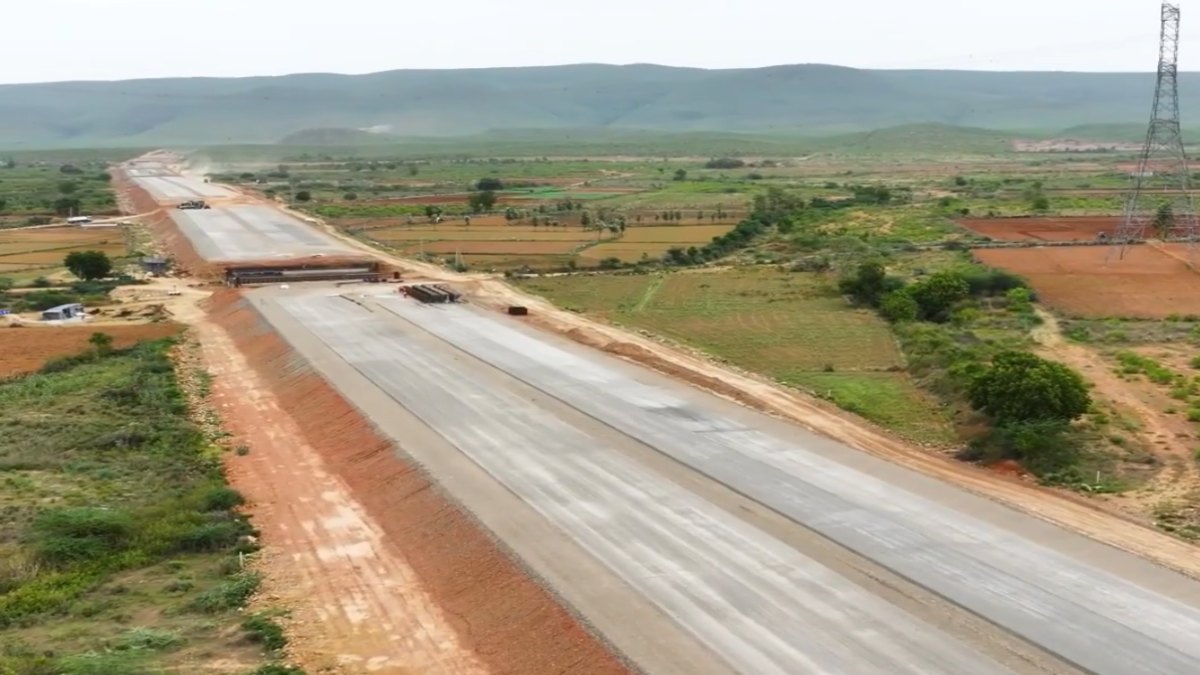
The national highway project has been initiated under the Bharatmala Pariyojana programme and will expand the connectivity between Karnataka and Andhra Pradesh through a modern six-lane, access-controlled greenfield highway.
Construction will be ongoing at various stages in the project and will reduce travel distance, alleviate congestion on the existing roads and facilitate the movement of passengers and commercial goods between the two states. The greenfield road between Kodikonda and Muppavaram is approximately 343 kilometres long, but the wider route will also utilise the existing highways in Bengaluru to Vijayawada.
One of the big hopes in the future is the reduction in travel time. At present, a road journey between Bengaluru and Vijayawada can take 11 to 12 hours depending on the route, traffic and road conditions. But if the corridor becomes operational, then travel time would be much faster, at least 6 to 7 hours.
Recently, data about the wider corridor was reported to reduce travel time by a little more than 4 hours, leading to 8 hours. The final journey time will be determined by the completed route, the speed restrictions, traffic and the road areas that the motorists are using. The new highway could also bypass congested roads, which would alleviate traffic congestion in those cities and the traffic on existing highways.
The project involves a lot of road infrastructure investment, which is estimated to be around ₹19,200 crore to ₹19,320 crore in recent reports. The greenfield portion is going to be a six-lane, access-controlled highway with entry and exit points, which will provide a smoother flow of traffic.
The 343-kilometre section will run from Kodikonda close to the Karnataka-Andhra Pradesh border to Muppavaram near Addanki, and will link with National Highway 16 to Vijayawada. The Ministry of Road Transport and Highways has divided the project into various construction packages. The National Highways Authority of India will conduct the project implementation, with different sections going to the infrastructure companies, including Megha Engineering and Infrastructure Limited.
Andhra Pradesh will benefit significantly from the economic corridor, especially in the roadways along its route. The route is through the interior of the state and can also connect Kadapa, Kurnool and Prakasam to access Rayalaseema through coastal Andhra Pradesh. A big part of the Prakasam district is under construction, with construction packages around Chandrasekharapuram, Kanigiri, Veligandla, Marripudi, Cheemakurthy, Thallur and Addanki.
The main construction activities are earthwork, bridge building, pavement construction, as well as bituminous surfacing. The National Highways Authority of India also reported a critical construction milestone in January 2026, when work on the Bengaluru-Kadapa-Vijayawada corridor broke many Guinness World Records for continuous bituminous concrete laying and paving operations. These achievements highlight the scale of construction that is already happening, although parts of that need to be completed and opened before motorists can use them.
Besides passenger transport, the economic corridor will contribute to the development of trade and logistics between Karnataka and Andhra Pradesh. Bengaluru is a major centre for technology, manufacturing, wholesale distribution and consumer markets, while Andhra Pradesh has important agricultural, industrial and port-linked commercial activities.
A faster highway connection could help transport agricultural produce, minerals, industrial materials and manufactured goods more efficiently. Businesses would likely gain from shorter journey times, better delivery schedules and easier access to distribution centres.
This could contribute to the expansion of logistics parks, warehouses, industrial facilities and commercial activity along the corridor and the development of logistics parks, warehouses and industrial facilities near well-placed highway interchanges. Improved road access to coastal markets and ports can also help exporters and businesses that rely on reliable freight transportation to increase access. But traffic demand and the development of commercial infrastructure along the route will also determine the scale of these economic benefits.
The project is expected to be completed by 2027, but motorists would have to wait for the sections to be completed, inspected and opened to traffic. Once operational, the Bengaluru-Kadapa-Vijayawada Economic Corridor will play an important role in the transport between the two commercial cities of southern India.
The new access-controlled highway with connections to national highways will also help to reduce the toll on older routes. For commuters, transport operators, farmers and businesses, the corridor is an important infrastructure development that can make trips between Bengaluru and Vijayawada easier while supporting regional trade and economic development.





Comments
Leave a Comment