India’s passenger vehicle market was experiencing a strong sales momentum in August 2026, with most of the major car manufacturers reporting remarkable year-on-year growth.
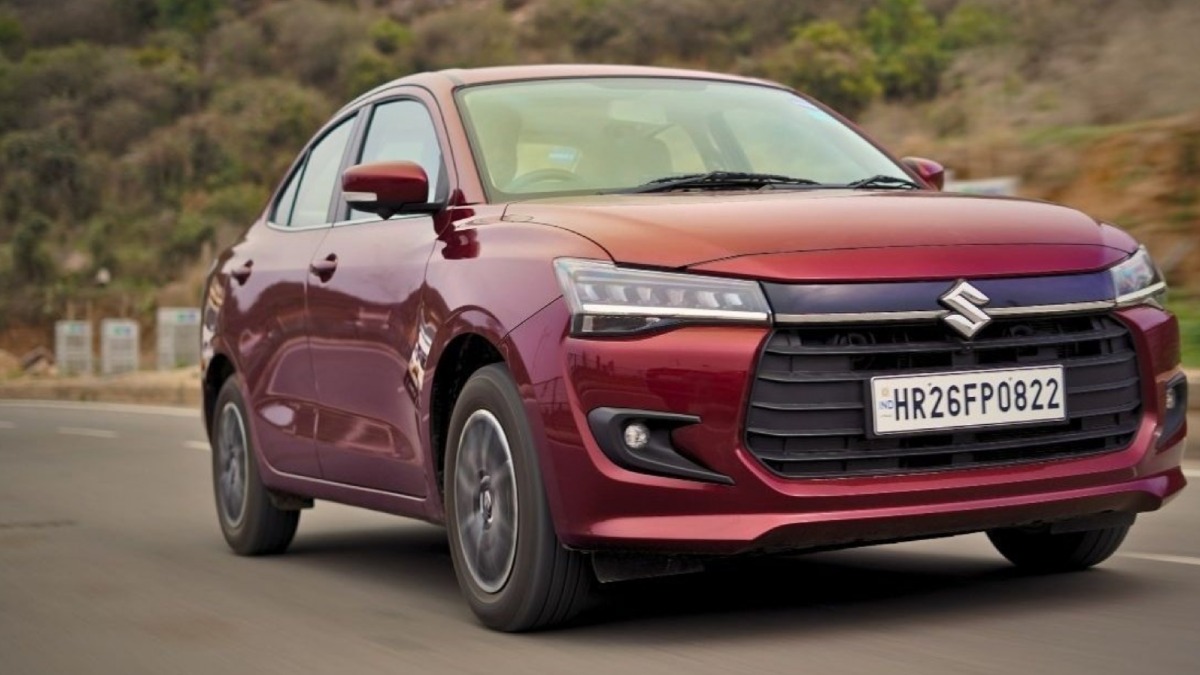
Maruti Suzuki still owned the market by a huge margin and Tata Motors took over as the second market leader and Mahindra was third. Hyundai stayed at fourth but Kia overtook Toyota to take the fifth place among India’s top five carmakers.
High consumer demand and a more competitive market means that manufacturers are more quickly on their toes when it comes to the holiday season buying period.
Maruti Suzuki was the clear leader in August with 1,76,971 passenger vehicles sold in India. The company reported a 34.8% year-on-year increase from 1,31,278 in August 2025 with a total sales of 1,31,278 vehicles. To Maruti Suzuki’s advantage is particularly impressive with sales volume of more than two and a half times higher than Tata Motors in August sales. Although Maruti’s August sales were lower than its 1,96,203 units in July, the large annual growth showed the demand of Maruti’s entire portfolio is strong.
Tata Motors took second place with 65,253 passenger cars sold in the month. The company’s August 2026 figure was also up by about 59% on the same month last year. Tata also took the lead over Mahindra and the battle for the second and third positions was critical in the monthly rankings. Tata Motors’ strong performance reflects the continued appetite in passenger vehicle service as Indian consumers are buying SUVs and newer powertrain vehicles.
Mahindra finished third with 59,257 passenger vehicle sales in August. The company grew by about 50.4 percent year-on-year, but its monthly sales were slightly lower than the 60,048 units in July. The small gap between Mahindra and Tata suggests the top end of the ranking is competitive. The SUV-dominated portfolio of Mahindra continues to be important in its domestic passenger vehicle performance.
Hyundai Motor India remains fourth with 54,396 units sold in August. The company grew year-on-year by almost 23.6%, just behind Kia and Toyota. Hyundai’s monthly sales were essentially stable with July sales at 54,210 units. The fact that Hyundai is one of the country’s leading manufacturers tells us that the company has a very broad passenger vehicle portfolio and still is in the thick of the game to achieve good sales.
The most notable change lower down the rankings was Kia’s return to the top five. Kia India sold 29,042 passenger vehicles in August 2026 compared to 19,608 units in August 2025. And that’s a 48.1% year-on-year rise. Kia also saw a 3% month-on-month increase from July’s 28,200 units. Toyota managed to remain sixth with August performance.
Toyota sold 28,410 passenger vehicles in August, ranking sixth among the six manufacturers in the study. Its year-on-year sales declined by about 3% compared to 29,302 in August 2025. In monthly sales, it also fell from 30,516 vehicles in July. This tells us how even the established firms can see their position move quickly in a market where product launches, customer preferences and seasonal demand can affect monthly rankings.
The Indian passenger vehicle industry also had a good performance in August. Retail passenger vehicle sales at a record 4,48,319 units (35.7% year-on-year increase) increased from August 2025, according to industry data published by Financial Express. Demand was strong and new products and preparations for the upcoming festive season were on the way. However, part of the increase is also because of the relatively low base in August 2025.
More important is the variety of powertrains in the Indian context. Electric passenger vehicle registrations were also strong in August, seeing a huge rise year-on-year and car manufacturers are adding petrol, CNG, hybrid and electric vehicles to their products. This changing mix means that the future ranking of brands will be determined not only by the petrol and diesel vehicles but how well car manufacturers respond to changing customer demands.
The festive season might even be another big boost for India’s auto market. The manufacturers build dealer inventories in advance of the hot period and buyers will buy around major festivals. Maruti Suzuki has a dominant position in this period but Tata Motors, Mahindra and Hyundai are still key competitors, and Kia’s return to the top five brings to the table even more competition.
Even in August 2026 sales show Maruti Suzuki still leading India’s passenger vehicle market but the rankings behind the market leader are getting more and more competitive on the whole.
Tata Motors’ sustained growth, Mahindra’s growing business, Hyundai’s steady performance and Kia’s return to the top five all point to a fiercely competitive second half of the year. With new models, changing fuel preferences and festive-season demand expected to affect buying decisions, we predict that there could be further changes in India’s car-sales hierarchy in the coming months.