Waymo, a Google-owned autonomous driving company, is expanding to Germany, with Waymo planning to launch in Munich in the next few weeks to test its vehicles. It is a major step in Waymo’s globalization and takes Waymo’s autonomous driving technology to one of Europe’s biggest automotive markets, Germany’s most important markets and one of the world’s biggest automotive markets, which is just one of the world’s largest automotive markets.
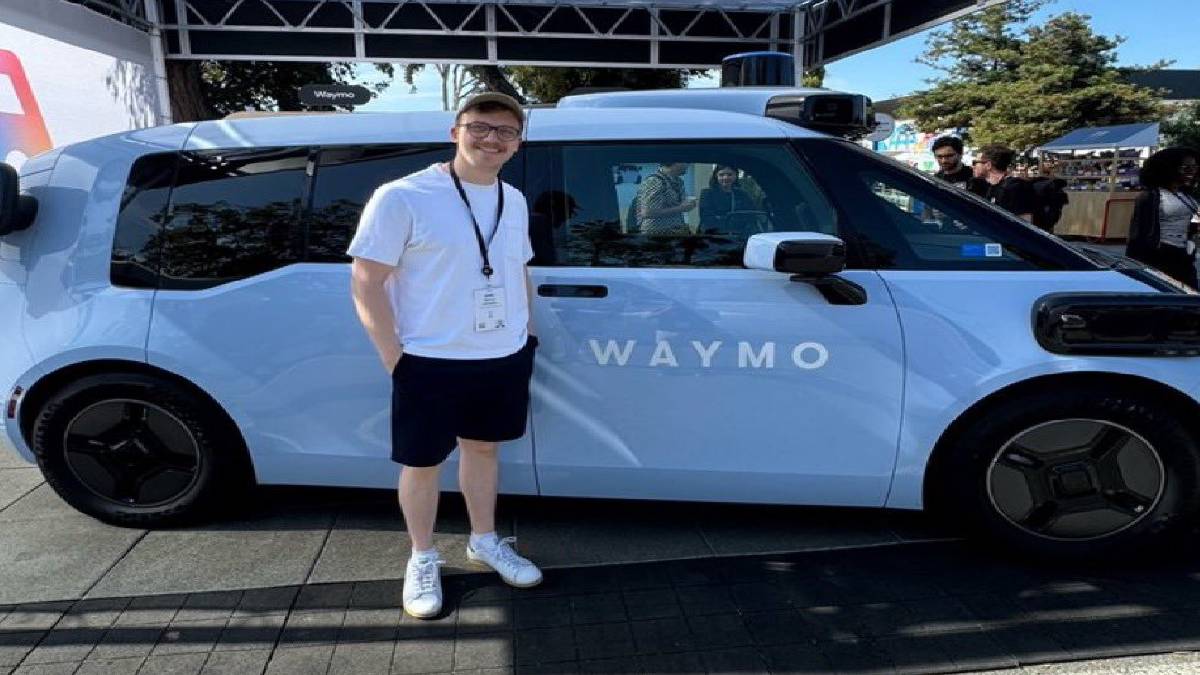
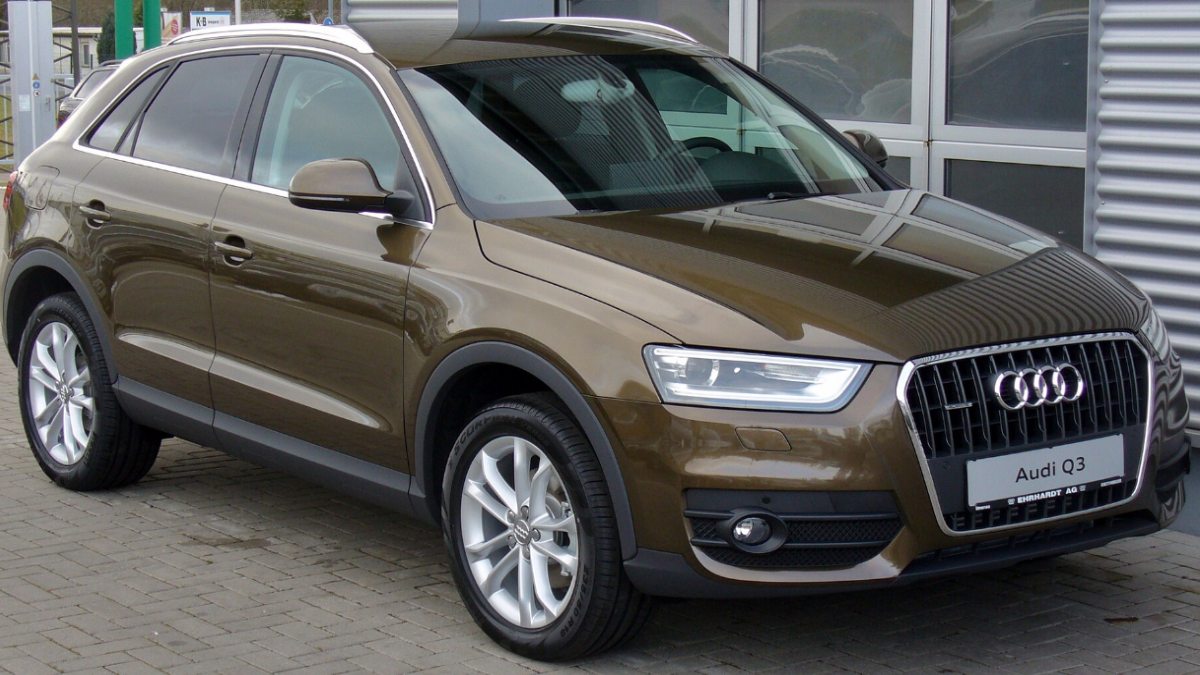
Waymo said it is establishing a fully autonomous ride-hailing service in Munich. The first phase will be vehicles arriving on the city’s streets to collect data and build up high-definition maps of the local road network. Initially, Waymo will use manually driven vehicles to adapt its technology to Munich’s roads and driving patterns.
Hence, the Munich expansion is significant; Germany has some of the largest automobile companies in the world and an established automotive engineering industry. Munich is also the home of BMW, making it a strategically important location for Waymo to branch into Europe's automotive heartland.
Waymo does not yet plan to deliver fully driverless rides to consumers. Instead, it will proceed through mapping, testing and regulatory approval before launching a commercial autonomous ride-hailing service. Waymo is targeting the end of 2027 in Germany for commercial operations based on regulatory approval and other processes.
The company said that its Munich programme will involve collaboration with local, regional and federal institutions. This cooperation will be crucial as autonomous vehicles should meet the legal, safety and operational requirements of Germany’s regulatory, safety and operational requirements before commercialization of autonomous vehicles can take place.
Waymo’s move also reflects the company’s bigger vision to put robotaxi technology outside the United States. The company has already established a large commercial operation in American cities with worldwide testing and expansion for the robotaxi.
The Munich project could be an important test of Waymo's autonomous driving technology in a European context. European cities can have different road layouts, traffic regulations, signage, weather conditions, and driving behaviour than the American cities where Waymo is currently operating.
So the company will need to collect large amounts of driving data and refine its system before moving to fully autonomous operations. High-definition mapping and manually driven testing will provide the data required to help the Waymo Driver understand Munich’s streets and operating conditions.
Waymo's expansion also comes as competition in Europe's autonomous mobility sector intensifies. Many companies are developing or testing autonomous vehicles in European cities, and German carmakers and tech companies are investing heavily in driver-assistance and autonomous-driving technologies.
For Alphabet, the German expansion is a chance to expand Waymo's business beyond its existing U.S. markets. A successful European launch might bring another major revenue stream through autonomous ride-hailing and will further cement Waymo’s position in the global race to commercialise driverless transportation.
The company has already made more than 20 million trips and provides hundreds of thousands of commercial rides a week, and has already been working with thousands of passengers on it, so it has a lot of operational experience and is ready to move into international markets.
Munich residents could soon see Waymo vehicles on local roads in the coming weeks, but the first vehicles will be part of the testing and mapping programme and not a fully operational public robotaxi service.
The announcement represents a major step for autonomous mobility in Germany. If testing is successful and regulatory approval is obtained, Munich will become Waymo’s first European Union city for commercial robotaxi use, with a trial date of 2027.
So far, the focus is on gathering local road data, adapting Waymo Driver to Munich’s unique environment, and working with German authorities. Waymo vehicles on Munich’s streets will nevertheless offer an important glimpse into the next phase of autonomous transportation in Europe.