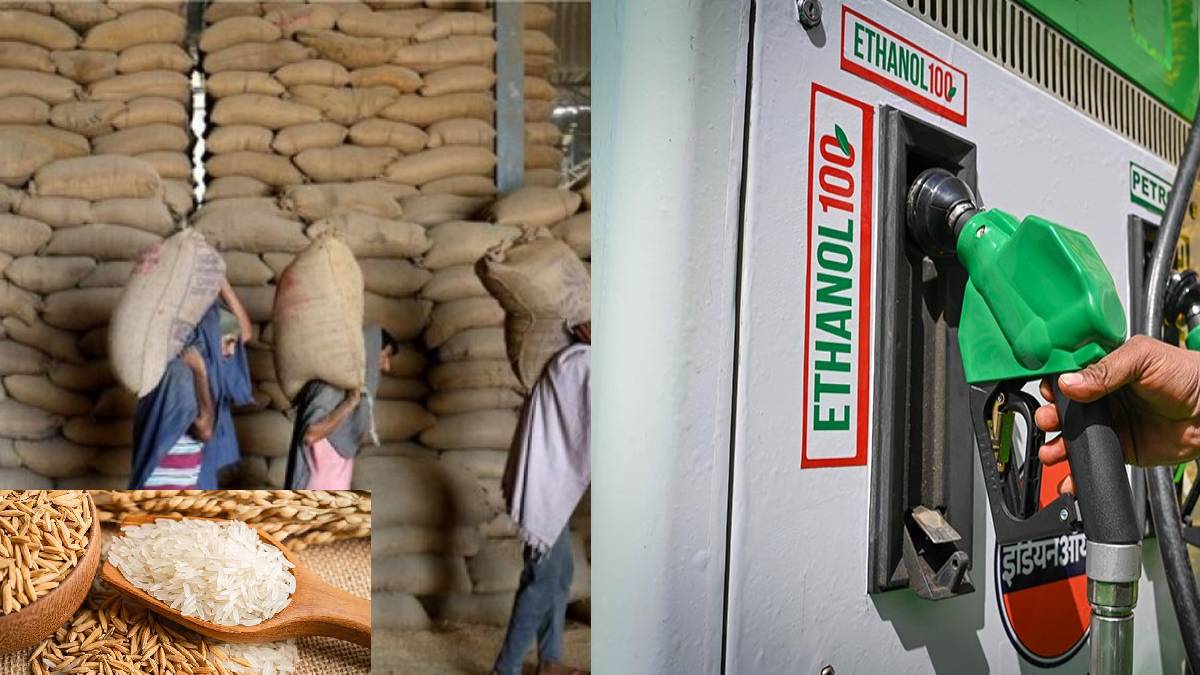
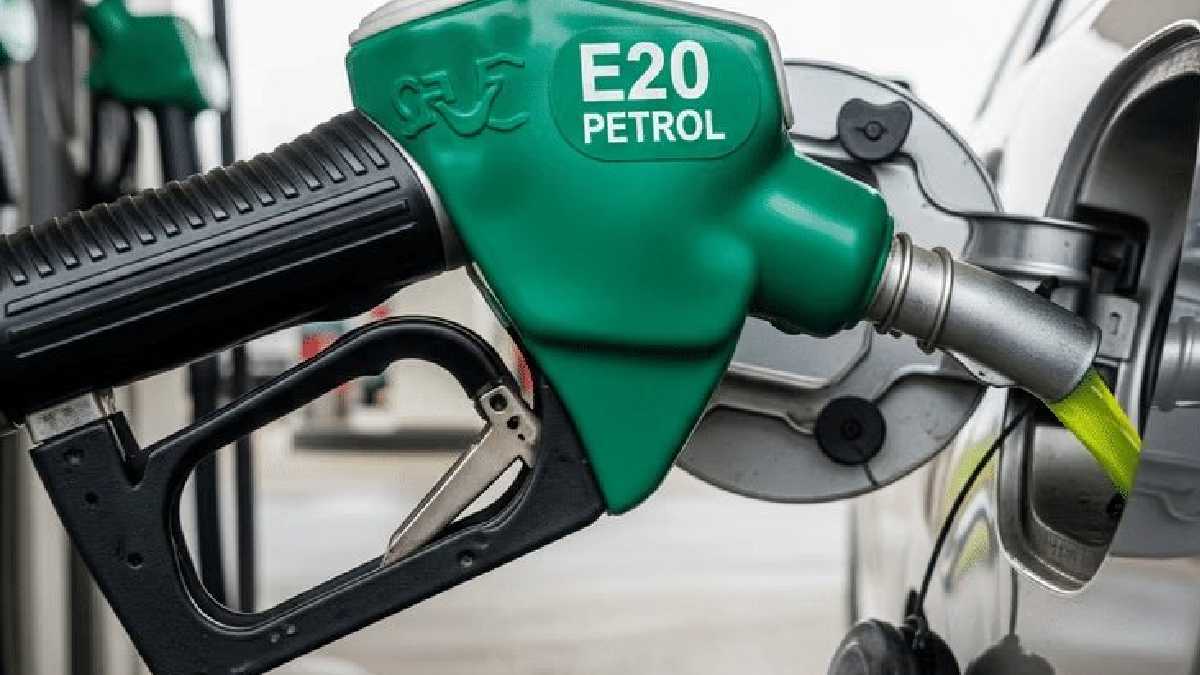
India is on the verge of a historic policy shift as the government prepares to approve the legal use of 100% ethanol as a fuel alternative to petrol. This landmark decision places ethanol as a key player in the country’s energy transition, offering cleaner mobility solutions and reducing dependence on fossil fuels.
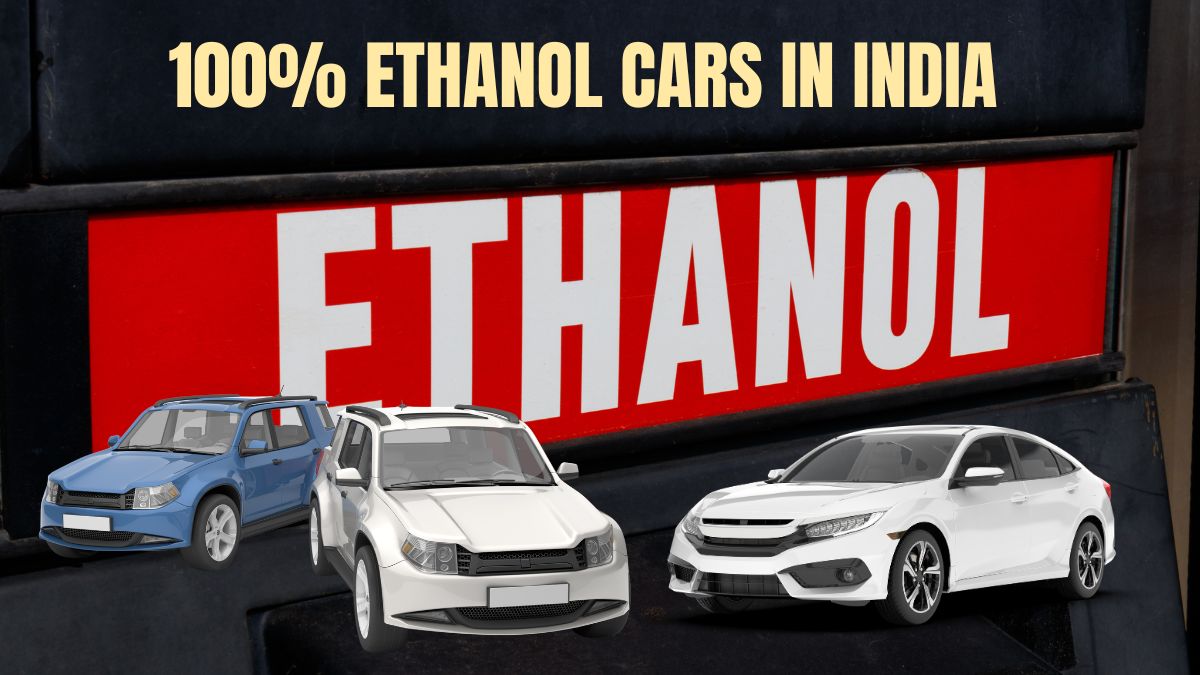
As global attention to climate change and carbon emissions is growing and governments are turning to cleaner energy sources, ethanol, made from agricultural feedstock such as sugarcane, not only reduces emissions but also helps farmers in producing new food crops. For India, a labour-rich agrarian economy, this is a space in which there are environmental and economic development opportunities.
Automakers are already ready for that change. Toyota, Suzuki, Hyundai, and MG are now designing vehicles with ethanol to do so. These are the start of a new era in India’s automotive industry when alternative fuels will no longer be science fiction but mainstream.
The introduction of 100% ethanol cars will change consumer trends and the consumer choice of petrol will change. Ethanol cars will also be a cheap alternative to petrol as petrol prices remain volatile and ethanol is an affordable substitute. The government will be behind this and will promote infrastructure development (e.g., refueling stations) to be faster in order for 100% ethanol cars to be built.
Industry experts say this is a huge moment for India’s auto sector. By legalizing 100% ethanol use, India is among the few countries that have made biofuel use on a large scale. And the policy is closely aligned with India’s larger energy independence, carbon neutrality, and green technology development objectives.
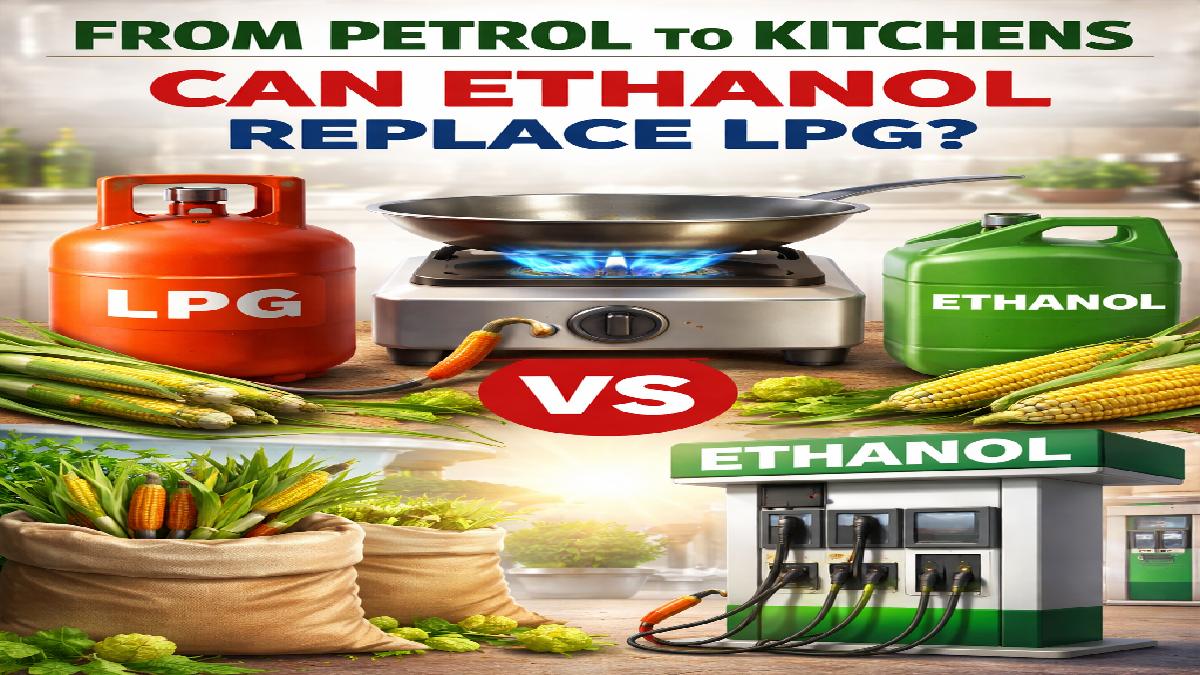
This is why 100% ethanol is not only a new regulation but also a change in sustainable mobility. With major automakers with ethanol-powered cars on the way, India’s car industry is heading towards a revival and a new paradigm in which economic growth is paired with environmental conservation.