The government of India has allocated an additional 55 lakh tonnes of fully broken rice for sale via an e-auction process to enhance the ethanol production mechanism and to help the country reach its clean energy and biofuel goals in the long term. If the decision is accepted, eligible ethanol producers can buy more feedstock and could therefore increase their production efficiency and profitability.
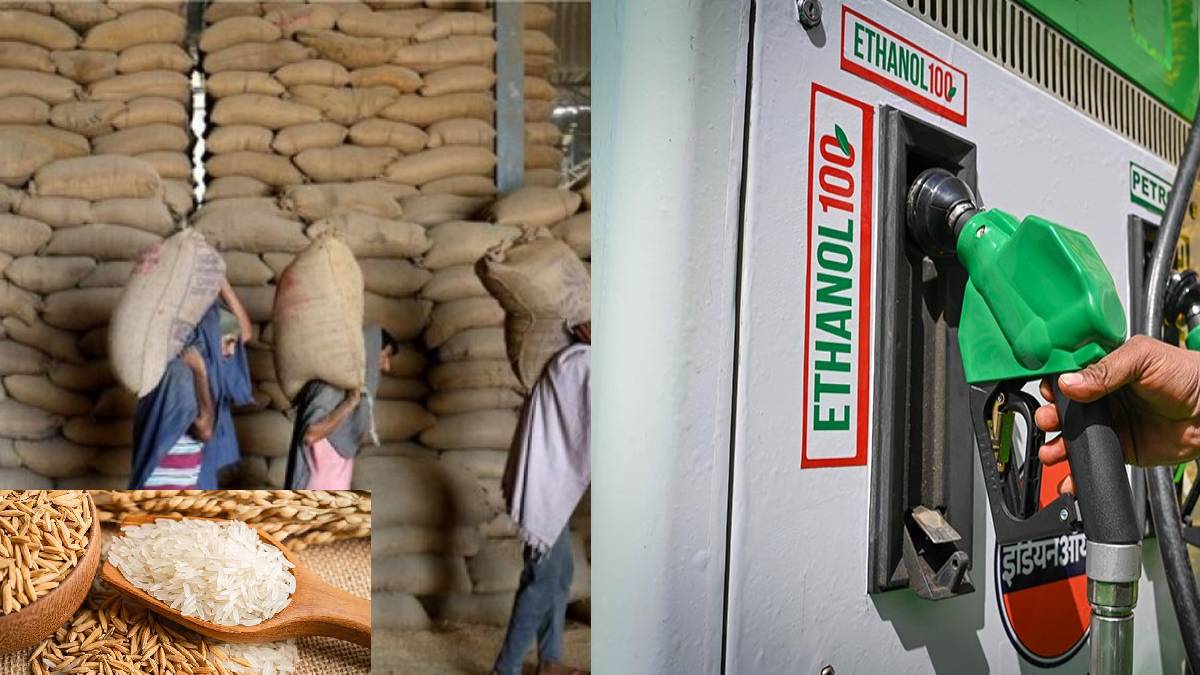
The allocation is part of the government’s overall policy to ensure adequate raw material availability for the ethanol industry as well as to optimize the utilization of surplus foodgrain stocks. Fully broken rice, which has relatively less demand in the premium food market, is increasingly being used as feedstock for ethanol production due to its cost-effectiveness and availability.
Strengthening India’s Ethanol Blending Programme.
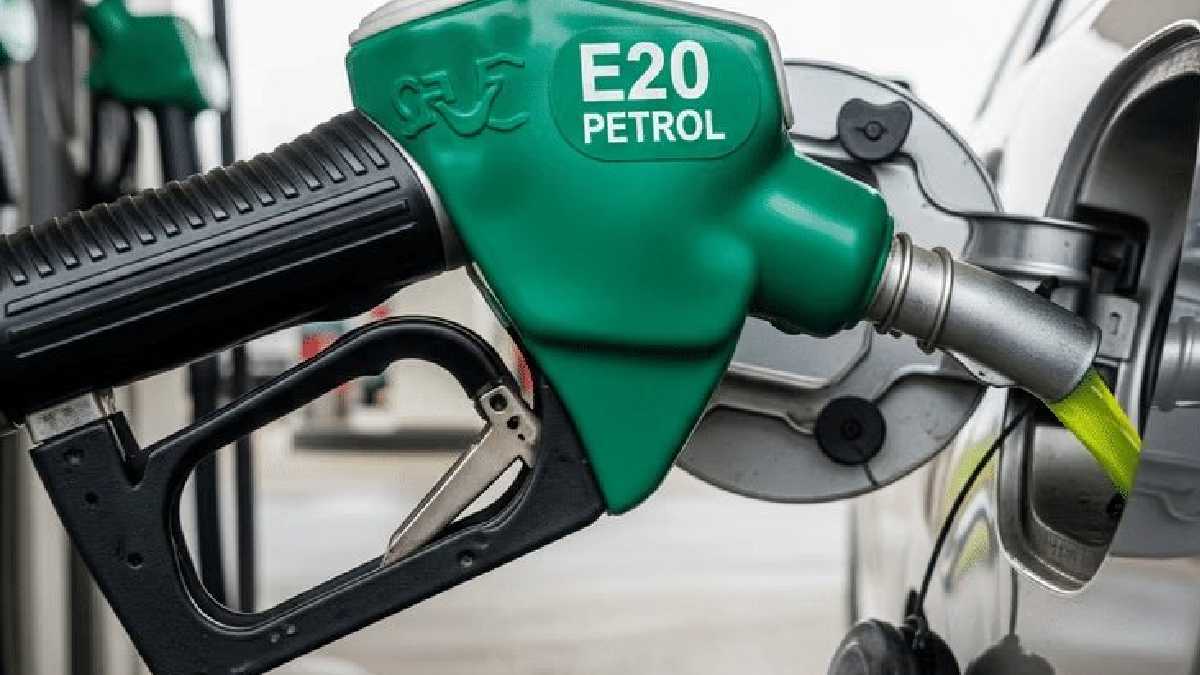
India has been aggressively promoting ethanol blending with petrol to reduce dependence on imported crude oil, lower carbon emissions, and improve energy security. The Ethanol Blended Petrol (EBP) programme has become one of the country’s flagship clean energy initiatives and aims to shift away from importing ethanol to using domestic ethanol as a renewable source.
The additional supply of broken rice should also help ethanol distilleries to keep production of ethanol stable and to meet government blending targets. A more plentiful supply of feedstock can also alleviate input constraints in the ethanol industry during times of erratic agricultural production.
Why Broken Rice?
Broken rice consists of rice grains fractured during milling and processing. While it can be used for many industrial and food applications, fully broken rice is now an increasingly important raw material for ethanol production because of its starch content and competitive pricing.
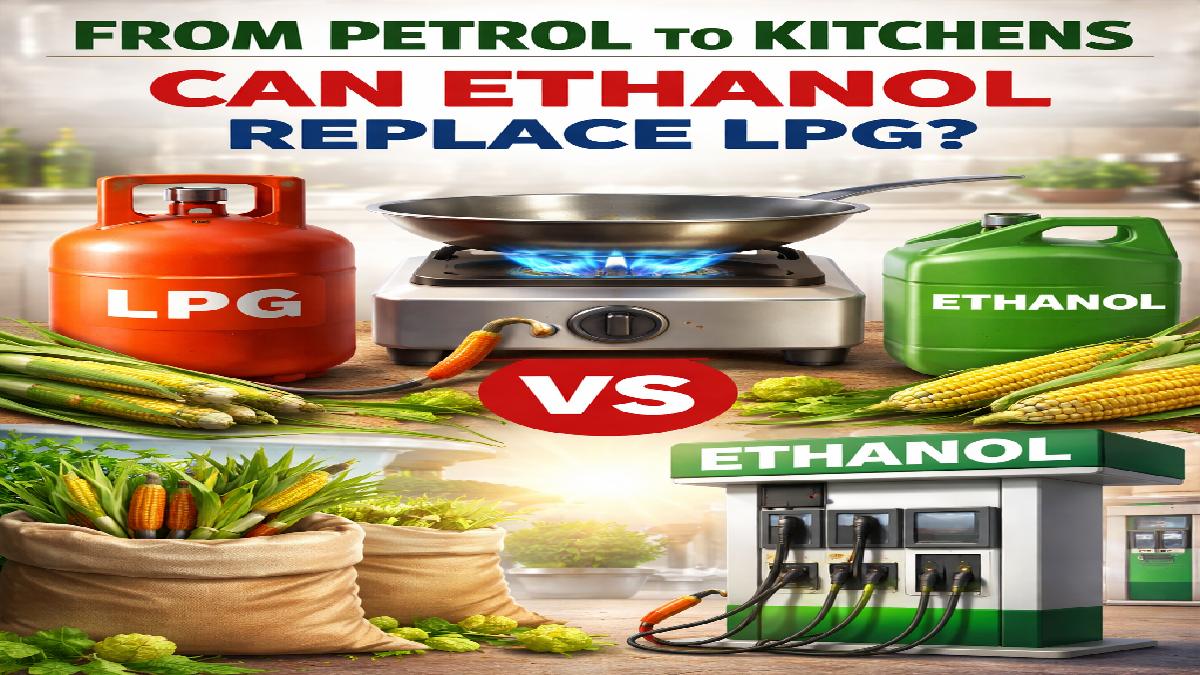
The surplus broken rice will help utilize foodgrain stocks and minimize waste. Since it is less preferred for premium retail consumption (and therefore less important in the production of biofuels), diverting it for industrial biofuel production will help to manage resources better without influencing the supply of higher-grade rice varieties.
Benefits for Ethanol Producers
The addition of 55 lakh tonnes will provide ethanol producers with increased certainty of raw material availability. With access to more quantities via transparent e-auctions, producers may benefit from:
Improved feedstock availability. Better production planning. Lower procurement uncertainty. Improved operational efficiency. Better profitability due to economies of scale.
The e-auction system also promotes transparent allocation, so that the buyers can compete in proportion to the quantities available in the market and increase market efficiency.
Supporting Energy Security
The importance of domestic ethanol production is another pillar of India’s strategy to reduce reliance on imported fossil fuels. Increasing ethanol blending lowers petrol consumption and, as a result, the country’s oil import bill while supporting rural economic development through agricultural value addition.
India has steadily increased ethanol blending levels in the last few years with investments in new distilleries, feedstock diversification, and government policy initiatives. More broken rice may help accelerate this process by ensuring a stable supply of raw materials.
Economic and Environmental Impact
The move will benefit multiple stakeholders in agriculture and energy. Ethanol manufacturers have access to more feedstock, and better utilization of surplus foodgrain stocks contributes to better inventory management.
From an environmental standpoint, ethanol production is more beneficial: it reduces greenhouse gas emissions from conventional fossil fuels and provides better fuels for transportation. Ethanol-blended petrol burns cleaner than pure petrol and is more acceptable for air quality and carbon intensity.
The decision also complements India’s energy and climate commitments in the form of more biofuels, electric mobility, and other sustainable solutions to energy needs.
Transparent Procurement Through E-Auction
We want to sell the broken rice to a market via an electronic auction to provide transparency, competitive pricing, and good distribution of the allocated broken rice to the people who can pay. We focus on the digital auction in order to minimize conflicts in the allocation and to allow market participants to purchase feedstock through the competitive bidding process.
Such systems also improve accountability and help in the more consistent distribution of government-owned grain stocks.
Looking Ahead
The allocation of an additional 55 lakh tonnes of fully broken rice highlights the government’s continuing efforts to build India’s biofuel ecosystem. The ethanol demand is growing with the national blending programme, and an adequate supply of feedstock is crucial to support the economic development of the country.
By providing easy access to broken rice through transparent e-auctions, the government will be helping to meet renewable energy goals and to achieve efficient foodgrain management sustainably. The project will also build up ethanol production capacity and increase profitability for the producers to make a contribution to India’s long-term energy security, lower emissions, and a more sustainable transportation sector.