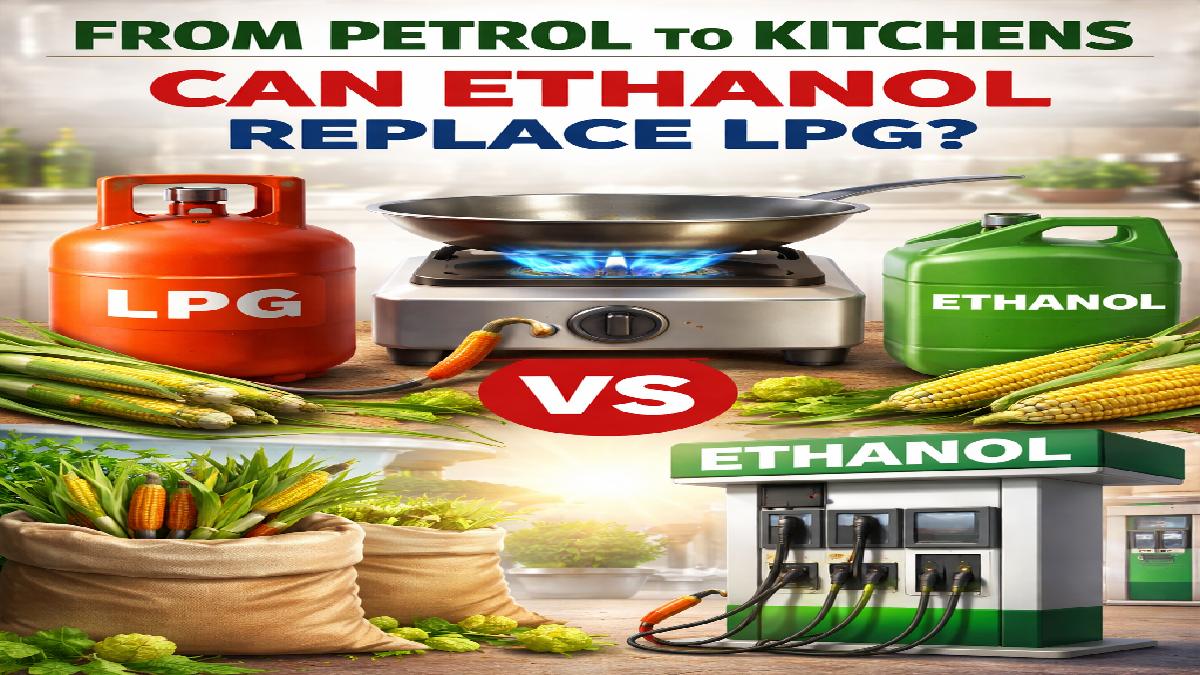
As energy challenges and fuel shortages increase in households and in businesses, an old conundrum will have more and more impact: Could we replace LPG as main cooking fuel with ethanol instead and why? Ethanol is being addressed in India, as a more responsible alternative for domestic cooking and potentially more easily to use for petrol blending.
What is ethanol and why the Shift?
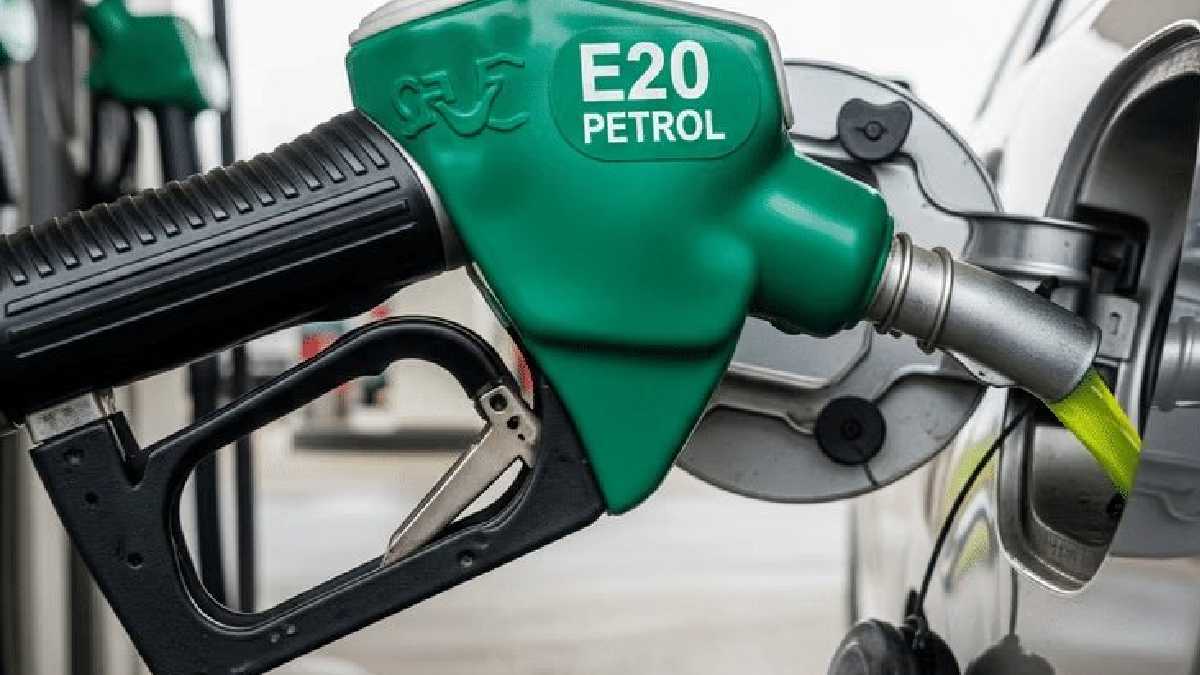
Ethanol is a biofuel from agriculture feedstocks and food production such as sugarcane, maize, other biomass. India has already made great progress with ethanol mixing with petrol under government initiatives aimed at reducing crude oil imports and promoting renewable energy.
Analysts and regulators alike are now considering whether ethanol could flow even from the transport industry to households kitchens; due to the prospect of shortages of LPG and higher fuel costs. Ethanol is an attractive cooking fuel for that purposes.
A strong advantage of ethanol is that it is a renewable and we are producing the fuels locally so we don't depend on the imported fossil fuels. In comparison to LPG ethanol burns relatively cleanly so that it can be produced much cleaner but can also generate greenhouse gasses producing better indoor air cleanliness that would allow us to clean air in our home with proper technology (in all parts of homes).
Ethanol-based cooking solutions, including home-style versions of professionally designed stoves, are already being investigated in some regions. They are portable, efficient and can be much more appropriate in rural or semi-urban regions in which LPG access is not uniform.
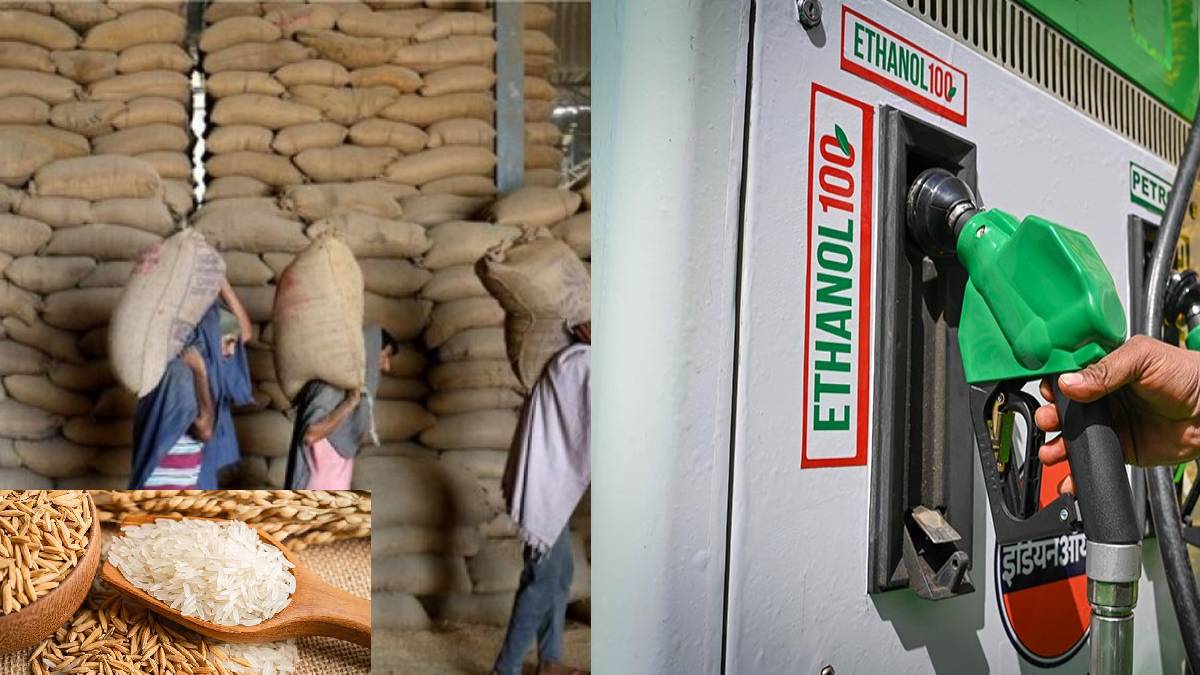
Another major advantage relates to cost stability. Because ethanol is made locally, there is less risk of global geopolitical tension that is a threat to LPG supply chains, given that ethanol is often priced differently.
Challenges and Limitations
Ethanol has potential but several barriers to use along with LPG on a large scale still exist. Infrastructure is still relatively difficult. As compared to LPG that already offers a reliable distribution network across India, ethanol for cooking operations is still in its early stages.
At the same time it is very safety-sensitive and storage and safety and storage issues as well. Ethanol is flammable and must be handled carefully and stored so that people can use it safely. Large-scale diversion of ethanol for cooking could increase supply imbalance if the amount is not used for the fuel blending as in case fuel for cooking is burned off.
There are risks of agricultural dependence. Increased ethanol farming may also mean more demand for crops such as sugarcane and maize, raising questions about water usage, food security, and environmental sustainability.
Government and Industry Outlook
Government of India is aggressively promoting ethanol as part of the energy shift across all sectors is on its agenda. Although more efforts are dedicated towards the transport sector, pilot measures and research on ethanol-based cooking solutions are progressing.
Experts believe that ethanol will not completely replace LPG in the near future, but that it would remain an adjunct or alternative fuel in areas in which supply of LPG is still poor.
The Road Ahead
For ethanol to come to the market as a mainstream cooking engine in India there has to be infrastructure, safety standards and mass engagement and awareness in the people alike. The integration between a government, energy companies and tech ecosystem must happen as soon as possible in order for adoption in India to grow.
Ethanol offers the promise to be a more carbon-consistent and local-produced option to LPG but it can’t be widely adopted without delay. This could not replace LPG for a major change in India’s cooking fuel and is potentially an impact in improving India’s economy and energy security.