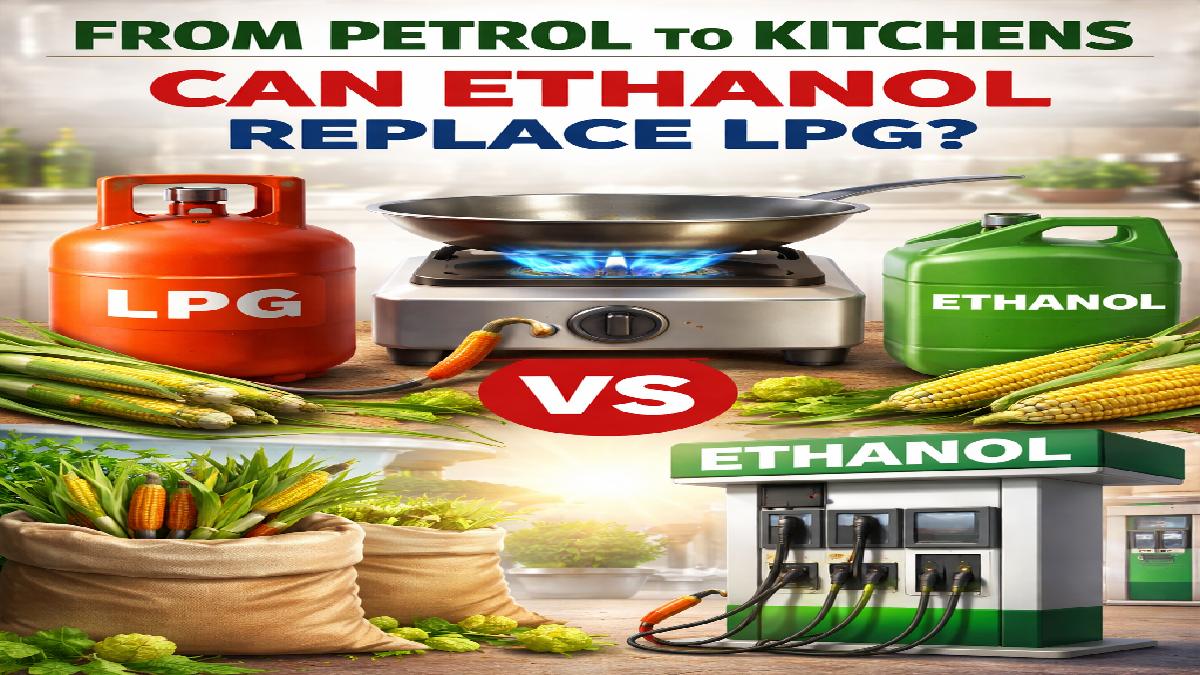
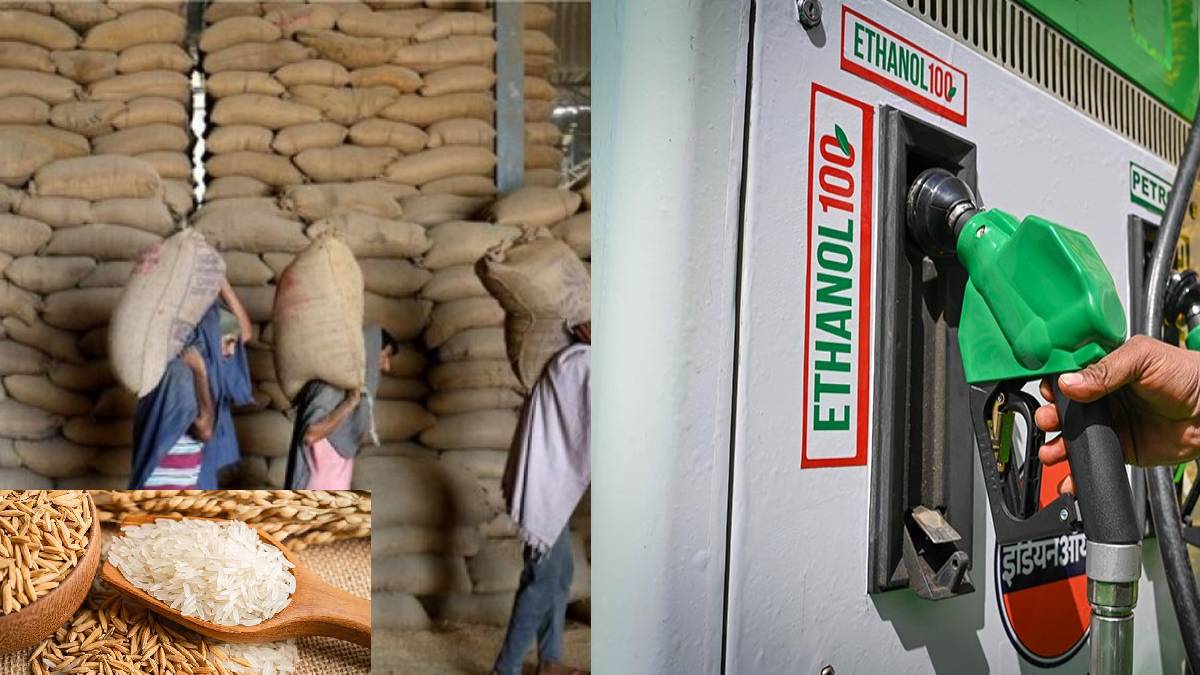
India’s journey towards biofuel has entered a new stage. Now that E20 petrol (20% ethanol and 80% petrol) has been successfully launched, the government is looking beyond cars.
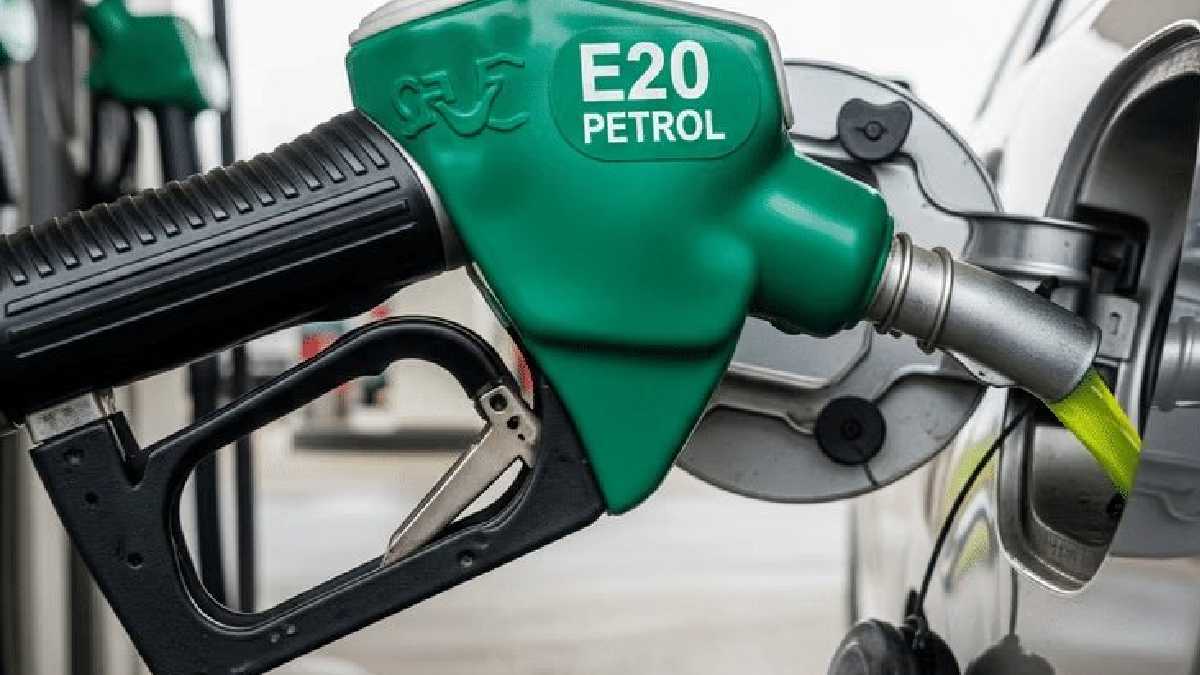
New initiatives include ethanol dispensing stations (Ethanol ATMs), cleaner cooking fuel alternatives, and Sustainable Aviation Fuel (SAF) to reduce emissions in the aviation sector.
These efforts are in line with India’s overall strategy to reduce dependency on imported crude oil and decrease greenhouse gas emissions, and for sustainable energy security and economic opportunities for farmers.
What are Ethanol ATMs
Ethanol ATMs are dedicated fuel dispensing stations that allow compatible flex-fuel vehicles to refuel with higher ethanol blends, E85 and E100, depending on future vehicle availability and government regulations.
These stations are not meant to produce petrol pumps like the petrol pumps in the mainstream but to contribute ethanol-rich fuels that will help bring India toward cleaner transportation over the long term. The concept will only grow as more flex-fuel vehicles are introduced to the Indian market in the future.

Success of E20 Programme
India has rapidly expanded ethanol blending in the last few years. The E20 programme has helped to reduce fossil fuel consumption while using local ethanol made from sugarcane, maize, damaged food grains, and agricultural residues.
The government has also told automobile companies to put the engine in place for higher ethanol blends and to start using ethanol-powered vehicles in the future.
Cleaner Kitchen Fuel on the Horizon
Besides transportation, policymakers are looking into bio-based alternatives for household cooking fuel. Research is in progress to integrate renewable fuels from agricultural waste and biomass into India's clean cooking energy mix.
And such initiatives could be complementary to existing LPG and be ecologically friendly in rural areas where biomass is plentiful.
Cleaner biofuels may also contribute to indoor air pollution reduction and to sustainable waste management by turning agricultural residues into useful energy.
Sustainable Aviation Fuel (SAF)
India is also preparing for the future of greener aviation through Sustainable Aviation Fuel (SAF). Production from renewable feedstocks like agricultural waste, used cooking oil, municipal waste, and biomass could drastically reduce lifecycle carbon emissions compared to conventional jet fuel.
India is also developing domestic SAF production facilities because global airlines are increasingly under pressure to cut emissions. This would make India a key supplier of sustainable aviation services in the fast-growing global aviation market as well as help Indian airlines to meet future environmental standards.
Benefits for Farmers and the Economy
As ethanol and biofuel production expands and agricultural feedstocks are expanded, farmers with new food-based feedstock-based feedstocks for ethanol and biofuels produce new demand for feedstocks that could be used as more fuel sources, more and more farmers will be able to earn new sources of income. It is also a way to make better use of crop residues which are often burned in fields and therefore, reduce air pollution.
Greater domestic fuel production enhances India’s energy independence by reducing oil imports and insulating the economy from global crude price volatility.
The Road Ahead
India is moving away from E20 petrol as a primary source of biofuels for energy and towards renewable energy generation. With ethanol ATMs, cleaner household fuel, and sustainable aviation fuel in development, India is moving towards a diversified renewable energy ecosystem.
Infrastructure, vehicle compatibility, and production capacity are still critical challenges but these projects will also signal India’s goal to develop cleaner energy and a less carbon-infused future.