India's electric vehicle (EV) market is expected to see a major surge in the next few years sales will increase by a factor of 12, reaching 30 million units by 2032 according to a recent industry report.
It highlights India’s rapid evolution to clean transportation, with widespread government policies, technological advancement and consumer awareness.
The report suggests that India's EV ecosystem is entering a transformative phase as demand for electric two-wheelers, passenger vehicles, commercial fleets and public transport continues to rise.
With increasing fuel prices and growing environmental concerns, consumers are increasingly considering electric mobility as a practical and cost-effective alternative to conventional petrol and diesel vehicles.
Government Policies Driving Growth
Government policy has significantly helped drive EV adoption throughout the country. Policies that encourage local manufacturing, incentives for EV buyers, charging infrastructure investment and production-linked incentive (PLI) programs have encouraged both the automotive industry and the consumer to adopt electric mobility.
India has also adopted a number of state-level EV policies to provide tax exemptions, purchase subsidies, and registration fee exemptions to make electric vehicles cheaper to buy. And demand will also be fuelled by these measures in the future.
Electric Two-Wheelers Lead the Market
Electric two-wheelers will be the largest contributors to India's EV sales. Their relatively lower purchase cost, reduced maintenance costs and their necessity for daily urban commuting have made them increasingly popular with consumers.
At the same time, electric three-wheelers for passenger transport and cargo delivery are being adopted with a strong trend as they are cheaper than conventional three-wheelers and profitable for commercial operators.
Passenger electric cars are also expected to be in the driver’s seat as they have lower price ranges and more charging capacity.
Charging Infrastructure Expanding Rapidly
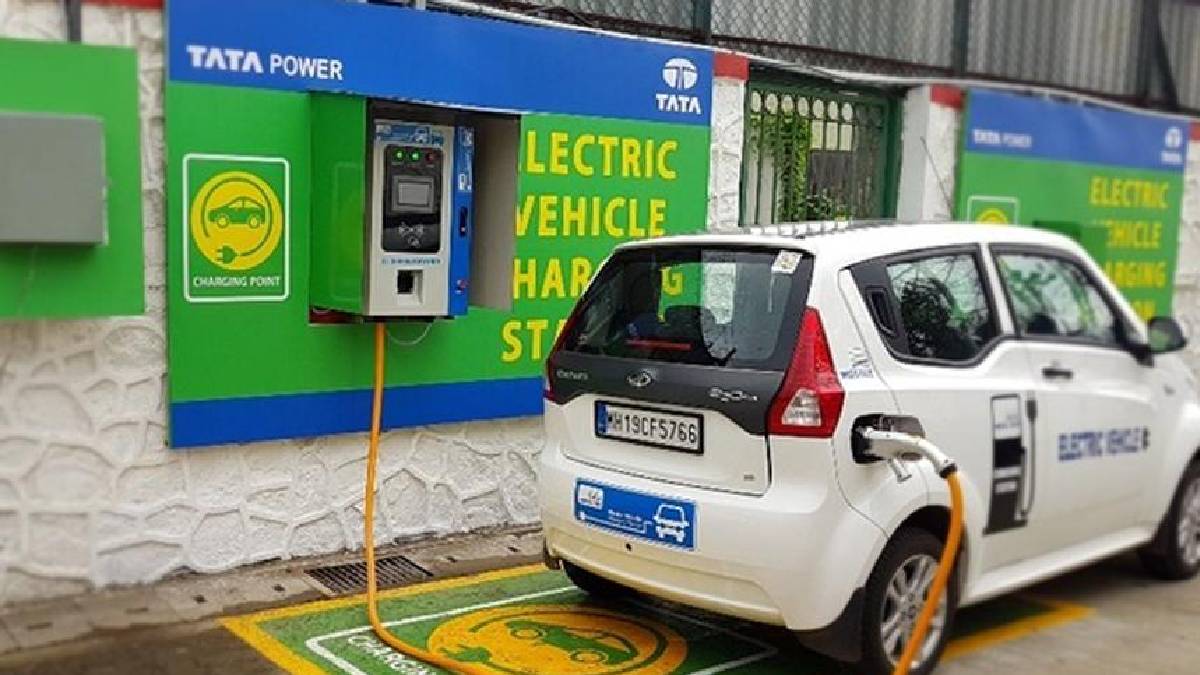
One of the biggest challenges for EV adoption has been charging stations. But government agencies and private companies are rapidly building charging infrastructure along highways, cities, residential complexes and commercial sites.
To solve this, fast-charging technologies and battery innovations will reduce charging time and increase driving range, one of the biggest concerns for prospective buyers.
Economic and Environmental Benefits
The projected growth in EV sales will offer huge economic opportunities. More domestic production of batteries, electric motors and related components could create thousands of jobs and reduce India's dependency on imported fossil fuels.
From an environmental perspective, greater adoption of EVs can reduce the emission of greenhouse gases and improve air quality in large cities, in line with India’s climate change targets.
Road Ahead
While battery costs, charging accessibility in rural areas and raw material supply still present challenges, India's EV sector is optimistic. Policy support, technological innovation and private investment will only further strengthen India’s position as one of the world’s fastest growing electric vehicle markets and will keep the industry growing.
If the 30 million annual EV sales target is achieved by 2032, India will make a huge step towards a clean, more sustainable transportation ecosystem and become a world leader in electric mobility.