
Every child enters this world in the same way. The newborn’s first cry has no caste, no religion, and no social status. It’s simply the sound of life starting. A baby’s first breath is not a product of its genes, and its small hands don’t distinguish between individuals. At birth, each human being starts his life with the same basic humanity.
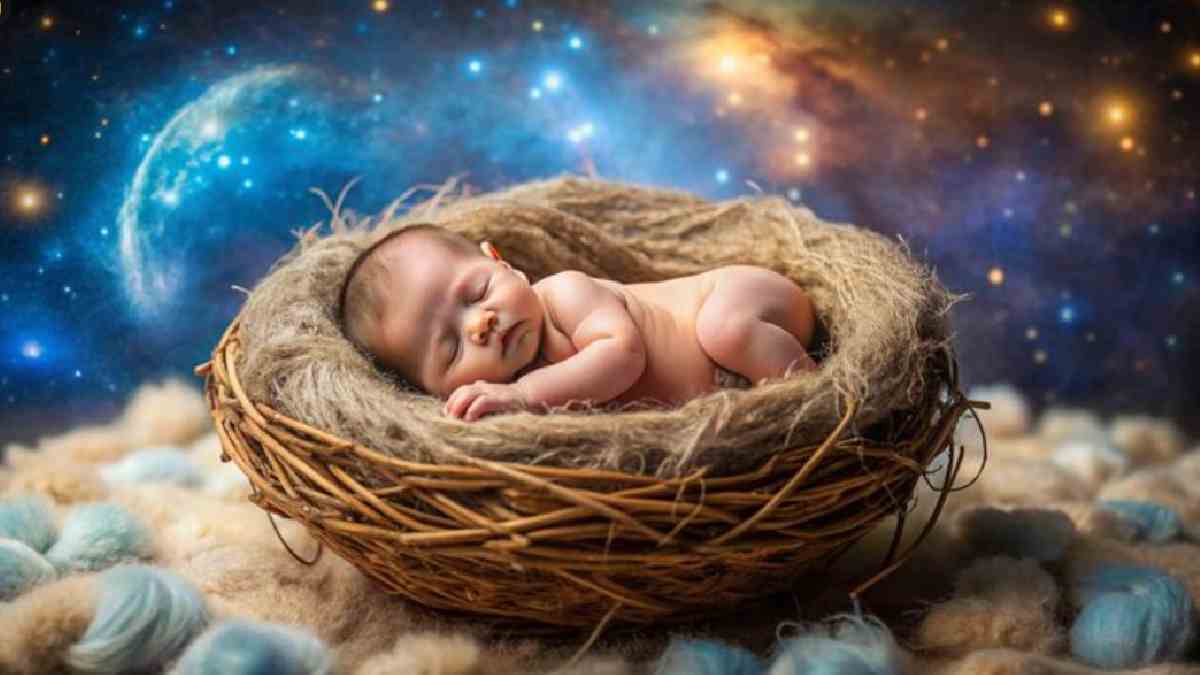
This simple truth gives rise to a very powerful question:
If every one of us is born simply human, when does caste become part of our identity?
The answer is not biology—it is society into which we are born.
People develop social identities from childhood through family traditions, official records, educational institutions, social norms, and interactions. In many places, caste appears on admission forms, government documents, and discussions of marriage or community life. Caste is a cultural identity, a social class, a historical institution. And so a lot of people don’t know it until they encounter it.
Children offer a good perspective. On a playground, they often select friends based on shared interests rather than inherited identities. They laugh, play, argue, forgive, and form friendships without understanding many of the social divisions that adults consider significant.
Children, of course, also acquire the beliefs, customs, and attitudes of the society around them. And families, communities, education, and social norms all influence what people think of themselves and others.
Caste has played a significant role in the social structure of the Indian subcontinent for centuries. Caste is seen as a part of our cultural identity and heritage and a part of our identity, but by many people, caste discrimination and unequal opportunities are still a part of culture and society. And so things are very personal and often complicated in these cases.
But one principle is still very much in evidence, and in different cultures and generations: Each person deserves dignity, respect, and equal treatment.
India has made great progress in education, science, technology, healthcare, and economic development. It has produced some of the world’s greatest scientists, entrepreneurs, artists, sportspersons, and innovators. People communicate in real time from all over the world and work together across borders.
But social identity still affects many aspects of life, from marriage to politics to community life. This is what prompts society to think about the question of whether someone is worth something (or not) based on their birth, or what it is about their character, and what they have done.
But many significant social changes don’t happen grandly but in everyday action. Parents can teach their children that kindness is valued over prejudice. Schools can help to develop that respect among students of different backgrounds. A society that honors cultural traditions and respects each one of us as human beings shall be proud of who we are.
Human potential is strongest when the opportunities are fair, talent, and compassion. Embracing constitutional principles of equality and non-discrimination is not an obligation; it doesn’t require us to abandon our cultural identity to get better at that. It calls on everyone to make sure that identity never becomes the basis for exclusion, hatred, or injustice.
An introduction in the future: where the name of a person is introduced, and there are dreams, abilities, ideas, and aspirations. In such a society, diversity would not be taken for granted, and humanity would be front and center.
Political freedom makes nations, but freedom from prejudice builds society. And it is in every generation to inherit the traditions of the past, but also have the opportunity to influence a better future.
And perhaps the greatest legacy we can leave our children is not money, property, or status, but the fact that every human being deserves respect.
When we continue to ask difficult questions about fairness, equality, and humanity, we make space for understanding and progress. Whether our answers are different or not, the willingness to reflect honestly is what moves society forward.
Because after all, every one of us is beginning life merely as a human being. The values we choose to nurture then will determine the kind of society we leave for the generations to come.





Comments
Leave a Comment