India's ambitious plan to increase ethanol blending in petrol may face a temporary slowdown as concerns over fuel efficiency and the impact on older vehicles gain attention.
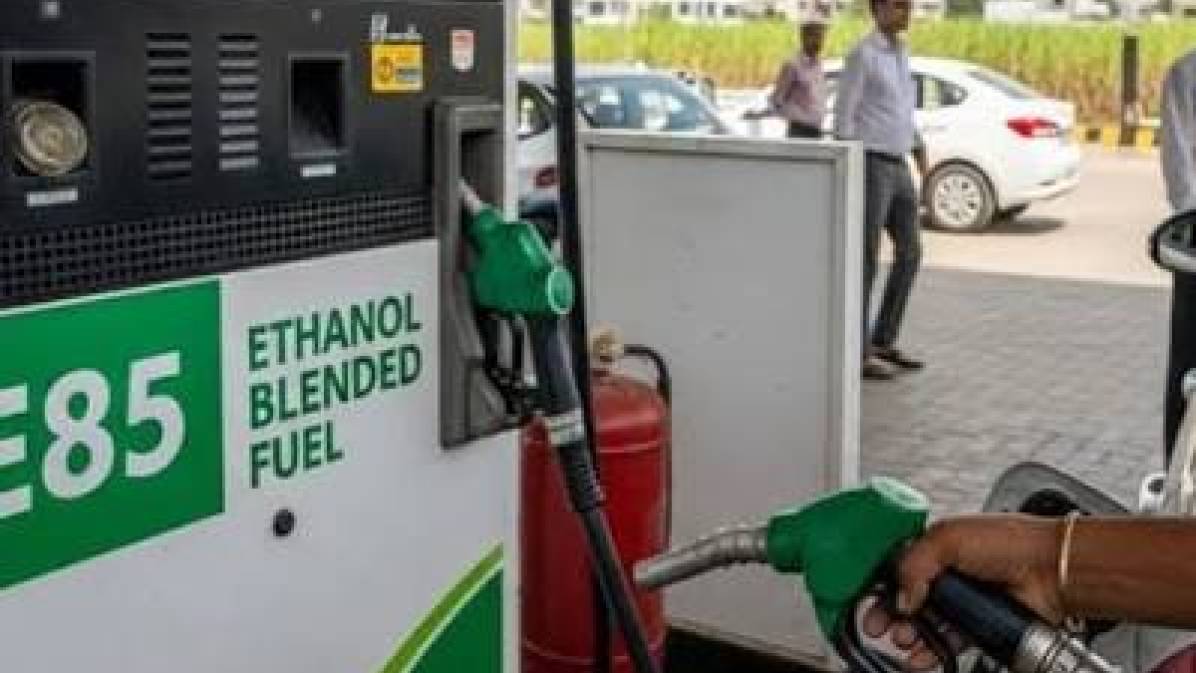
According to recent reports, policymakers are reassessing the timeline for introducing E25 petrol a fuel blend containing 25% ethanol despite the country's continued push toward cleaner and more sustainable energy solutions.
The Indian government has aggressively promoted ethanol blending over the past few years to reduce dependence on imported crude oil, lower carbon emissions, and support the domestic sugarcane industry
The country has already achieved significant progress with the E20 petrol rollout, and the next proposed milestone was the adoption of E25.
However, industry experts and automobile manufacturers have raised concerns that higher ethanol blends may not be suitable for all vehicles currently on Indian roads.
Many older vehicles, especially those manufactured before ethanol-compatible engine standards were introduced, may experience issues such as corrosion of engine components, reduced fuel efficiency, and increased maintenance costs when using E25 fuel.
One of the primary concerns revolves around mileage. Ethanol contains less energy per litre than conventional petrol, meaning vehicles running on higher ethanol blends may travel fewer kilometres on the same amount of fuel.
While the environmental benefits of ethanol are widely acknowledged, consumers could experience lower fuel economy, leading to higher fuel consumption over time.
Automobile manufacturers have also cautioned that widespread availability of E25 petrol before the majority of vehicles become compatible could create confusion among consumers.
Although newer vehicles are increasingly being designed to handle higher ethanol blends, millions of older cars and two-wheelers still rely on engines optimized for lower ethanol concentrations.
The government is reportedly considering a phased approach rather than an immediate nationwide rollout.
This would allow manufacturers additional time to produce ethanol-compatible vehicles while ensuring adequate consumer awareness about fuel compatibility.
Such a strategy could minimize disruption and protect vehicle owners from unexpected repair expenses.
Despite the possible delay, India's commitment to ethanol blending remains strong. The initiative plays a crucial role in the country's broader energy security strategy by reducing crude oil imports and promoting renewable fuels.
It also provides significant economic support to sugar mills and farmers by creating an additional market for surplus sugarcane.
Environmental experts continue to support ethanol blending as an important step toward lowering greenhouse gas emissions from the transport sector.
However, they also emphasize that the transition must be carefully managed to balance sustainability goals with consumer interests and vehicle safety.
If the rollout of E25 is delayed, policymakers are expected to focus on improving vehicle compatibility, expanding fuel infrastructure, and conducting further studies on long-term engine performance.
The decision would reflect a cautious approach aimed at ensuring that India's clean-energy ambitions do not come at the cost of consumer convenience and automotive reliability.
As India continues its journey toward cleaner transportation, striking the right balance between environmental progress and practical implementation will remain key to the success of its ethanol blending program.