A heartwarming video of an auto-rickshaw driver crying has ignited a wider discussion about language, livelihood and the hardships faced by migrant workers in cities. The driver is scared of getting his licence suspended and he could get a fine on the basis that he doesn’t know Marathi, the video says.
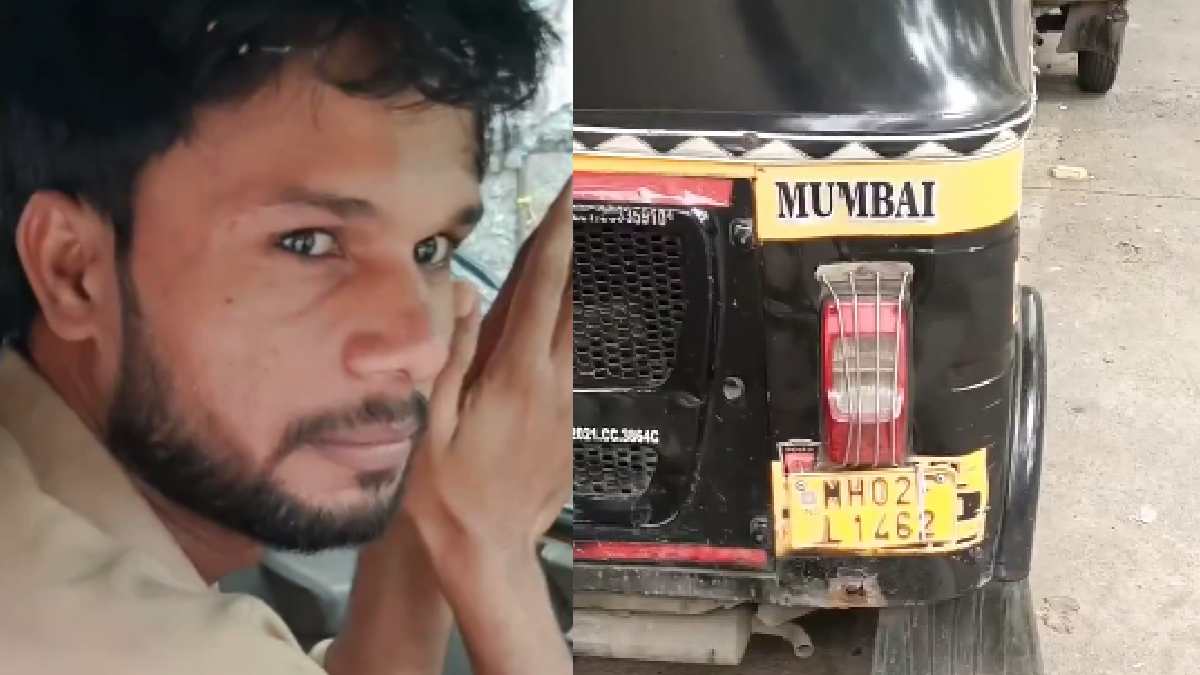
The driver appears distraught, his face anguished, and says he’s from a village and has very little access to education. He came to the city to work hard and earn enough to pay for food and basic needs for his family, he said. He says driving an auto isn’t just a job it’s the source of his daily income.
In the video, he makes an emotional appeal for more time to learn the language. He wonders whether someone who has struggled with basic education can realistically be expected to become fluent in a new language immediately.
Many viewers have felt the pain of thousands of workers who migrate from villages and other parts of the country to find jobs in cities with little education and few resources and little training in the local language. They work in jobs that enable them to earn on a daily basis driving, construction, delivery work and other forms of informal work.
However, language is complicated and not a simple issue of supporters and opponents of Marathi. Learning a language as a state’s language and culture and understanding the local language can help workers communicate better with passengers, customers and authorities.
At the same time, there are questions about how such a plan is implemented and how well workers are given enough time and training and clear information in this regard before penalties are imposed.
Even a fine can be a big financial hit for someone earning a daily wage; the person’s ability to support his or her family might be severely affected.
The video has therefore prompted a wider question
Look at the pain in this auto driver’s eyes.
— Ankit Pandey (@iamankitpande) August 20, 2026
According to the video, he is sitting in his auto in tears, afraid that his licence could be suspended and he could be fined. He is scared to even go out and earn his daily bread.
He says, “We come from a village. We could barely… pic.twitter.com/8UUX5SvBEr
Can language learning and livelihood protection be balanced
Instead of treating language as a barrier to employment, regulators should consider practical steps to move people from one language to another at a reasonable time and with cheap language classes and clear communication about licensing requirements. If they did, workers could learn the local language without immediately hurting their income.
The emotional response to the auto driver’s situation also underscores a much bigger problem in India’s rapidly surging cities. Millions of people move for work and getting used to a new environment takes time. For many, the priority is more about earning enough money to live.
The debate should therefore go beyond language vs livelihood. A city can encourage respect for its language and also be a place for those that are most vulnerable workers to be given a fair and just opportunity to adapt.
The driver’s tears have made one thing clear: behind every rule is a human being whose livelihood may depend on it.