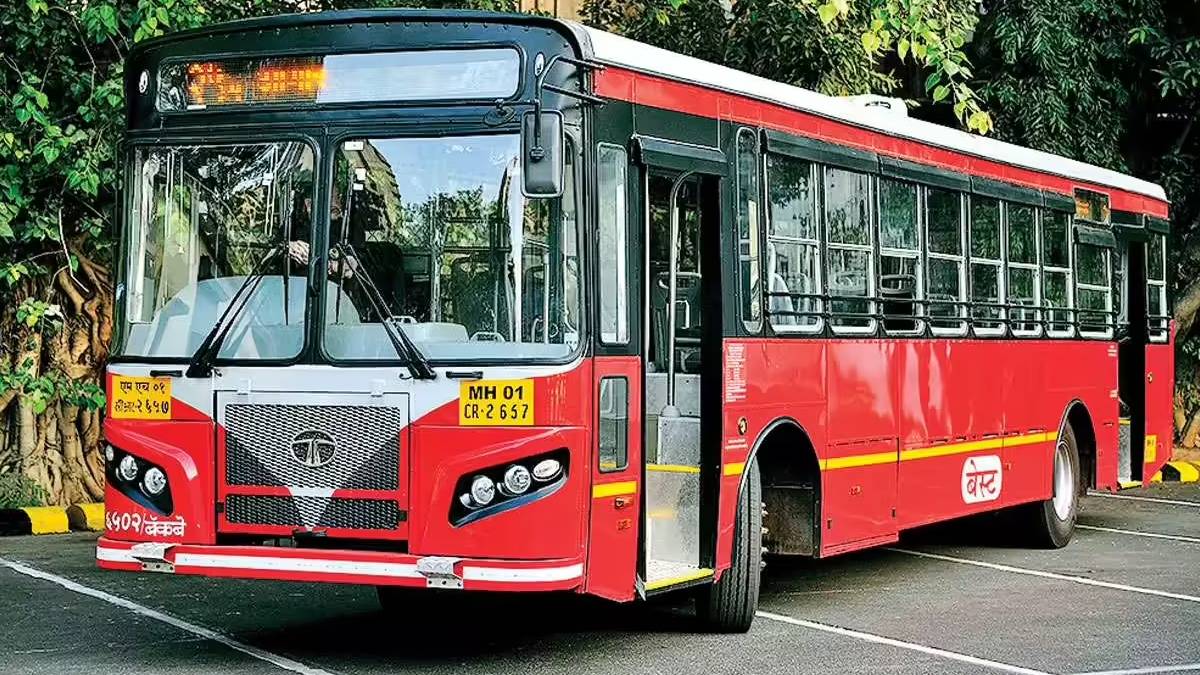
India has proposed a significant policy change that could extend the permissible operating life of some green commercial vehicles, perhaps allowing battery-powered, hydrogen-powered, and natural gas-powered vehicles to remain on the road for an additional five years.
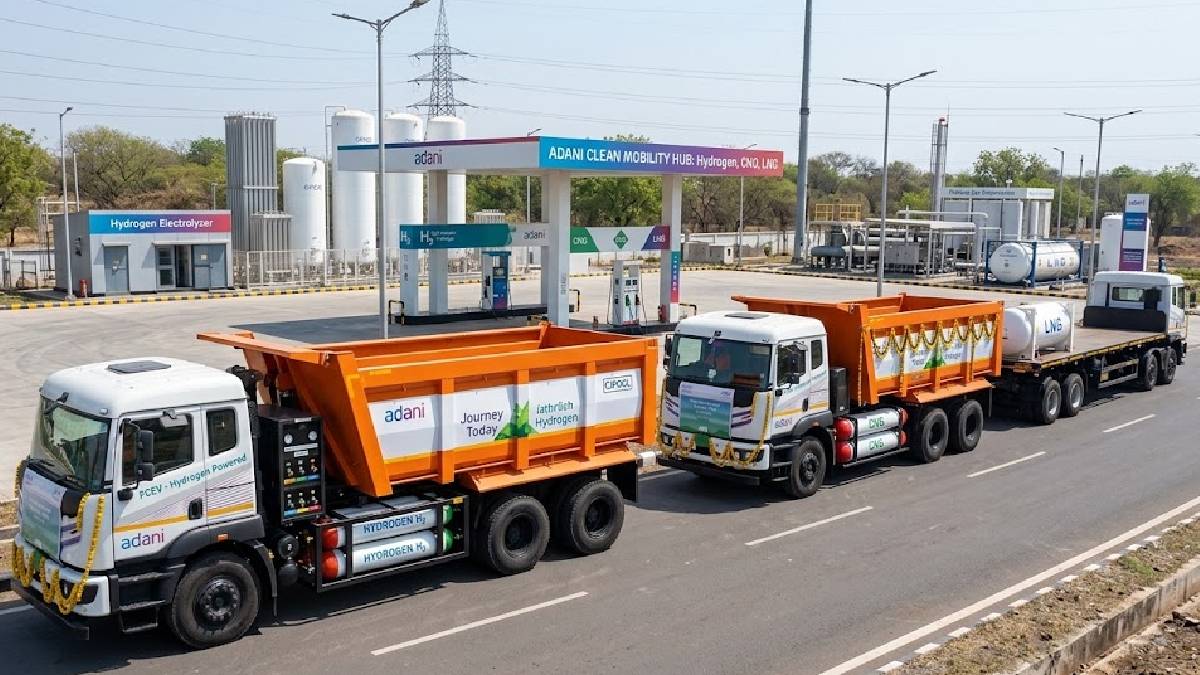
Under the proposal, the current age limits for eligible commercial vehicles could be extended by 5 years. Vehicles currently under 12-year and 15-year restrictions would have operating limits of 17 years and 20 years, respectively.
The proposal would be highly beneficial for India’s commercial transportation industry, and it would also be particularly relevant to operators who are slowly looking for cleaner alternatives to old petrol and diesel vehicles.
Commercial vehicles such as buses, trucks, taxis and other transport vehicles usually require significant upfront investment. Extending their permitted operating life would see owners able to use their vehicles for a longer period and possibly recover more of their initial investment.
The proposed change is also important in the context of India’s wider push toward cleaner transportation. Battery electric vehicles, hydrogen-powered vehicles, and natural gas-powered vehicles are being developed that are different from fossil fuel-driven transport.
Electric commercial vehicles are also being introduced in a variety of sectors, including city buses, delivery fleets, taxis, and other urban transport sectors. Hydrogen technology is also being investigated for heavier vehicles and long-distance applications where battery-electric solutions can be challenged in terms of range, charging time, and vehicle weight.
Natural gas-powered vehicles have already been used in India’s commercial transportation sector and are often promoted as a cleaner alternative to conventional diesel vehicles in some applications.
A longer age limit could also give fleet operators greater flexibility when operating them. For instance, rather than having to replace a vehicle after the current age limit, an eligible vehicle could still be used for many years beyond the age limit (if it is fit and safe).
The proposal may also alleviate the pressure to invest large amounts of capital in the operation of new vehicles for transport. This is particularly relevant to small and medium-sized fleet operators, for whom the purchase of new commercial vehicles can be a very costly expenditure.
The proposal could also affect the economics of India’s vehicle-scrappage ecosystem. Vehicle scrappage policies are generally intended to encourage the retirement of older, less efficient and potentially unsafe vehicles. Extending the age limits for cleaner commercial vehicles would be a different approach by acknowledging the environmental characteristics of the vehicle’s powertrain.
However, the age of a vehicle is only one factor in deciding whether it remains suitable for operation. A vehicle's fitness, maintenance, battery condition, emissions performance where applicable, safety systems and roadworthiness would also be important.
Battery degradation could become critical in electric vehicles as they age. Commercial fleets carry far more kilometres than private vehicles, so battery health and maintenance may have a big bearing on whether an older electric vehicle can continue to operate safely and efficiently.
Hydrogen-powered commercial vehicles would also need to meet certain inspections and safety standards as the technology develops. Natural gas vehicles also need to satisfy safety and emissions regulations over their long duration of operation.
But the plan could also help fleet operators to take greater confidence in investing in cleaner technologies. If green commercial vehicles can last longer, the overall ownership economics could be more attractive.
The move also reflects the evolving nature of India's transportation policy. As it seeks to reduce emissions and boost cleaner mobility, policymakers are looking for ways to promote and continue to support alternative-fuel vehicles.
For consumers, a longer operating life could have some indirect benefits if fleet operators can distribute vehicle costs over the long term. However, the actual impact on fares, logistics costs and vehicle prices will depend on how operators react to the policy.
It is important to note that the proposed change is not yet a finalized policy. The existing age limits would only change if the proposal receives the necessary approvals and is formally notified.
If approved, the five-year extension would mark a transformation in India’s approach to older commercial vehicles by allowing cleaner-powered fleets more time on the road and would be in keeping with the growing transition in the country to alternative fuels.
The proposal ultimately aims to achieve two goals: maintaining vehicle safety and roadworthiness while encouraging investment in cleaner commercial transportation. If finalized, the move from 12 to 17 years and from 15 to 20 years could change the operating economics of eligible green commercial vehicle fleets in India.