Mumbai's public transport system is facing fresh uncertainty as workers of the Brihanmumbai Electric Supply and Transport (BEST) undertaking have started an indefinite hunger strike from August 18, demanding resolution of long-pending wage, pay-scale and financial issues.
The BEST Workers’ Union launched the agitation at around 11:30 am on Tuesday at its office near Kennedy Bridge in Opera House. Union general secretary Shashank Rao has said the hunger strike will continue until the workers’ demands are addressed.
The latest protest comes less than two months after a major BEST employees’ strike disrupted bus services across Mumbai. Although that earlier agitation was called off after government intervention and assurances, several key issues remain unresolved, the union said.
Pending wage settlements at the centre of protest
Among the key demands are wage settlements for the 2016-2021 and 2021-2026 period. Workers are also seeking implementation of the Seventh Pay Commission recommendations and pay scales comparable to those of Brihanmumbai Municipal Corporation employees.
The union also says it is concerned about wage disparities for workers employed through the wet-lease model. It is seeking equal pay for workers who perform similar jobs, as well as wage adjustments for those employees who are initially assigned as casual workers in BEST’s electricity department and then made permanent.
Demand for Financial Support to BEST
The workers’ agitation is also connected to BEST’s continued financial woes. The union has demanded immediate financial support for BEST in the BMC budget and has called for stronger financial support to enable the undertaking to retain and operate its own buses.
The issue is significant because BEST has been under increasing financial pressure in recent years and the proportion of buses operating under the wet lease model has grown.
BEST had projected a loss of about ₹2,439 crore for 2026-27 and sought financial assistance of ₹4,000 crore from the BMC. The civic authorities have suggested steps to increase BEST’s revenue and operational efficiency.
Retirement Dues, also a Major Problem
Retired BEST employees are the subject of the agitation. The union has demanded the payment of gratuity and other retirement-related dues.
At the June strike settlement, the government had assured that pending gratuity dues would be cleared in the current financial year. However, the union is still working to resolve retirement-related issues.
The strike had ended after talks between Maharashtra Deputy Chief Minister Eknath Shinde, Transport Minister Pratap Sarnaik and representatives of BEST workers. Permanent BEST employees were promised a monthly increase of ₹3,000 while wet lease workers would receive ₹2,000 until a new wage agreement was made.
But the union has maintained that these interim increases do not amount to the final wage settlement being sought by employees.
Possible impact on Mumbai Bus Services
The hunger strike could put more pressure on the BEST administration and the Maharashtra government to resolve the dispute. The immediate effect on bus operations remains uncertain as the union has not specified how many employees will participate in the agitation.
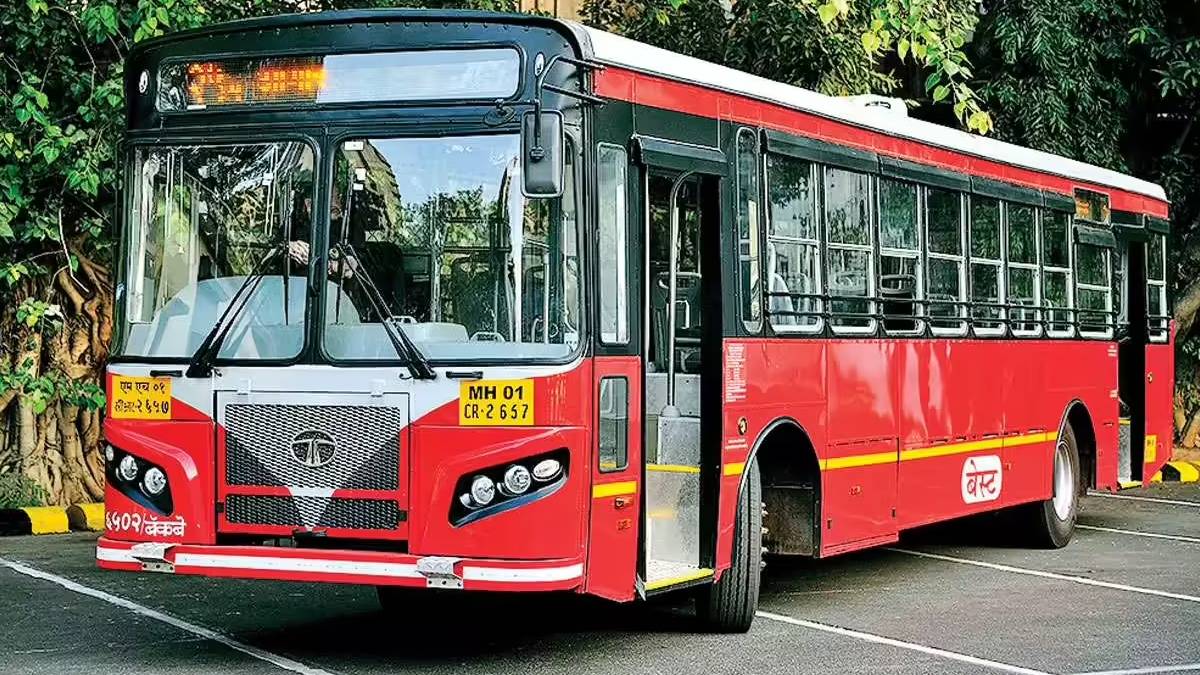
The BEST bus services are still crucial to Mumbai’s daily transportation system, which connects various parts of the city and the entire Mumbai Metropolitan Region. Any escalation of the hunger strike into a wider movement by workers could cause huge inconvenience for commuters.
For now, the BEST Workers’ Union has made it clear that it intends to continue the indefinite hunger strike until its demands are met. And with wage settlements, pay parity, financial support and retirement dues all being part of the dispute, the next few days will determine whether negotiations succeed or the protest becomes an escalator for Mumbai’s public transport system.