Kia will enter the premium SUV market in India with the launch of the Sorento on September 4. In India, as the flagship ICE SUV, the three-row model will be able to provide a combination of premium design, advanced technology, all-wheel drive and hybrid capabilities in a high-volume segment.
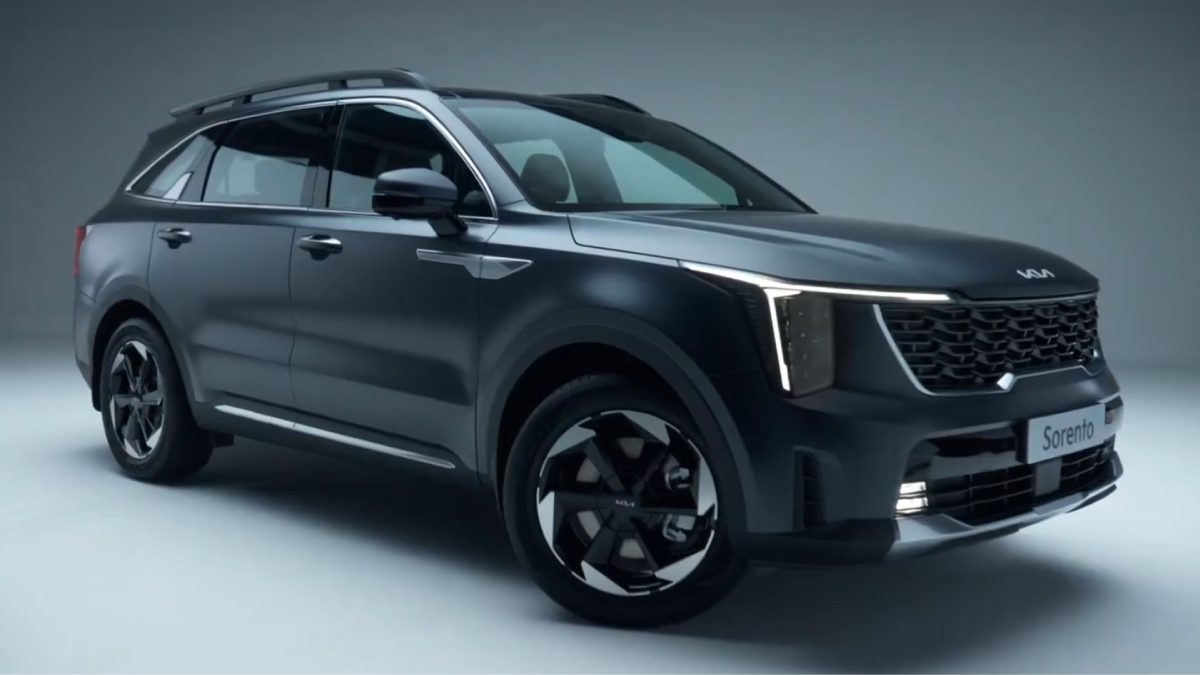
The Sorento will be a key step to Kia India's product strategy. The company has already become an established brand in the country with models in the Seltos, Sonet, Carens and so on but has never marketed a traditional flagship SUV over the Seltos. The new Sorento will fill that void and allow Kia to appeal to the more premium family SUV buyer.
Kia Sorento to target Premium Three-Row SUV Buyers
The Indian automotive market has seen a rise in demand for feature-rich SUVs, particularly among customers wishing to upgrade to mid-size SUVs and the Sorento should appeal to that segment. The Sorento is expected to appeal to them with its three-row configuration to the rear and premium cabin.
With a price range of 40 lakh-45 lakh, the SUV could compete with models like Skoda Kodiaq, Jeep Meridian and Toyota Fortuner on the market. It could also attract buyers in the entry-level luxury SUVs segment who want entry-level luxury SUVs, making pricing and positioning of the car key for Kia.
Unlike the more mainstream Seltos and Carens, the Sorento is going to be very premium. Its larger dimensions, sophisticated cabin and technology package are meant to offer a more upmarket experience without necessarily entering luxury-car territory.
Hybrid Powertrain Could Be Its Biggest Advantage
The biggest talking point coming with the India-spec Sorento is likely to be its hybrid powertrain. That SUV will likely have a 1.6-litre turbocharged petrol-hybrid setup with 235-238 bhp and 380 Nm of torque.
The hybrid system could give the Sorento a distinct advantage at a time when Indian consumers are turning to diesel-powered SUVs more and more. Diesel engines remain an attractive option to customers that want torque and highway efficiency, but hybrid technology is another approach to better fuel economy without the range and charging requirements of a fully electric vehicle.
For long-distance family trips, it could be just the case for the Sorento. The hybrid approach allows drivers to continue using the car much as they would for a regular petrol car, but it has electric assistance and efficiency.
The technology could also help Kia differentiate the Sorento from a number of established competitors in the market. With the great popularity of strong-hybrid vehicles from Toyota and Maruti Suzuki, India’s growing acceptance of hybrid vehicles, helped by strong-hybrid models such as those from Korea and Japan, could be favourable for Kia’s approach.
Premium Cabin With Advanced Technology
Inside, the Sorento is expected to be a technology-rich but practical cabin. Its equipment list is likely to include dual 12.3-inch displays, connected-car technology, a panoramic-style dashboard layout, 360-degree camera and advanced driver assistance systems (ADAS) package.
Kia's AI Assistant is another technology highlight expected to enhance the SUV's connected and digital experience. But the Sorento's promise is not only based on its technology.
And for family-oriented buyers, that means comfortable seating, visibility, storage space and flexible three-row accommodation will be key. So the interior of the Sorento is likely to be a blend of modern features and everyday usability.
The three-row configuration could also help Kia reach customers who want more space than a conventional five-seater SUV can provide but don’t necessarily want to jump into a luxury brand directly.
Kia Could Keep Sorento Volumes Limited
Kia may not initially target large sales numbers with the Sorento. The premium SUV segment above 40 lakh remains relatively small compared with the company's mainstream categories.
Instead, the Sorento could be a brand-building instrument. A flagship model can raise the image of the entire automotive portfolio and give the customer a better idea of what technologies and engineering are being built into the brand.
Kia already has the EV6 as a premium electric offering in India. Adding the Sorento would further broaden its premium portfolio and demonstrate that it is in a position to push beyond the value-oriented one.
Pricing Will Be Crucial
The Sorento is more than a little bit better in India but it will face competition in India. Toyota's Fortuner has a strong reputation and a loyal customer base; Skoda Kodiaq appeals to the European-looking and refined customers who are looking for European styling and refinement. The Jeep Meridian has its own mix of SUV credentials and premium positioning.
The competition will be more intense with entry-level luxury SUVs.
Because of this, Kia's pricing strategy may determine how attractive the Sorento is. Competitive pricing combined with meaningful localisation could make the hybrid SUV much more attractive. But if its price is too close to the established luxury brands, buyers may not be very inclined to opt for premium German alternatives.
A Strategic Launch For Kia India
The Sorento's India launch is important not only because it introduces another three-row SUV but also because it could mark a larger shift in Kia’s approach to electrified powertrains.
Hybrid technology is located between conventional petrol and diesel engines and fully electric vehicles. Hybrids can give customers a familiar ownership experience but less reliance on conventional power.
So the Sorento could be an important test for Kia’s hybrid strategy in India. If customers respond positively, the company could even look into other hybrid technology applications in the future product portfolio.
Finally, the Kia Sorento doesn’t need to be a high-volume seller to be successful. Kia could have a bigger role to play to be able to compete in the premium SUV market in India and bring more people into hybrid technology.
With three-row practicality, premium equipment, expected all-wheel-drive and turbo-petrol hybrid powertrain, the Sorento has several ingredients that could make it stand out. But in the end, the price, specifications and localisation strategy will determine if Kia can convert that potential into meaningful demand when it makes its India debut on September 4.