Kia is expanding its electric-vehicle portfolio with a new electric van that combines a large cabin, multiple seating configurations and a long driving range. Measuring around 5.35 metres in its longer configuration and offering space for up to 11 passengers, the electric van is aimed at customers that need practicality, passenger capacity and zero-emission urban mobility in a single vehicle.
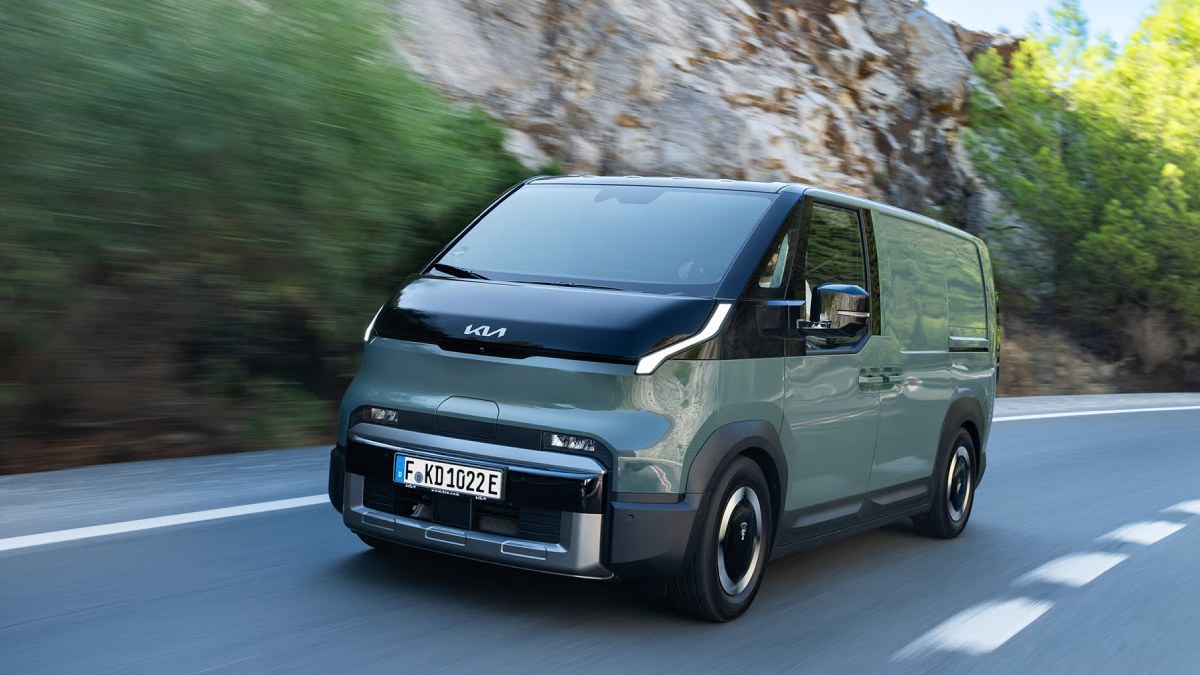
The new Kia electric van is part of the company's wider push into purpose-built vehicles, which is increasingly important as automakers look beyond conventional passenger cars. Purpose-built electric vehicles are developed for the many different applications (e.g., passenger transport, commercial operations and room flexibility).
The vehicle has an unusual capacity of 11 people with different body and seating configurations for large families and shuttle operators and businesses that need passenger transportation.
The vehicle has a considerable footprint at 5.35 metres long. Its large dimensions will give you more interior space and allow engineers to reduce the size of the cabin to be more user-friendly and accommodate passengers and luggage. On a vehicle that has a large number of occupants in mind, the need for efficient use of interior space is most important and for that reason Kia's electric-van architecture allows us to package the electric drivetrain without the mechanical requirements of a combustion-powered van.
Another big talking point is the claimed driving range of up to 460km. Range remains one of the most important aspects for buyers of electric vehicles, and the range to be discussed in terms of customers for commercial drivers who may spend hours on the road every day, and in the end for many customers, and it is one of the main reasons they would prefer to buy electric vehicles. A range as high as this will likely make the van suitable for a range of urban and inter-city use but the actual range will be dependent on the load of passengers, driving situation, temperature, road speed, road traffic and heating or cooling system used by the vehicle.
The electric powertrain also benefits battery-powered vehicles: quiet operation and no tailpipe emissions. For passenger transport operators in cities, these characteristics will be even more important as governments and urban authorities push for cleaner mobility options.
Kia's entry into the electric van segment reflects the large scale transformation in the automotive industry. Electric vehicles have been primarily developed for passenger cars and SUVs but now manufacturers are also moving toward electric commercial vehicles, vans and people movers. These larger vehicles can be well served by electrification given that they often run on regular routes and can be quickly re-hired to a depot/charging spot.
The large interior and multiple seating options will likely be among the vehicle's biggest selling points. For airport shuttle services, hotels, tourism operators and others that transport groups of passengers an 11-seat configuration might appeal to them. But alternative configurations might be more suitable for businesses with more cargo or flexible passenger-and-load arrangements.
The vehicle’s design also shows how electric architecture is changing the way van packaging is perceived. With fewer traditional drivetrain components to put in place, manufacturers can redesign the positioning of mechanical systems and maximize the cabin space. That could allow more flexibility with body lengths, roof heights, seating arrangements, etc.
But range and seating capacity are only part of the equation for commercial customers. Charging infrastructure, battery durability, operating costs, purchase price, service support and availability of different configurations will also affect the practicality of the vehicle. These are particularly important for fleet operators and the downtime and running costs can have a direct impact on business operations.
When we talk about 460km range it should also be taken as a manufacturer-provided figure and not real driving distance. Bigger vehicles with more passengers may consume more energy, especially on the highway or under heavy loads. Actual performance will be determined by how the vehicle is used.
Kia’s new electric van, however, is an interesting addition to the growing electric commercial-vehicle market. With a length of approximately 5.35 metres, seating capacity of up to 11 passengers and a claimed range of up to 460km, it is all about versatility and passenger-centric practicality.
As electric mobility expands beyond conventional cars, vehicles like this could play a more important role in commercial transportation and shared mobility. Specific details about markets, pricing, charging specifications and availability will determine how widely the new Kia electric van can compete with existing electric commercial vehicles.
For now, the large cabin, multiple seats and 460km range make Kia's electric van an interesting addition to the global electric van ecosystem.