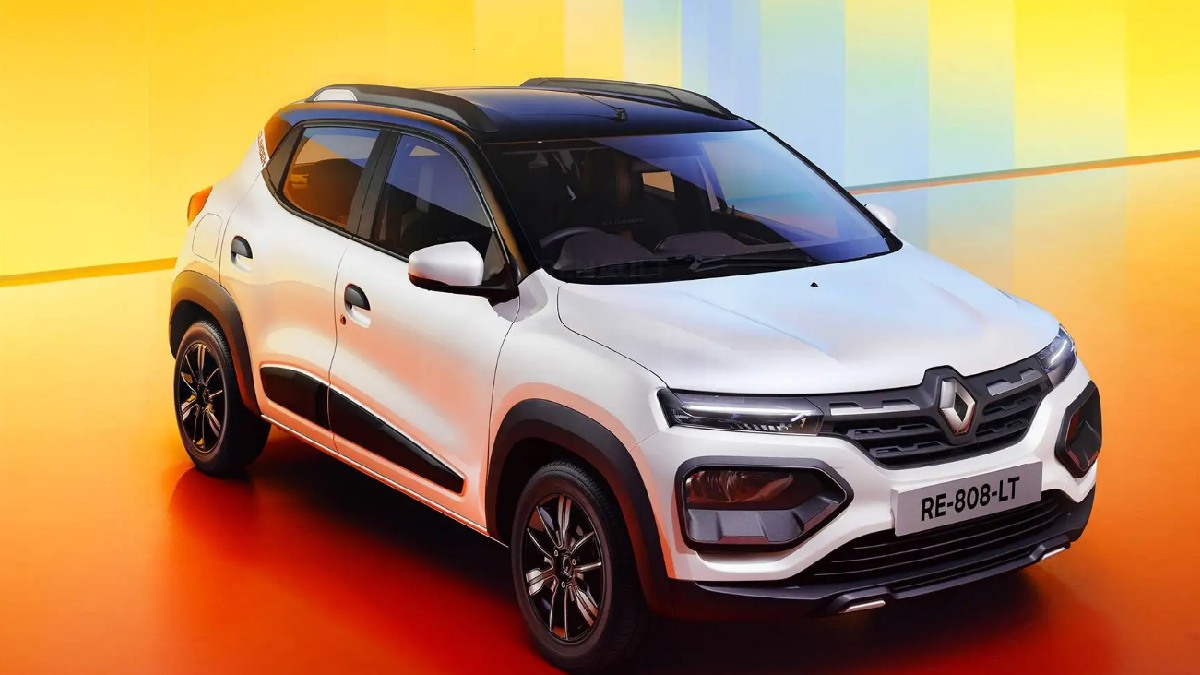
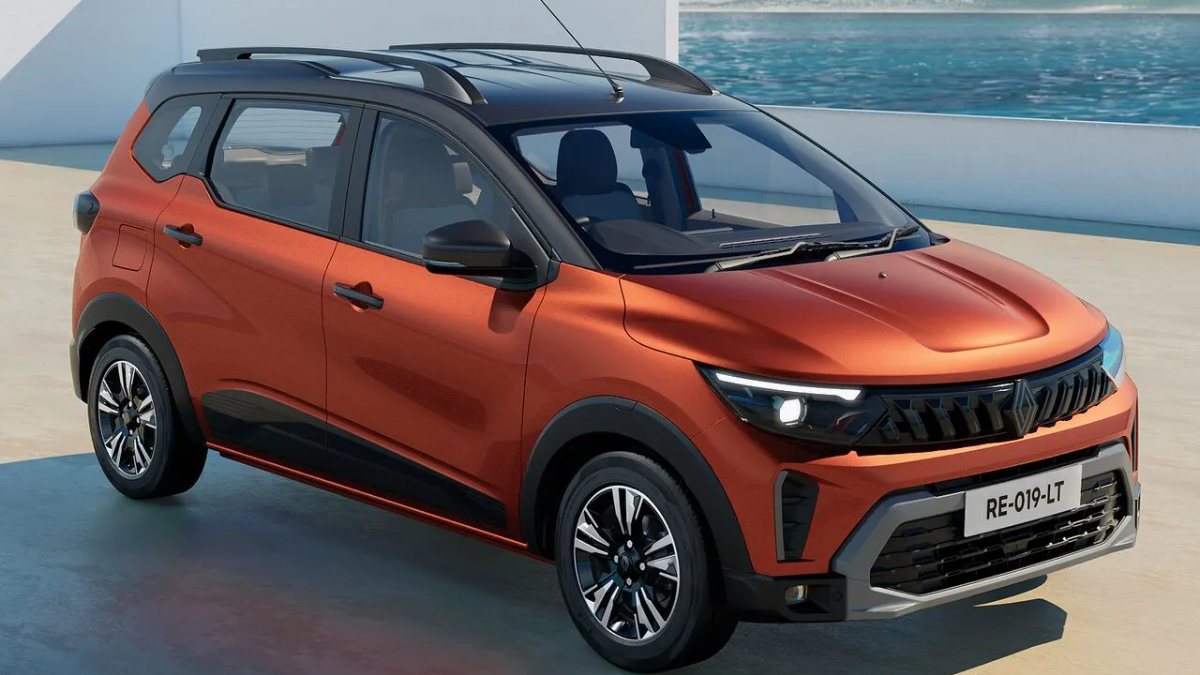
French Renault has returned to profitability in an increasingly competitive global automotive market in which Chinese electric vehicle (EV) manufacturers are rapidly taking the lead. The company’s improved financial performance is because of its strategic stance on electric mobility, disciplined cost control and increasing number of high-value vehicles, in the face of competition from low-cost EV competitors.
The global automotive industry is undergoing one of its biggest transformations in decades as governments tighten emission standards and more and more people take up electric vehicles. This has intensified competition between traditional carmakers and emerging EV companies, with China as the most prominent source of new manufacturing capacity, technological innovation and international export.
Renault’s recent financial results also indicate that this long-term restructuring strategy has begun to pay off. To get the business done (and accelerate electrification), the automaker has been streamlining operations, focusing on profitable models and investing more in electrification and not in a financial sense but instead it has been more efficient and less wasteful in the future of what it is producing.
Renault’s turnaround is largely due to its growing electric and hybrid vehicles line-up. The company has invested heavily in developing next-generation EV platforms, battery technologies, and software capabilities to stay competitive in today’s mobility landscape. Some of Renault’s newer electric models have received positive sales responses in Europe, where the need for cleaner transportation is increasing.
Renault has been expanding hybrid vehicle offerings in addition to conventional internal combustion engines to fully electric mobility, in order to achieve a balanced product strategy.
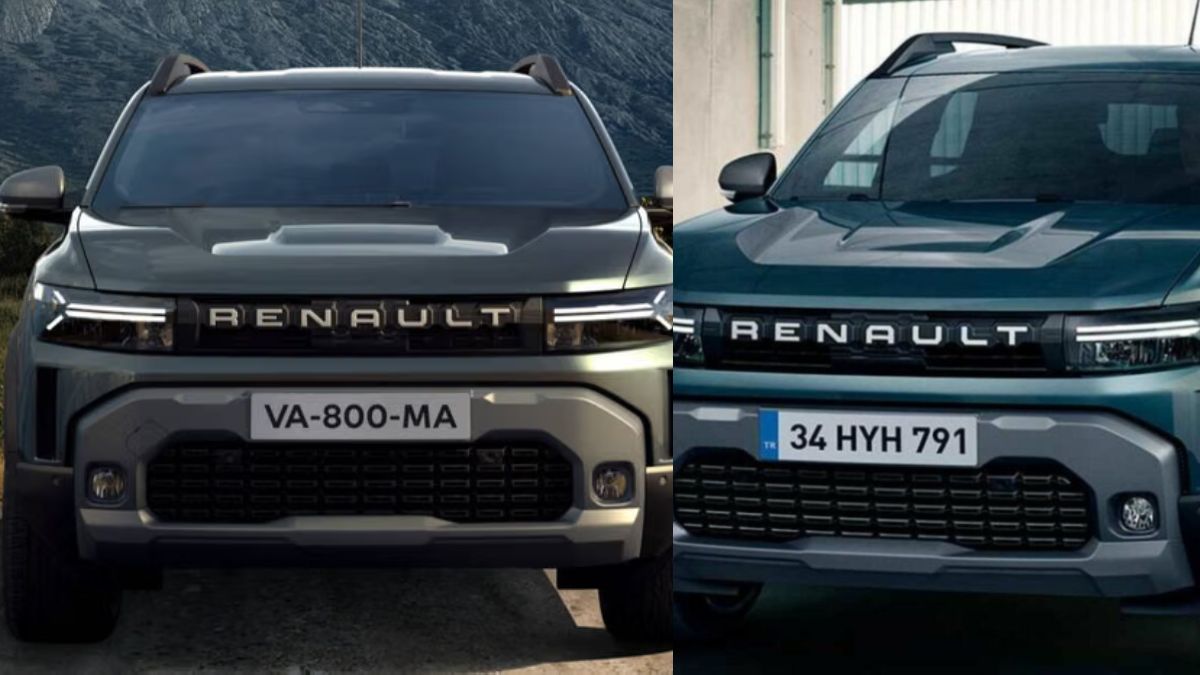
Still, despite these positive developments in the environment, the competition is tough. Chinese EV manufacturers are now formidable players who offer high-tech vehicles at very competitive prices. Chinese companies have aggressively entered European and world markets as well thanks to their scale of manufacturing, battery supply chain and continuous quality improvement of electric vehicle technology.
Industry analysts say the increasing number of Chinese brands is forcing the established automakers such as Renault, Volkswagen, Stellantis and others to accelerate product development and keep costs under control. Competition is intense in the EV category with companies looking to get a higher price point (more range, more digital features and more) and more attractive pricing.
Instead of price wars, Renault is focusing on premium value rather than engaging solely in price wars and the focus on premium value is the strategy. It’s also investing in design innovation, connected vehicle solutions, sustainable manufacturing practices and customer experience improvement in order to create a difference between its products. It is the management’s belief that profit margins will need to be maintained as well as technological advancement will be important to survive.
Another factor that has helped Renault improve its financial performance has been operational efficiency. The company has put in place cost-saving measures for manufacturing, procurement, and supply chain and improved production capacity. These measures have helped to alleviate the inflationary pressures in the market of raw materials and fluctuations in raw material costs that are still prevalent at an international level that are affecting the global automotive industry.
Renault has also developed strategic partnerships in battery production, software development and electric mobility infrastructure. Partnerships with technology companies and industry firms will facilitate the development of new car platforms while lowering the cost of development.
But the rest of the automotive sector is still very much in the dark now due to changing consumer demand, changing consumer trends, political climates, evolving trade policies and supply chain dynamics and supply chain issues. Renault is hopeful about electric cars in the future, as governments in Europe still offer incentives and tighter emissions laws in the long run for cleaner transportation.
Profitability is now an increasingly important metric for automakers making the EV transition, experts say. Fast growth and market share are important, but investors are looking for companies that can generate sustainable profit and also invest in future technologies.
In the future, Renault expects to continue expanding its electric vehicle portfolio, strengthen its software capabilities, and improve manufacturing efficiency. It also aims to increase its presence in key international markets while adapting to changing consumer preferences and regulatory requirements.
Renault’s revival to profit shows the need for strategic transformation in today’s automotive business. Although competition from Chinese EV manufacturers is still high, Renault’s disciplined strategy on electrification, innovation and operational efficiency shows traditional carmakers can be competitive in the global market and still move to sustainable mobility.