Tata Motors will increase its passenger vehicle prices by up to ₹25,000 from September 1, 2026, and that will increase the cost of buying a Tata car in India. The revision will affect customers who will buy a Tata Motors passenger vehicle from September onwards, so prospective buyers should know the ex-showroom prices for their purchase.
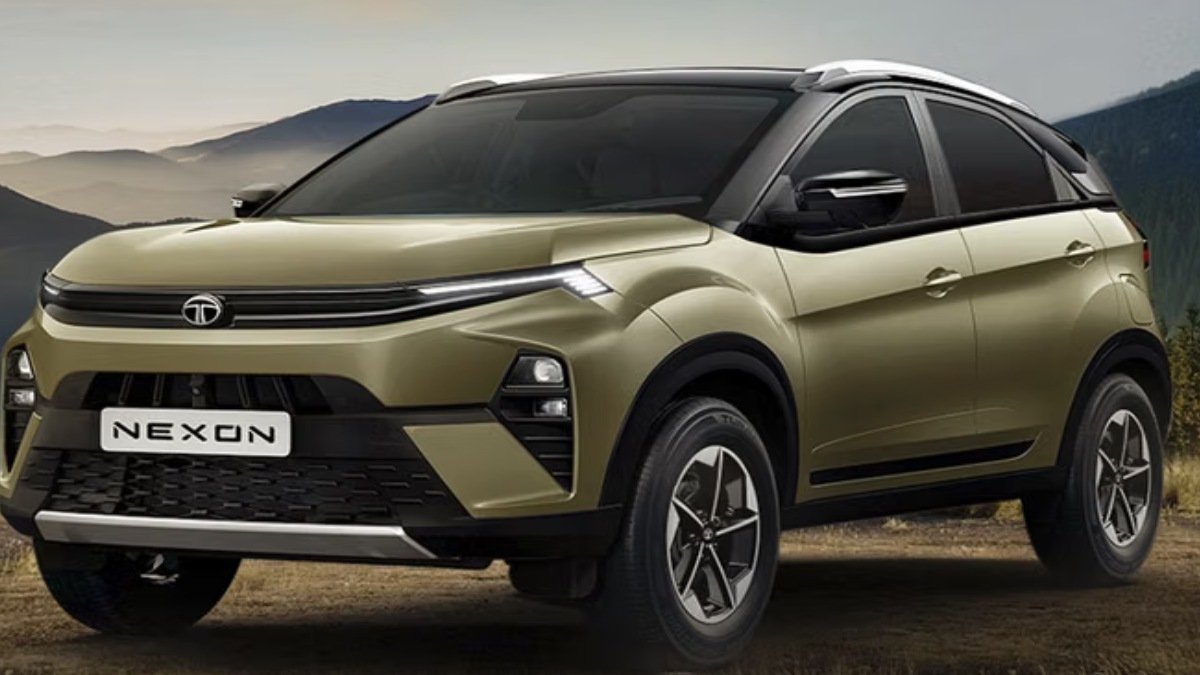
The price increase follows vehicle manufacturers adjusting their prices based on input costs, operating costs, currency movements, regulatory requirements and broader business conditions. The exact impact on Tata Motors is not in a set of models and variants but the maximum increase announced by Tata Motors is ₹25,000. So Tata car buyers should not expect to see every Tata car to be costlier by the full amount.
Tata Motors has a very broad portfolio of passenger cars across petrol, diesel, electric and other powertrain options. Popular models include Punch, Nexon, Altroz, Tiago, Tigor, Curvv, Harrier and Safari and electric versions of some of these vehicles. The company is growing aggressively in India with various price segments from small hatchbacks and SUVs to large premium sport utility vehicles.
If you are already considering a Tata car, the price change on September 1 will affect the timing of your purchase in terms of when to buy one. Anyone who has already made the relevant purchase and has paid the new price before the new prices come into effect may be able to escape the new price. Sales representatives should verify the price with the authorised Tata Motors dealer (and not the price at initial booking) rather than just the price on the booking page in advance.
Price adjustments in automobile companies are relatively common and can happen several times depending on the market condition. Manufacturers constantly reassess their pricing model for balancing demand, production costs and return. A slight rise can affect the buyer’s overall budget as the final on-road price includes registration charges, insurance, taxes and other costs in addition to the ex-showroom price.
The price hike at Tata Motors will therefore be closely watched by consumers in the compact SUV and electric vehicle categories. Tata Motors products like the Punch and Nexon are now integral to the company’s product range and larger SUVs are designed for buyers looking for more space and features. The actual hike of each model and variant will indicate how much extra money customers need to invest.
Tata Motors has a huge presence in India's EV market. The electric portfolio of the company has already brought EVs to the mainstream passenger vehicle market, particularly in the urban markets. A price hike might affect whether or not buyers choose electric vehicles as opposed to petrol or diesel vehicles.
For buyers who finance their purchase with a car loan, a higher vehicle price could also marginally increase the amount borrowed and affect monthly instalments. The impact will depend on the size of the down payment, loan tenure and interest rate. So customers should look at the full on-road cost rather than just the headline price increase.
So, Tata Motors will have to price on a very high level for sales to get competitors, and that price will play a crucial role in pricing in different segments. India’s consumers are already hyper-aware of vehicle price.
But the ₹25,000 maximum increase should be viewed as a ceiling rather than a uniform hike across the entire range. The exact amount appropriate for a particular model or variant might differ. Customers should consult the revised price list from September 1 and speak to authorised dealers for accurate details on their preferred vehicle.
Other factors beyond the immediate price difference should be considered for prospective buyers. Offers, exchange benefits, financing schemes and dealership-level promotions can sometimes affect the effective purchase cost. Availability and waiting periods may also affect the final decision, particularly for popular variants.
The forthcoming revision makes it more important to check the latest price information before purchasing a vehicle. A customer who has already selected a Tata Motors model should compare the current and revised prices, confirm the booking terms and when the new pricing will apply to their transaction.
With the price increase coming into effect on September 1, 2026, Tata Motors customers will have only a short window for considering their options before the new prices take effect. At the very least the maximum increase of ₹25,000 may seem small in comparison to actual costs of a car, but to the buyers with a budget the increase can be worth it.
The price hike will ultimately depend on the model and variant that customers choose. Based on prices in September, Tata Motors dealerships will provide customers with new pricing information. Buyers should check the ex-showroom and on-road price for their chosen vehicle when making a final decision.