Punjab witnessed shutdown protests as groups and supporters stepped up their demand for the release of Sikh prisoners who, according to the protesters, have been in jail for years and still have not been released despite completing or exceeding their sentences in some cases. The bandh and demonstrations brought attention to an ongoing problem that has periodically triggered protests across the state.
The protests were rooted in the demand that the authorities revisit the cases of Sikh prisoners and take the appropriate steps for those who are eligible under existing laws and remission provisions to be released. Those who have served their sentences should not be held in jail, and the government must review the cases for which they have been arrested, activists argued.
Several areas witnessed demonstrations as supporters raised slogans and sought government intervention. The shutdown was intended to bring public and political attention to the issue, and organisers appealed to the public to support the demand and to take part peacefully. The protests also highlighted the emotional and political sensitivity of cases involving Sikh prisoners.
For years, the issue of Sikh prisoners (known as "Bandi Singhs" in the Sikh community) has been a major concern for several groups of Sikhs. Many Sikh organisations have long called for the release of prisoners they feel have served their legally prescribed terms. They also wanted more clarity from government and prison authorities regarding remission applications and other legal procedures.
The demand is also based on legal and constitutional frameworks; those who back it say the matter should be addressed through that framework. They say the long-term jail terms after the completion of a sentence raise questions of fairness and equal application of the law. But, of course, the court orders, prison rules, remission policy, and a host of other things have to be taken into account by the authorities for everyone involved.
The bandh also takes place against the background of ongoing political discussions in Punjab regarding Sikh identity, religious institutions, prisoners, and government action. Political parties and community organisations have often taken different approaches to releasing prisoners, and this has always been very much part of public discourse in the state.
During the shutdown, there was a lot of attention on the effect of the protests on daily life. Markets, shops, and other businesses can be affected when bandh calls are held. Law and order are maintained by the authorities during such protests, and essential services are not interrupted.
Protest organisers have stated that they want the government to act on the prisoner-release issue and not provoke unrest. The response from the administration will remain essential, as the protesters’ demands are combined with legal procedures and public-order issues. The government’s response will be a key factor.
Sikh prisoners’ demands for release have been around for decades and have been represented by protests, rallies, hunger strikes, and other forms of protest. Families of prisoners and Sikh organisations have long been seeking the help of the government, especially when they believe prisoners are locked up for decades.
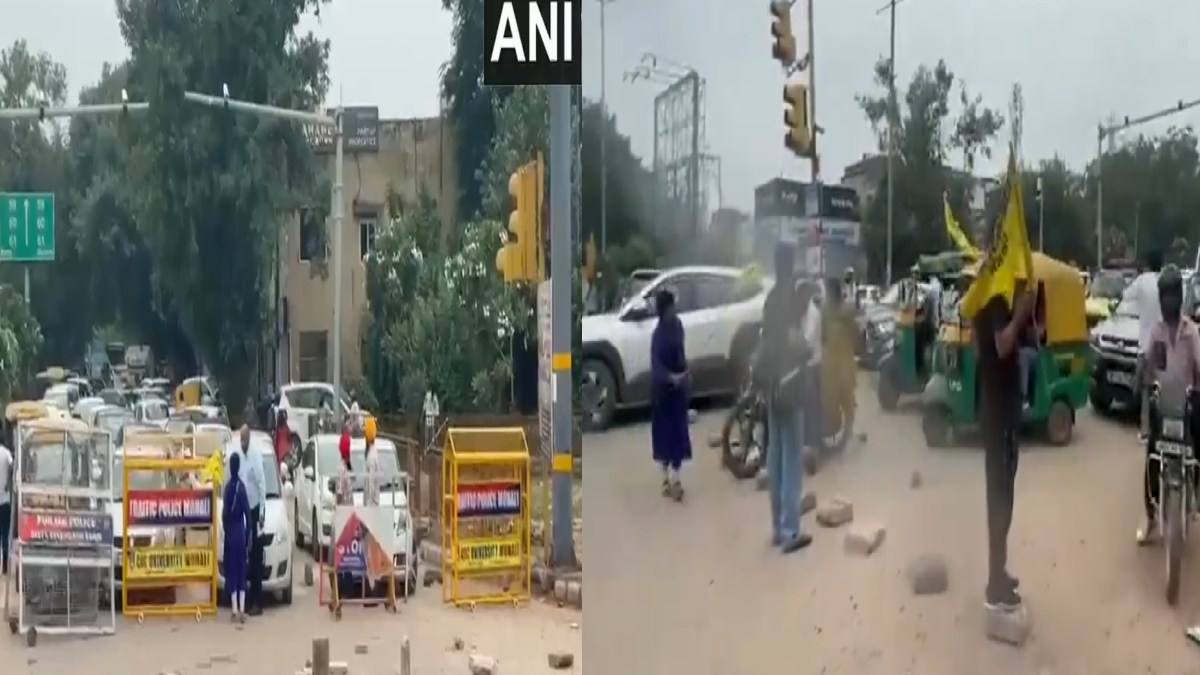
#WATCH | Mohali, Punjab | The impact of the 'bandh' called by Qaumi Insaaf Morcha over their demand for the release of Sikh prisoners is seen at a city traffic intersection in Phase 7, where a few Sikhs supporting the shutdown attempted to block the flow of traffic and stopped… pic.twitter.com/1JHXwO1GZM
— ANI (@ANI) August 21, 2026
The shutdown has once again brought up the issue and motivated people to ask the authorities to examine the cases of eligible prisoners. Will the protests lead to further discussions between the government and Sikh organisations, and what is the best-case scenario?
But the Punjab bandh has put the demand for the release of Sikh prisoners back in the spotlight, and their demands for tangible action and clarification by the authorities will not go unanswered. Political parties, Sikh organisations, prisoners’ families, and the rest of the country will be closely watching the developments as long-term incarceration and remission are discussed.