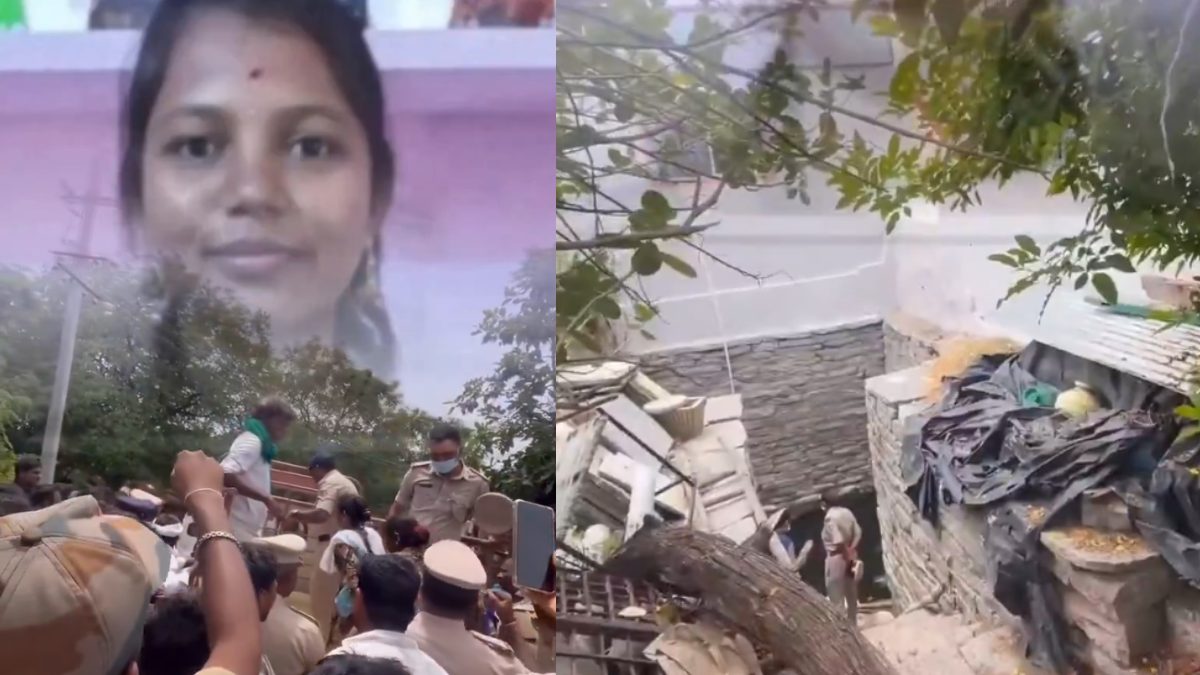
A black-flag motorcycle rally organised by the Khasi Students’ Union (KSU) in Shillong, Meghalaya turned violent on Wednesday, August 19, with many vehicles damaged, government vehicles set on fire and statues of Swami Vivekananda and Netaji Subhas Chandra Bose allegedly vandalised.
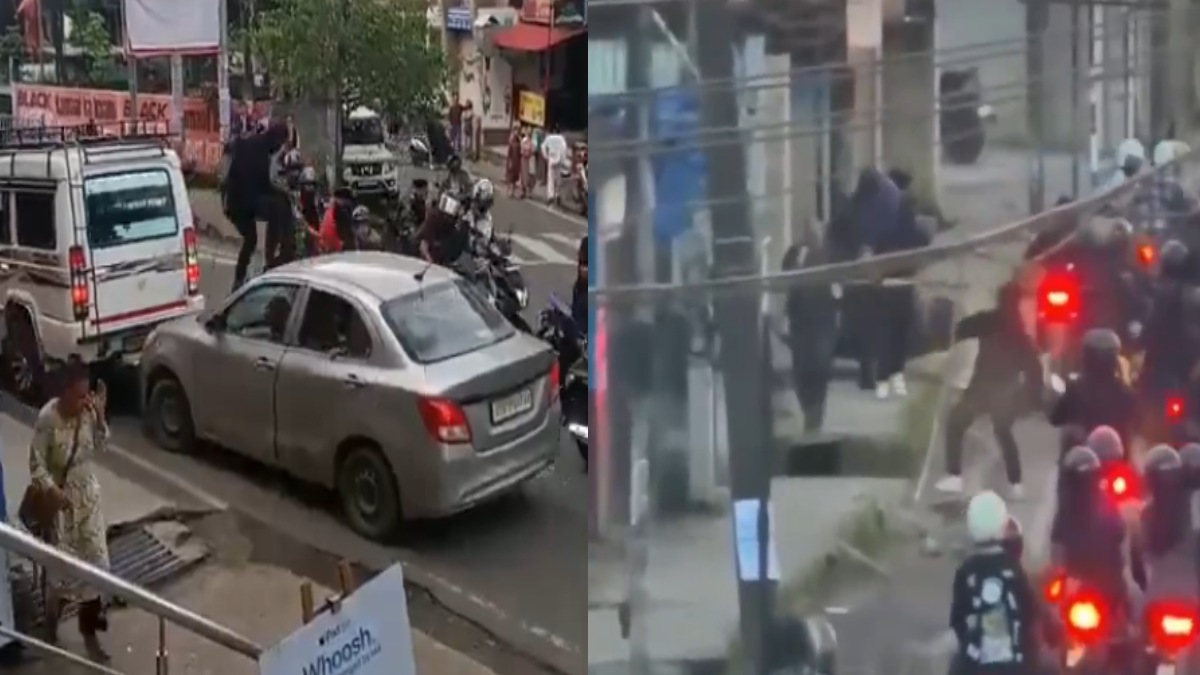
The violence has raised concerns for public safety and law and order in the state and the government is investigating the violence.
The rally was organized as part of the KSU’s ongoing agitation over a five-point charter of demands. The student organisation has been pressing the Meghalaya government to implement the Meghalaya Residents Safety and Security Act, improve recruitment processes through the Meghalaya Public Service Commission and District Selection Committees, and better control of migrant workers. The union has also raised concerns about recruitment at the North Eastern Indira Gandhi Regional Institute of Health and Medical Sciences (NEIGRIHMS).
The demonstration travelled through many parts of Shillong including Polo, Barik and Mawlai. There were reports of attacks on vehicles and damage to public property during the rally. Police said at least two government vehicles had been torched and several other vehicles were damaged. Some of the vehicles damaged were a police escort vehicle and a National Informatics Centre vehicle during the unrest.
One of the most striking incidents was the statues of Swami Vivekananda and Netaji Subhas Chandra Bose at the Relief and Rehabilitation Colony. The statues were vandalised during the disturbances, officials said. The colony was established for people who came from East Pakistan in the 1960s. The damage to the statues added to the unrest and was a source of more than the immediate disturbance of the rally.
The agitation had been building for some days before the rally on Wednesday. The KSU held public meetings in Shillong on August 17 and 18 after giving the state government a 15-day ultimatum over its demands. Meanwhile, after the government did not respond to their demands, the organisation announced the black-flag bike rally. The union has been unhappy with the public hearing for a limestone mining project proposed by Shree Cement in East Jaintia Hills which was not done properly and has sought to have it declared null and void.
The situation also has wider implications because some of the vehicles targeted in the violence were registered outside Meghalaya. Meghalaya Chief Minister Conrad K. Sangma spoke to Assam Chief Minister Himanta Biswa Sarma following attacks on Assam-registered vehicles and tourists. Both state governments agreed to work together to restore peace and normalcy in the midst of increasing tension between neighboring states.
The police and district authorities in the area have taken action on the incidents. Three senior KSU leaders—president Raymond Kharjana, vice president Pynkmenlang Sanmiet and general secretary Reuben Najiar—were arrested in connection with the violence, according to police reports. Assaults, vandalism and arson were also under investigation.
East Khasi Hills officials have also indicated legal measures might be taken to recover the cost of damage done to vehicles and public property during the rally. There were 16 confirmed incidents of assault and damage to vehicles and public property reported by officials.
The Meghalaya administration also revoked permission for a proposed KSU protest which had been scheduled for Friday after the violence. But officials said the conditions on initial permission had been breached and an investigation was being carried out. The move is an attempt to control further escalation and to keep the peace in Shillong.
The situation has also caused fears along the Assam-Meghalaya border. As Assam-registered vehicles were attacked in Shillong, transport companies in Assam blocked traffic on major points leading to Meghalaya. It has also increased the pressure on the authorities in both states to prevent the unrest from growing into a much wider battle between states.
Meghalaya: A black flag bike rally was organised in Shillong by the Khasi Students' Union on August 19, which turned violent, and multiple vehicles, including a few Assam-registered vehicles, were damaged. There were also reports of stone pelting. Statues of Swami Vivekananda and… pic.twitter.com/fITBEiMMCs
— Vani Mehrotra (@vani_mehrotra) August 20, 2026
However, the underlying issues raised by the KSU are also part of a larger discussion in Meghalaya about employment opportunities, recruitment practices, migration and protection of indigenous residents. Peaceful demonstrations are important forms of democratic expression but the violence of the Shillong rally has pushed the agenda toward protecting civilians, public property and essential transportation while allowing legitimate grievances to be addressed through dialogue.
The government will continue investigating the incidents and assessing individual responsibility for the damage and assaults. Political leaders have called for restraint and cooperation because there is so much tension in Shillong and between Meghalaya and Assam.