Tesla’s Cybercab is making its debut in Austin, Texas, and giving passengers a taste of a new generation of autonomous transportation at a big retail level. The electric robotaxi with no steering wheel has attracted attention in addition to futuristic cabin design and fares that can undercut Tesla’s existing robotaxi service and traditional ride-hailing options.
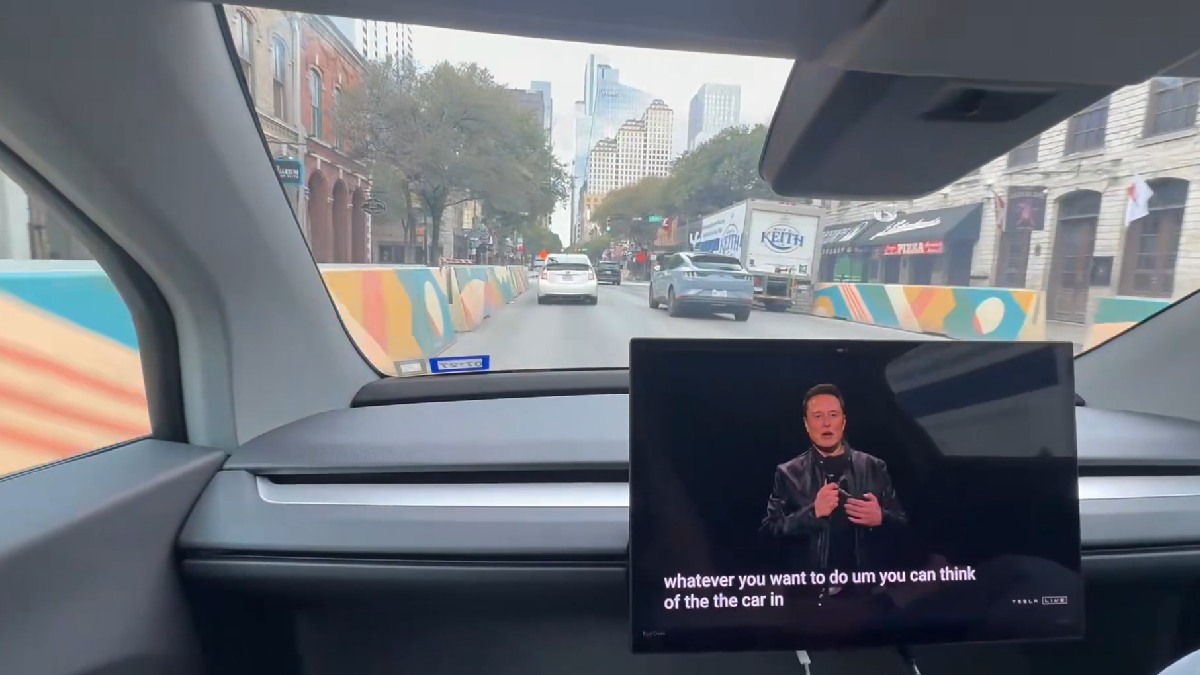
The Cybercab is an extreme departure from the traditional car. There’s no steering wheel and no driver-controlled controls, and all the interior is autonomous. A large 22-inch touchscreen is the center of the cabin, and passengers will get movies, music, and games during the drive. The ride should make it feel less like they’re driving in a car and more like a personal autonomous transportation service.
Austin early riders have been pleased with the experience, especially with regard to comfort. Ethan was pleased with the ride and said people like that they could relax and let their mind go to work without the need for a car driver to control. This is a first look at how people are going to react when autonomous cars take a bigger part of their daily lives.
Price is another big attraction. A 15-minute Cybercab journey can cost as little as $16.99, which is about 35 percent less than Tesla's Model Y-based robotaxis. And Tesla has the ability to position the Cybercab as a cheaper alternative to services like Uber, particularly for short trips around the city.
The lower fares will be one of the most important factors in determining whether autonomous taxis actually become popular with people. While passengers may find the novelty of riding in a driverless vehicle attractive at the start, it will be the cost that will ultimately decide whether they use robotaxis on a regular basis. If Tesla can be competitive and open up the marketplace, Cybercab rides may become a more realistic option for urban commuters.
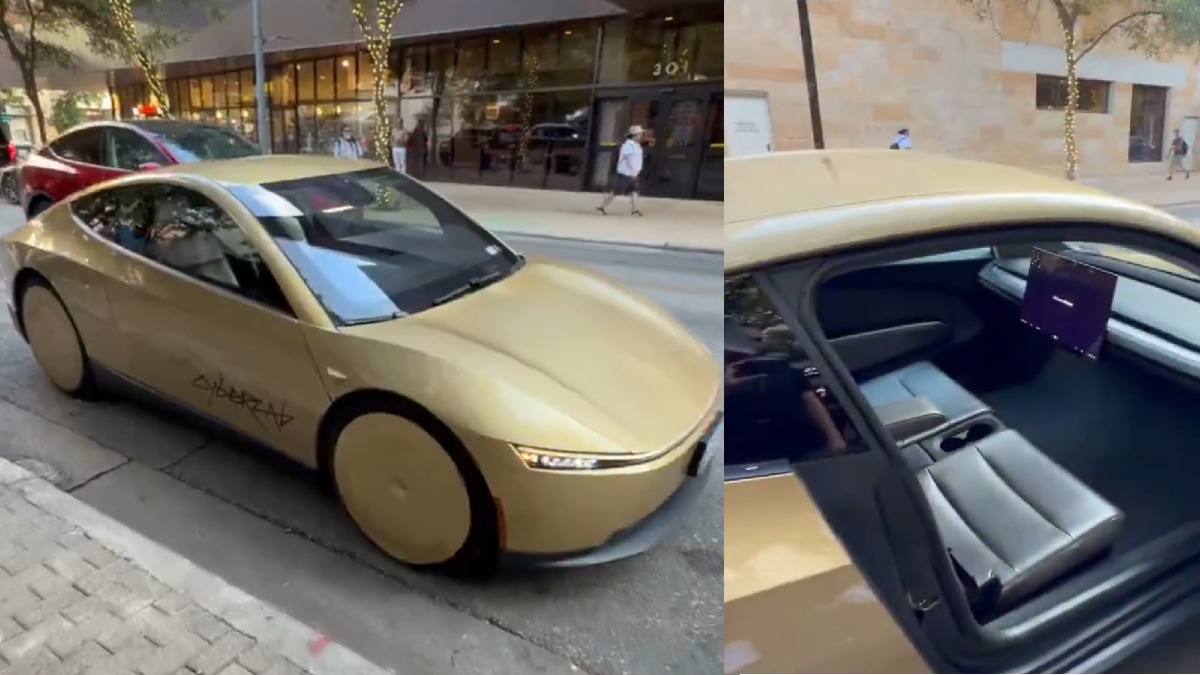
The two-seat configuration of the Cybercab, however, limits its appeal to larger groups. The Cybercab is more for solo travelers, couples, and trips where extra passenger capacity is not needed. Families and groups of three or more will still have to rely on bigger vehicles, and the Cybercab will not be suited for some types of travel.
Tesla’s approach is being watched by regulators too. They are also interested in Tesla’s self-certifying the car’s unusual controls, which could have wider implications in the advent of autonomous vehicles. Traditional automotive regulations are predicated on cars with familiar controls, steering wheels and pedals. Tesla’s decision to remove some of those raises questions that regulators will have to assess in what are autonomous vehicles built to run in autonomous mode.
Elon was right, Cybercab becomes your own mini lounge while you drive through the city and traffic. pic.twitter.com/Ei5cnfs8hP
— Zack (@BLKMDL3) September 5, 2026
As Tesla is attempting to grow its robotaxi business, the regulatory scrutiny comes at a critical stage in the company’s plan to go full on. The company has already made autonomous transportation a focal point of its future business model, with purpose-built vehicles like the Cybercab being at the center of that vision. Testing and feedback from passengers on the road in Austin could give Tesla access to data about ride comfort, pricing, and consumer confidence in Austin.
But to the riders, it seems very easy: a quiet futuristic vehicle that can make a comfortable journey without a human driver and perhaps be less expensive than other transportation options. The Cybercab’s combination of autonomous technology, onboard entertainment, and relatively low fares creates a unique identity in the fast-growing robotaxi market.
Tesla’s Austin trial is still in an early stage, and the long-term success of the Cybercab is still very much about regulatory approval, reliability, availability, and public acceptance. If Tesla can overcome that, the Cybercab could change the way people feel about short-distance transportation in the future. Austin riders are getting a taste of a future in which the traditional taxi might soon become a compact and autonomous vehicle that is designed entirely around the passenger experience.