The company also launched a shiny gold version of its Cybercab robotaxi in Austin, Texas, on Sept. 3 at a private invite-only event of about 400 people, which was attended by about 400 people - about half of them Tesla employees. The unveiling shed more light on Tesla’s vision of a fully autonomous vehicle to be able to drive fully autonomously, and that the journey itself is more comfortable and fun and more enjoyable.
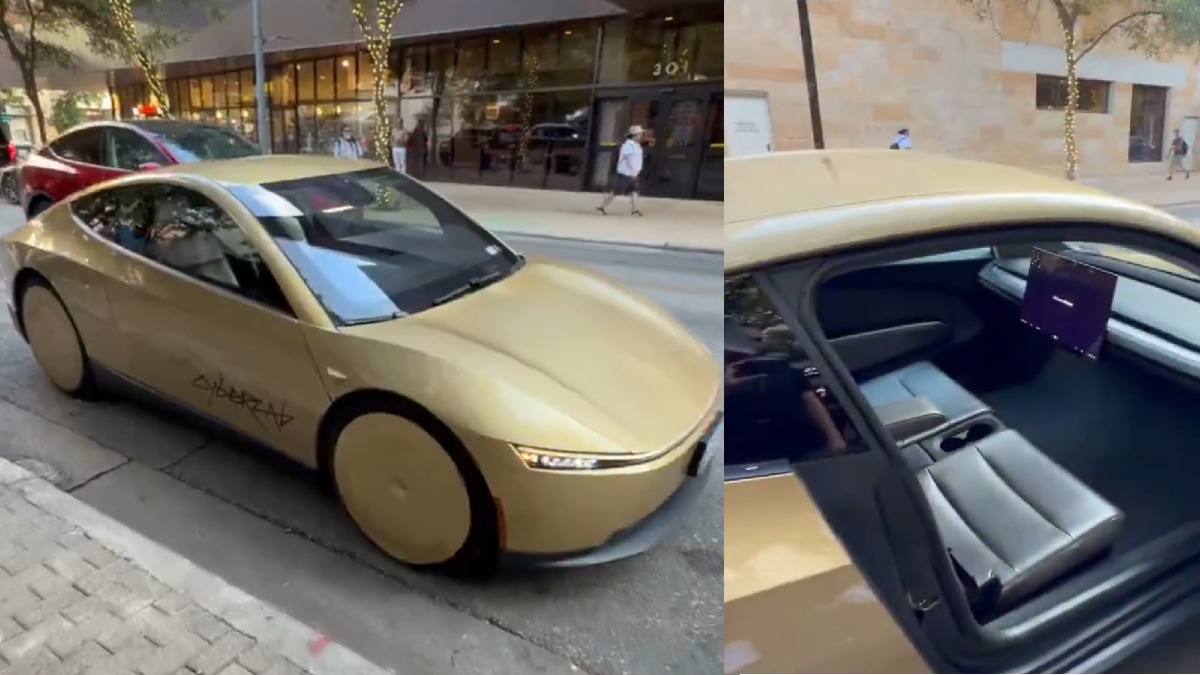
The gold Cybercab was instantly recognizable with its sleek, minimalist design and futuristic proportions. Unlike traditional cars that are designed around a driver’s position and controls, the Cybercab is based on passengers. It is a two-seat vehicle that doesn’t have anything to do with a traditional driving experience, and that is indicative of Tesla’s whole philosophy about autonomous mobility. The design is meant to create an environment where passengers can relax, interact with onboard technology and enjoy their journey without having to think about the road.
The Cybercab’s butterfly-style doors are the most distinctive visual touch point. The futuristic look of the Cybercab, together with the very unusual entry and exit of the passengers, adds a new level to the picture. Tesla has also taken a very minimalist approach in the interior, as the big 22-inch touchscreen is the central feature. The display is designed for entertainment and other purposes in the car, and it goes along with Tesla’s notion that autonomous transportation will change the way people spend their time inside a car.
The company is also taking connectivity as part of the Cybercab experience to a higher level of importance. The robotaxi will be equipped with Starlink V5 connectivity, which should help ensure seamless communication and data connection. Reliable connectivity will be critical for autonomous vehicles that rely on software, cloud-based systems and real-time information to provide services.
The future of transport is safer, more enjoyable & gives you more time back
— Tesla (@Tesla) September 3, 2026
With theater, music & gaming apps on a 22" touchscreen, Cybercab offers you a space to be productive or unwind
Soon to be equipped with V5 Starlink hardware, too, for complete connectivity pic.twitter.com/e0Xhvjky0E
More than 100 early riders who got to Austin said they enjoyed the interior of the car. There were seat adjustments and, in general, a very nice feeling inside. With passengers no longer required to concentrate on driving, Tesla is attempting to turn time into entertainment, relaxation or other activities.
Limited Cybercab rides also began in Austin on September 3, marking the first step in Tesla’s effort to move its robotaxi concept from demonstrations to real-world use. But the deployment is regulated with the full legal framework in place. Autonomous vehicles are highly regulated and regulators are still reviewing safety issues such as passenger safety, procedures, and how the technology works on public roads.
Tesla’s approach places artificial intelligence at the center of the Cybercab. The vehicle is built around full AI-based autonomy, fitting the company’s long-standing vision of vehicles that can drive on the road without human drivers. The success of that vision would depend not only on the hardware of the vehicle, but also on the reliability of its autonomous driving software in complex real-world situations.
Here’s my first full Cybercab ride. This vehicle is a game changer. pic.twitter.com/tfSxQFvhka
— Sawyer Merritt (@SawyerMerritt) September 4, 2026
The Cybercab also marks a major departure from Tesla’s preoccupation with transportation. Traditional vehicles are mostly planned around the idea that people will always sit at the wheel. Tesla’s robotaxi concept challenges that assumption by considering the passenger cabin as the center of the vehicle. With only two seats, a big entertainment screen and a design around comfort, the Cybercab is closer to a personal autonomous mobility pod than a conventional car.
So the Austin unveiling is more than a Tesla product; it is a demonstration. It is a glimpse of a future transportation model where passengers call in autonomous vehicles, enter a driverless cabin and let artificial intelligence take care of everything. How Tesla can scale this vision and get regulatory approval for it in a safe manner is unclear, but the gold Cybercab has been a tangible demonstration of the company’s ambitions.
As limited rides begin in Austin, attention will now turn to passenger experience, regulatory decisions and Tesla’s ability to grow autonomous operations. If the Cybercab can become an affordable commercial service from an experimental service, it could be a significant technological leap forward in autonomous robotaxis and in terms of how we think about what a daily journey inside a vehicle can be.