Still one of the top electric vehicle (EV) manufacturers, Tesla’s financial performance is indicative of a fundamental change in business model.
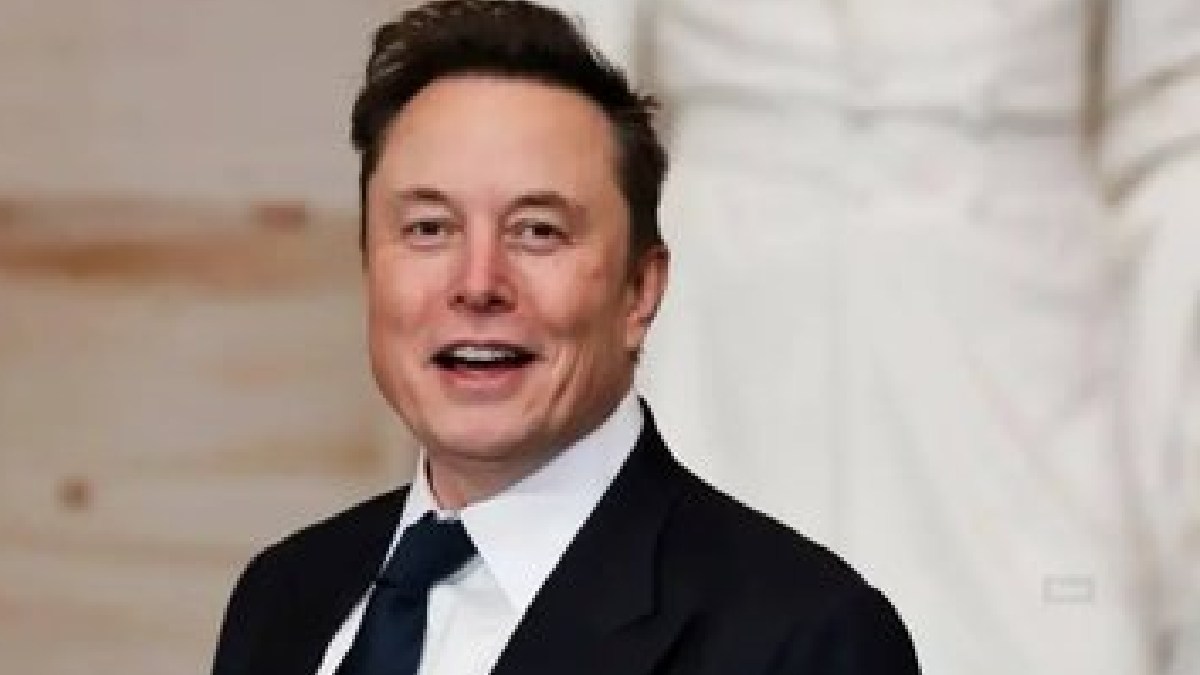
Tesla is selling more cars but Elon Musk is investing his money into artificial intelligence (AI), autonomous driving technology and robotics.
The company’s recent earnings show that increasing vehicle deliveries alone is no longer enough to maintain strong profit margins. Tesla is now balancing lower vehicle prices with billions of dollars of AI-related spending, a decision that could change the course of the company’s future.
Why are Tesla’s profits evaporating
One of the main reasons for Tesla’s declining profits is its pricing strategy. Tesla has been lowering prices for different models for years to remain competitive in the rapid growth of the EV market.
Lower prices have attracted more customers and kept sales volumes high, but they have also reduced the amount of profit Tesla makes on every vehicle sold. Competition from Chinese automakers, traditional car manufacturers, and emerging EV brands has forced Tesla to be very aggressive in pricing.
At the same time, production costs, research expenditure and operating expenses are still high, and further pressure on earnings.
Musk's AI Vision
Elon Musk has made it clear that Tesla is evolving beyond an electric car company. The future of Tesla is AI, self-driving technologies, robotaxis, and humanoid robots, he believes.
Tesla is investing a lot in:
- Full Self-Driving (FSD) software
- AI training infrastructure
- Dojo supercomputer
- Robotaxi platform
- Optimus humanoid robot
- Advanced neural networks
These projects will take billions of dollars in research and development before they can actually create revenue.
Short-Term Pain, Long-Term Strategy
For investors who are obsessed with quarterly earnings, a lot of AI investment costs can appear expensive. Research spending cuts current profits, and many AI products are still years away from becoming huge revenue generators.
But Musk thinks autonomous driving and robotics will eventually become much more valuable than Tesla’s existing car business.
If Tesla does succeed in commercializing robotaxis and AI-powered software subscriptions, Tesla could unlock recurring revenue streams that are much richer than car sales.
Investor Concerns
But not all investors are convinced of Tesla’s AI ambitions. Questions are still open:
- Regulatory approval for autonomous driving
- Competition in AI technologies
- The pace of robotaxi deployment
- High capital expenditure
- Slowing global EV demand
The market volatility of Tesla's stock because of such uncertainty is what makes Tesla’s stock so volatile.
What Lies Ahead
Tesla’s future is increasingly more dependent on whether or not its AI investments will make a commercial impact. Software, autonomous mobility and robotics will also generate a lot more profit than vehicle production, the company is betting on.
Until then, Tesla may continue to face pressure on profitability even when vehicle sales continue to be strong. And Elon Musk will have to see if the AI-first strategy turns Tesla into a technology powerhouse or prolongs the squeeze on earnings.
For now, Tesla is still in the thick of the electric vehicle revolution and the AI race as well.