
Electricity consumers in Bengaluru may face additional charges on their power bills for three months as the Karnataka Energy Department seeks to recover the higher cost of electricity purchases. This comes after a surge in electricity demand in September that led Bangalore Electricity Supply Company Limited (BESCOM) to buy power in the open market at a higher price.

The extra cost will be reflected in electricity bills through the Fuel and Power Purchase Cost Adjustment (FPPCA) mechanism. The increase per unit is small, but households and businesses will start to see an increase when their monthly bills come to approximately 15 per cent in September and November.
BESCOM Managing Director N. Shivashankar said that the additional FPPCA charge is about 0.5 paise per unit and it will be in place from September to November. The charge is to cover the higher costs incurred by the electricity supply company to buy power to meet the higher demand. This amount will be displayed separately in the electricity bill for the consumer to see and understand why the total payment has changed. Consumers are advised to check the relevant section of their bills to distinguish the additional power purchase adjustment from their regular electricity consumption charges.
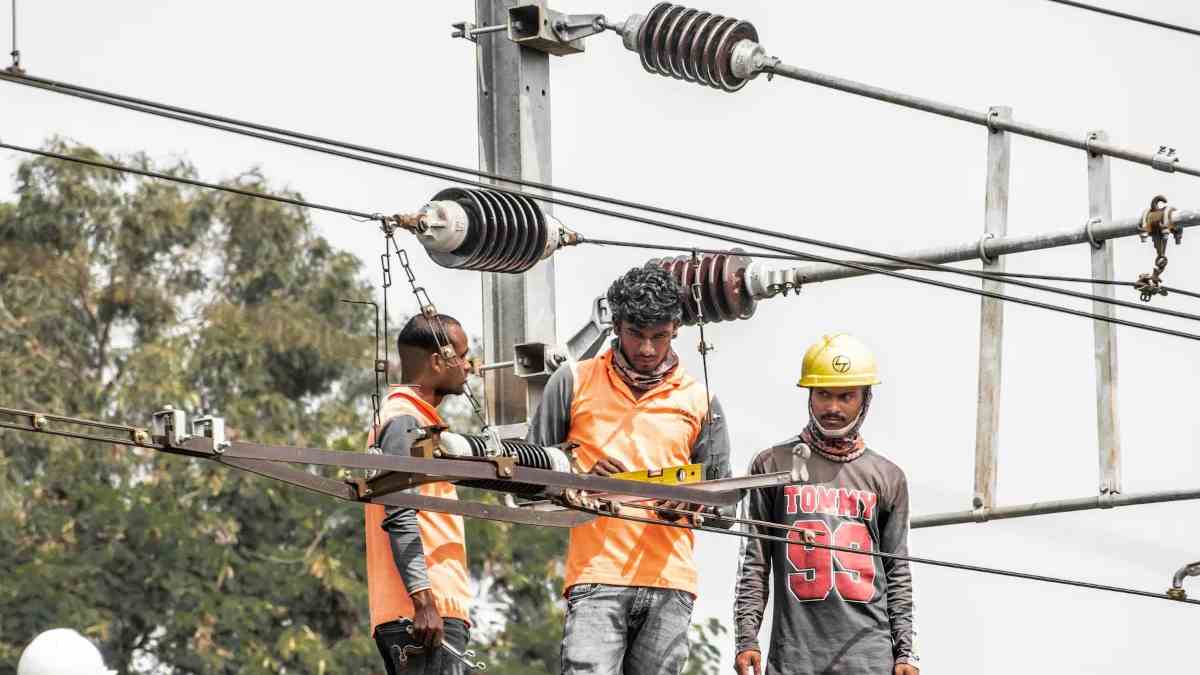
The rise in power procurement costs is understood to be the main reason behind the additional charge. In normal times, BESCOM buys electricity at an average cost of around ₹6 to ₹6.15 per unit, but higher electricity demand in the country has led to a supply-demand imbalance, and hence the company is forced to buy electricity from the market at a higher price.
BESCOM said that in this way, electricity costs about ₹10 per unit. The difference between the cost of procurement and the market price added to the company's spending, and therefore the company made a change to recover the additional amount from the customers over the period.
The situation is coming at a time when electricity demand keeps mounting on the state's power supply system, at peak times during the day. Residential demand typically increases in the morning as people start their day and then in the evening when people return home, turn on lights, and use kitchen and cooling equipment. The time spent in the evening can be particularly heavy on the electricity network. Energy Department officials are thus looking to encourage consumers to spread their electricity usage around the day. It would reduce peak demand and help in managing available electricity.
As part of this initiative, the Energy Department is planning to issue an advisory urging the public to use electricity-intensive appliances when overall demand is low. Consumers may be instructed to use washing machines, air conditioners and other high-power appliances outside the morning and evening peak hours where possible.
For example, if homeowners can schedule laundry or other energy-intensive activities during off-peak periods, this can reduce simultaneous demand on the power grid. Businesses and commercial establishments could also review their electricity usage patterns and shift flexible operations to less busy hours. Such steps are intended to spread demand more evenly rather than concentrate consumption within a few hours.
The new development for Bengaluru residents underscores the importance of understanding the different components of an electricity bill. The final amount paid may be in the form of charges for consumption, tariff categories, taxes or other charges depending on the connection and billing terms the consumer is on.
The FPPCA component specifically reflects adjustments associated with electricity procurement costs, and consumers should check their bills and contact BESCOM in person via the official customer service lines if they have any problems with a charge or notice an unexpected issue. Since the added charge is approximately 0.5 paise per unit, consumers should also check the rate and calculation shown on their individual bills, and not assume that every connection is going to have the same final bill impact.
In the meantime, residents can turn off unused lights and appliances, choose energy-efficient equipment, maintain air conditioners properly and avoid unnecessary electricity consumption during high-demand periods. An efficient use of appliances can help to control overall consumption, but, as with anything else, usage patterns and tariffs will be key to where people would come from and how much.
In addition, the Energy Department’s proposed advisory will make it much more visible how responsible electricity use is and why demand should be controlled during peak hours.
The additional FPPCA charge is to cover higher power purchase costs of the September demand surge, which will be in place from September through November, according to BESCOM. Bengaluru consumers should monitor their monthly bills during this period and look for the separately listed adjustment.
This also highlights a bigger issue for electricity suppliers: meeting increasing demand while keeping procurement costs down and having a reliable power supply. Encouraging more flexible energy use to off-peak hours may help relieve the pressure on the system as demand keeps changing.






Comments
Leave a Comment