
A Bengaluru man’s comments on Diwali holiday policies of Indian companies has brought the country’s corporate work culture and employee work-life balance into focus on social media.
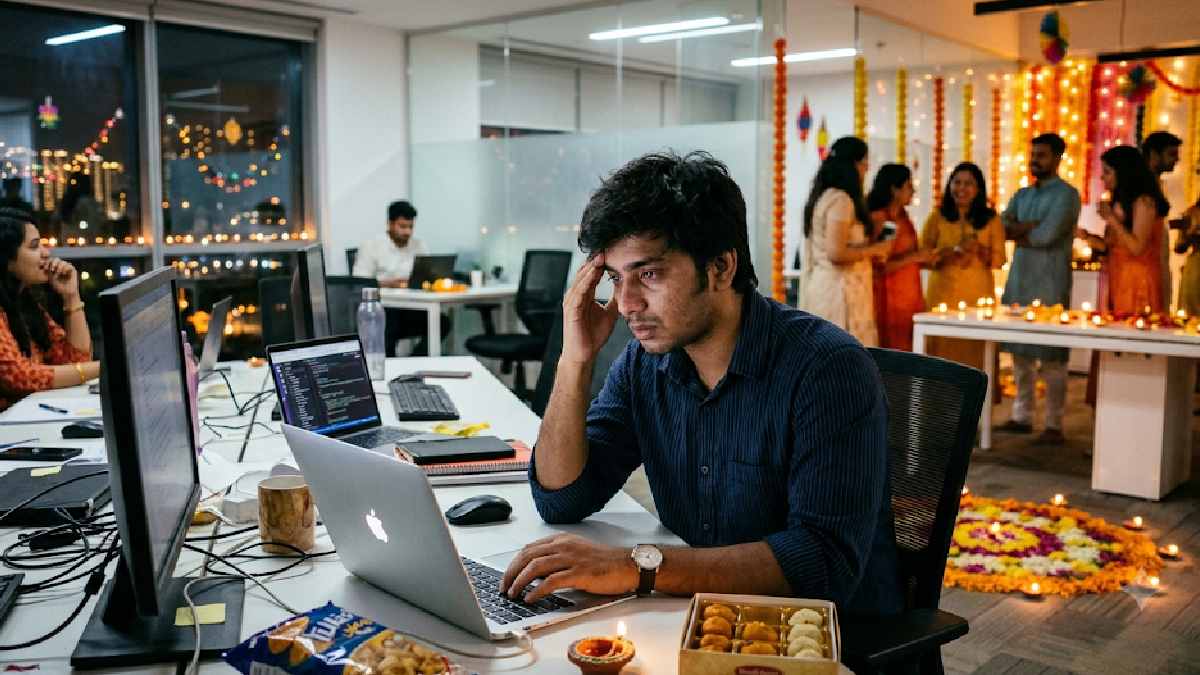
Diwali is one of India’s biggest festivals family get-togethers, traditional rituals, decorations and festivities galore. Employees too get a chance to take a break from their usual work schedules and spend some quality time with loved ones but not everyone gets the same opportunity because holiday policies differ from organisation to organisation.
The Bengaluru man asked how Indian companies treat festival holidays (and specifically Diwali) whether they give employees time off or not. He said some workers were frustrated because professional work takes precedence over important personal and cultural events.
The discussion has also highlighted the difference between workplace policies and employee expectations. Some companies offer multiple days off during major festivals while others only offer limited holidays or expect employees to continue working according to regular schedules.
Employees from IT, customer service, healthcare and hospitality industries may face additional challenges because their organisations need to continue operations even during festive seasons. Some employees (depending on the nature of work) might have to attend shifts or be available for professional responsibilities.
But for workers it’s not just about getting another holiday. Festivals like Diwali have cultural and emotional weight so time with family and friends is all the more precious. Employees feel workplace policies need to take those personal commitments into account.
The conversation has also reignited the debate around long hours, workplace pressure and employee well-being in India. Professionals now want organisations that respect personal time as much as career opportunities; flexibility alongside career paths.
Companies have to balance employee expectations with business needs, project deadlines and client commitments too. This is why holiday arrangements can vary so much across industries and organisations. Some employers deal with this by having optional holidays; flexible leave policies or rotational staffing.
However, the growing conversation is that employees want companies to give more emphasis to work-life balance and personal well-being.
So the Bengaluru man’s comments have become part of a larger conversation about what employees want from modern workplaces. While India continues to celebrate its major festivals, how corporate policies accommodate employees’ personal lives is still an issue (even if it feels more relevant now than ever).
Ultimately, the debate is about companies finding that balance between business productivity and employee satisfaction. Reasonable flexibility during important festivals could help organisations build a more supportive workplace culture.



Comments