
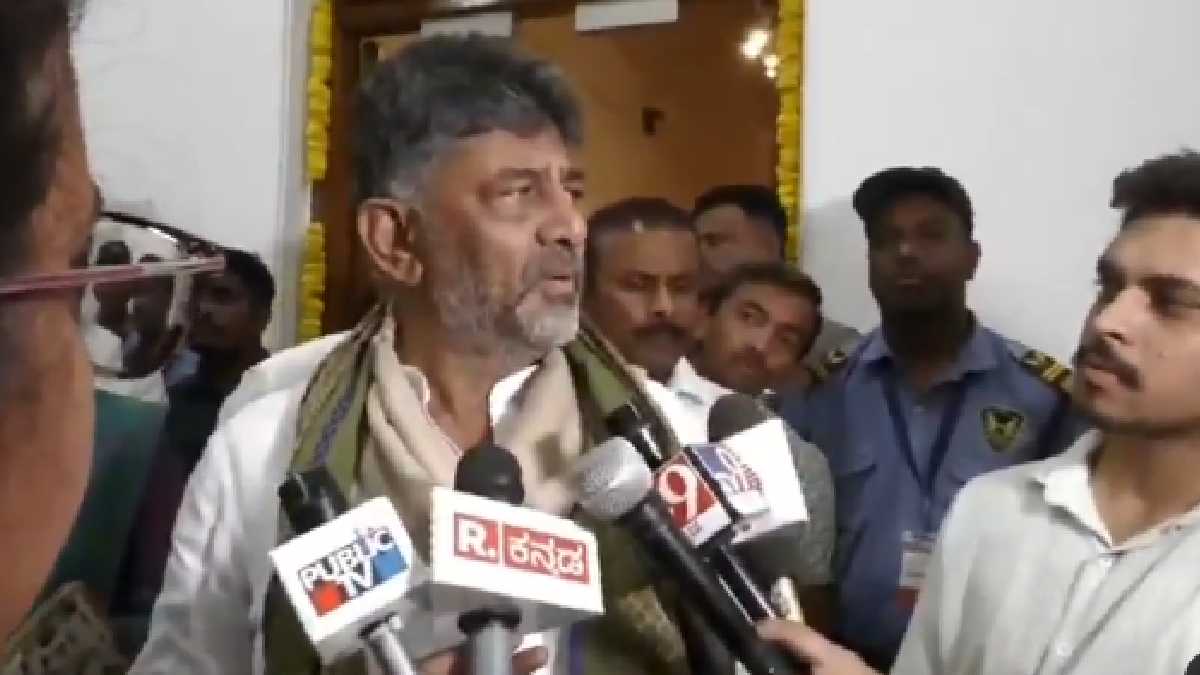
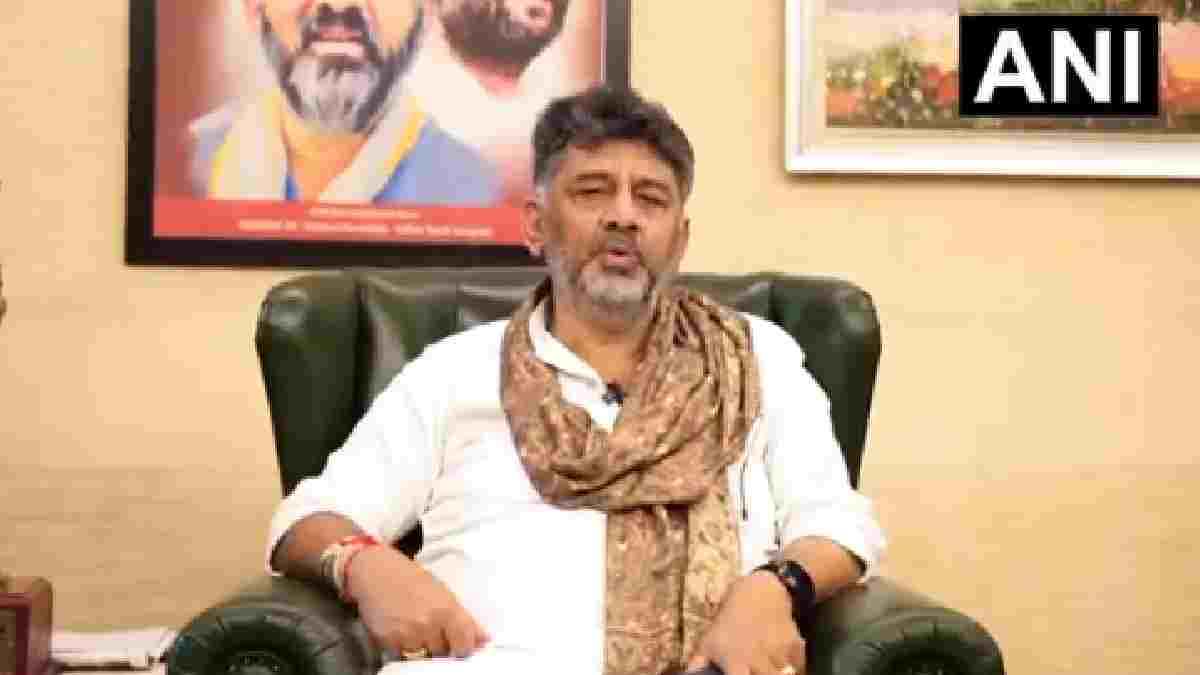
Karnataka Deputy Chief Minister DK Shivakumar has alleged that excessive mixing of ethanol in petrol is a major worry for vehicle owners across the country.
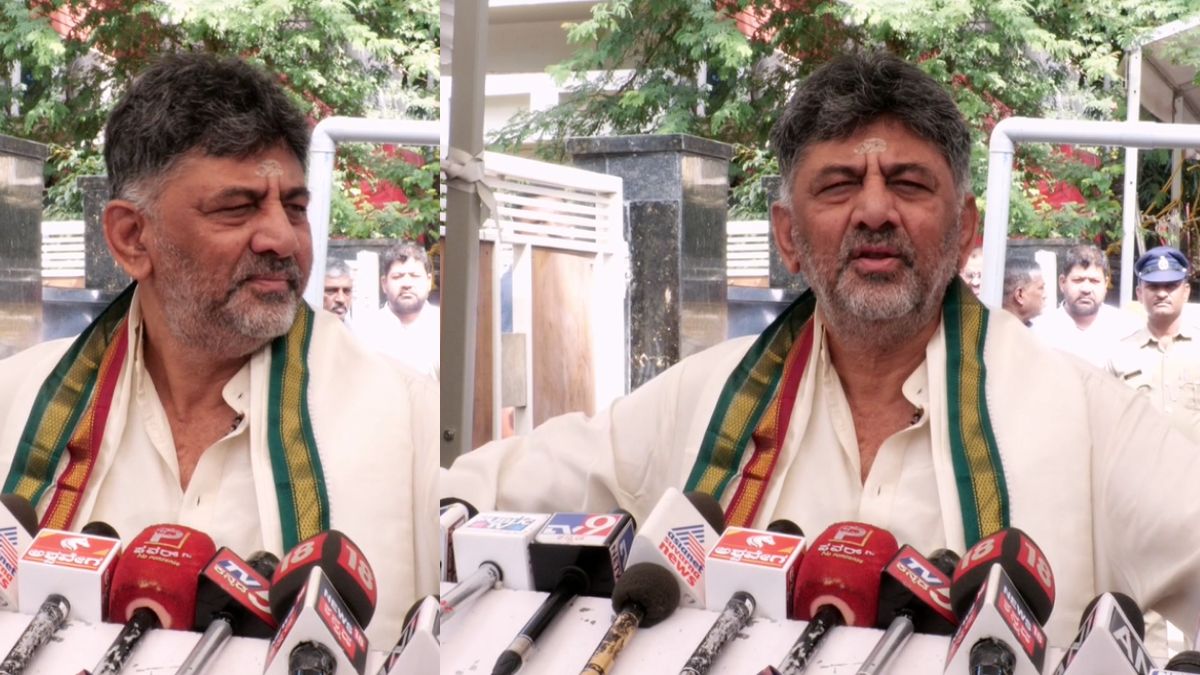
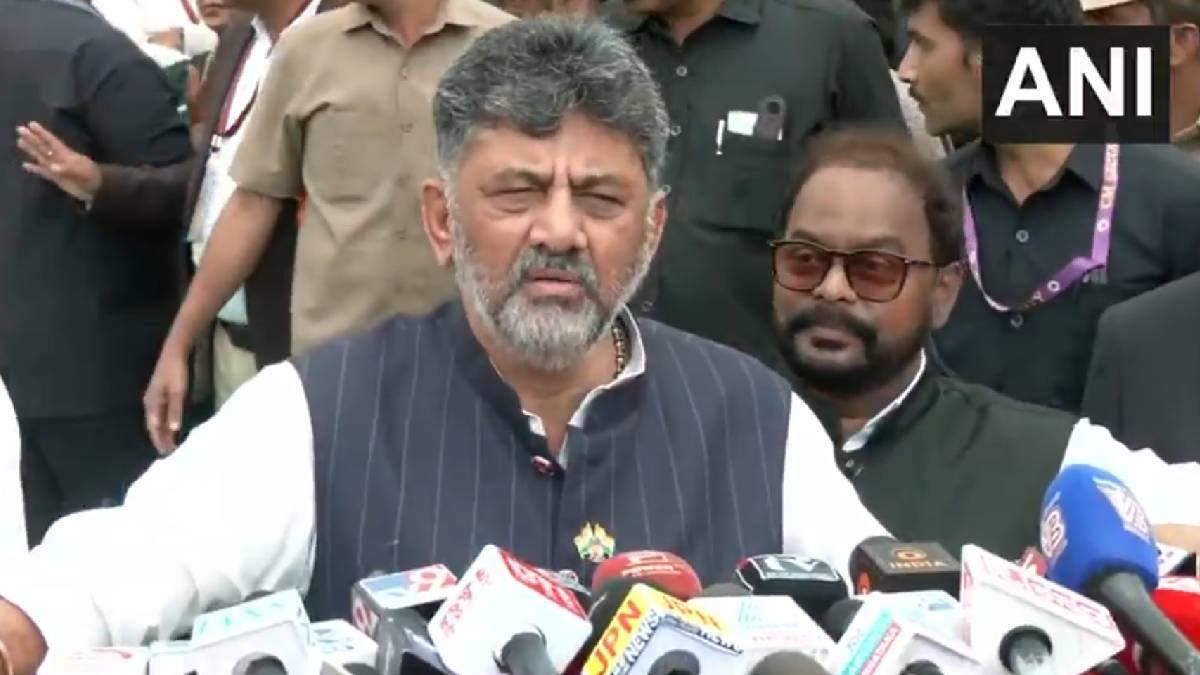
Speaking to media persons in Bengaluru he said Karnataka government had already inspected petrol pumps, collected samples from 67 locations and sent information to Central Government authorities concerned about it.
He alleged that thousands of vehicle owners had come to him with complaints that their vehicles were having mechanical problems, mileage was low and engine related problems.
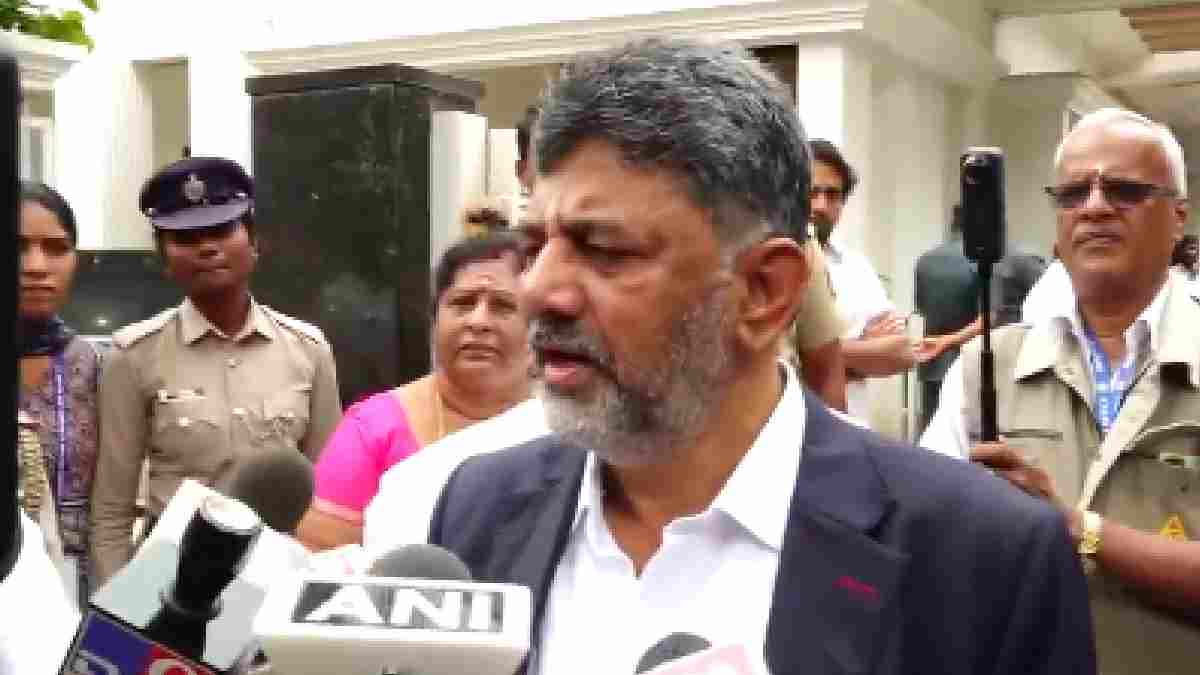
Controversy has erupted over the use of 31.5 per cent ethanol in petrol which is reported to be used (by IOCL) as fuel; questions are being asked on quality of fuel, compatibility of vehicle and consumer safety. Shivakumar said state government was not raising the issue without preliminary investigation and instructions have been given to concerned minister to look into the matter.
The Deputy Chief Minister said that the Karnataka government has received complaints from motorists that their vehicles are not giving expected mileage after using petrol. Some vehicle owners have reportedly complained that engines stop working intermittently and some mechanical components and vehicle systems get damaged.
Shivakumar said the government had taken these complaints seriously and petrol samples were examined at different places. He said samples were collected from 67 locations and the findings and supporting documents will be presented by the concerned minister. The government has also communicated to Central Government on this issue, he added.

The alleged 31.5 per cent ethanol blending has become a hot topic because India has been promoting petrol blended with ethanol as part of its strategy to reduce dependence on imported crude oil; increase domestic production of ethanol and lower carbon emissions.
Ethanol is a renewable fuel usually produced from agricultural feedstocks (such as sugarcane or maize). Blending ethanol with petrol can reduce the country’s reliance on conventional fossil fuels but the percentage of ethanol used in fuel matters because vehicles have to be compatible with the particular blend. Higher ethanol concentrations may require engine components, fuel systems and technical modifications depending on vehicle design.
Shivakumar alleged that the issue should not be swept under the carpet without looking into complaints and evidence collected by state government. He said ethanol could not have been mixed at petrol pumps; government had documents on how it was allegedly mixed; ethanol was available at comparatively cheaper prices and some people were financially benefiting from its use etc.
These are allegations and actual blending levels, distribution practices and financial implications need to be established through independent testing and official investigations.
The Deputy Chief Minister also hit out at political opposition for allegedly being “mute” on an issue which concerns ordinary motorists. He asked why BJP and other opposition leaders were not raising their voices over complaints received from vehicle owners.
Public safety and consumer protection should come before politics, he said adding people need to be made aware of the possible consequences of fuel-quality issues and government has a responsibility to protect motorists.
The controversy also raises important questions about fuel standards, vehicle warranties and consumer rights. India has been expanding its ethanol-blending programme but fuel quality has to meet specifications; vehicles have to be designed or approved for the relevant ethanol blend; higher ethanol percentage does not mean petrol is unsafe nor that it causes every engine problem reported. Laboratory testing, vehicle inspections and technical assessments need to be done before conclusions can be drawn.
Shivakumar said the concerned Karnataka minister would give details and present findings (documents collected during probe). Government should spell out what action it intends to take on the basis of sample testing results, he said. Central government’s response will also be crucial in determining whether fuel-quality violations have taken place or not.
Thousands of motorists are said to have complained about the ethanol-blending controversy in Karnataka so the issue has become a public interest one.
Whether or not the 31.5 per cent ethanol mixing is confirmed by official testing remains to be seen but vehicle owners, automobile manufacturers, fuel distributors and government authorities will be watching the results closely. The outcome could have wider ramifications for India’s ethanol blending programme, fuel distribution standards and consumer confidence in petrol quality.



Comments