
Delhi woke up to thick smog on Diwali Today Morning as air quality in the national capital deteriorated dangerously.
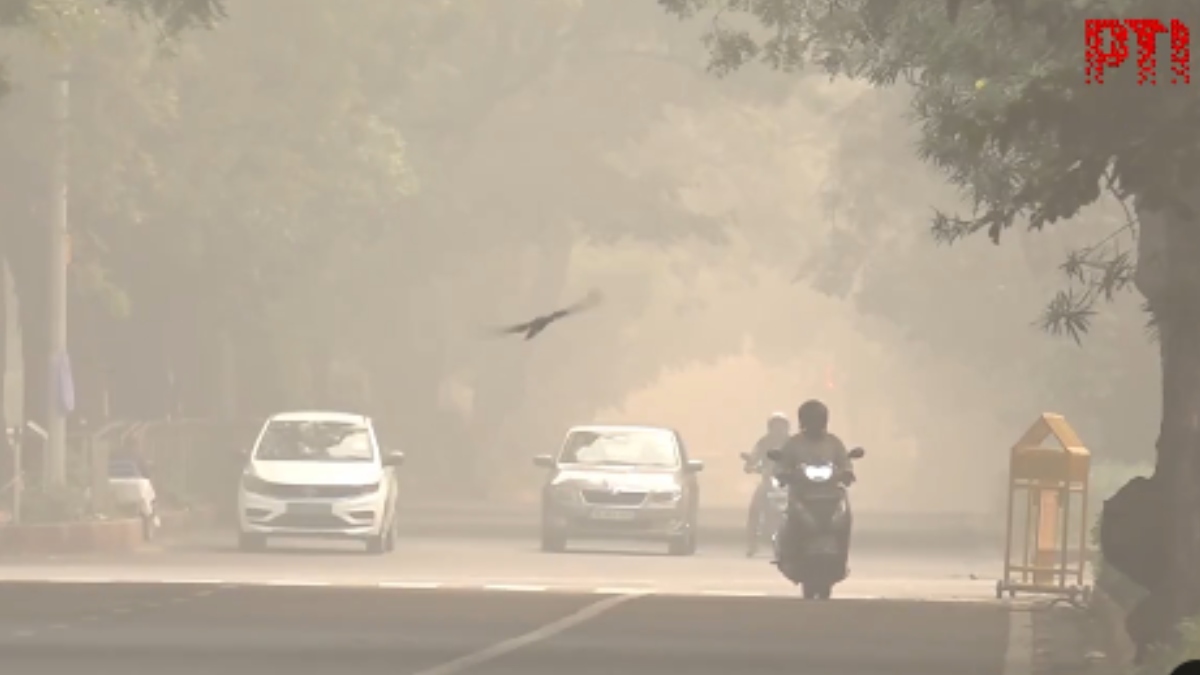
While the city was lit up with lights and people were celebrating there was an increasing fear of air pollution. Delhi’s overall AQI stood at 384 in the early hours of Today morning.
The reading put Delhi in the ‘very poor’ category and dangerously close to ‘severe’ (400). In several neighbourhoods pollution levels had already crossed severe mark. Of the 23 stations reporting AQI in morning update, 11 showed AQI above 400 indicating severe pollution.
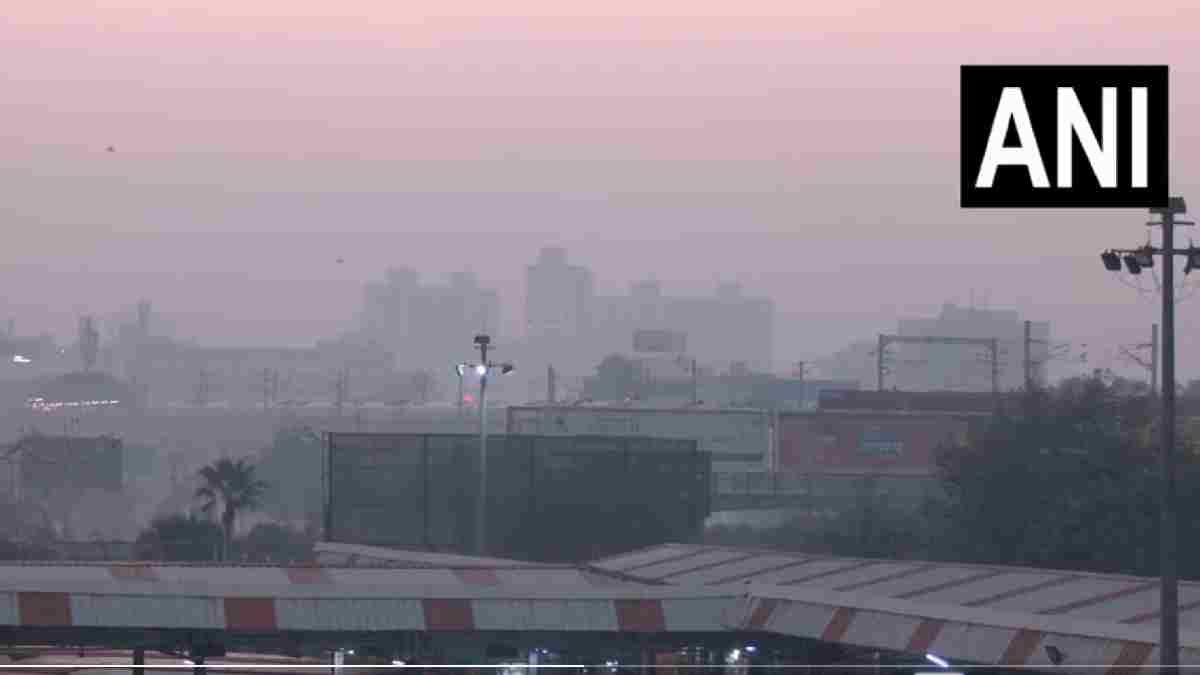
Punjabi Bagh topped the list with AQI of 450 followed by RK Puram with 449, IIT Delhi with 446 and Dwarka with AQI of 444. Other badly affected areas were CRRI Mathura Road with 425; Siri Fort with 423; North Campus of Delhi University with 423 and Chandni Chowk with 423. Pusa had an AQI of 415; Burari Crossing and NSUT Jaffarpur had 411 and 409 respectively.
These readings showed how widespread pollution problem had become in the capital residents faced unhealthy air even before the main Diwali celebrations began.
The deterioration in air quality is being blamed on a mix of factors vehicular emissions, stubble burning in neighbouring states during the winter season, construction pollution, weather conditions and firecrackers. Delhi usually gets worse air quality in winter because cold temperatures, low wind speeds and atmospheric conditions slow down movement of pollutants.
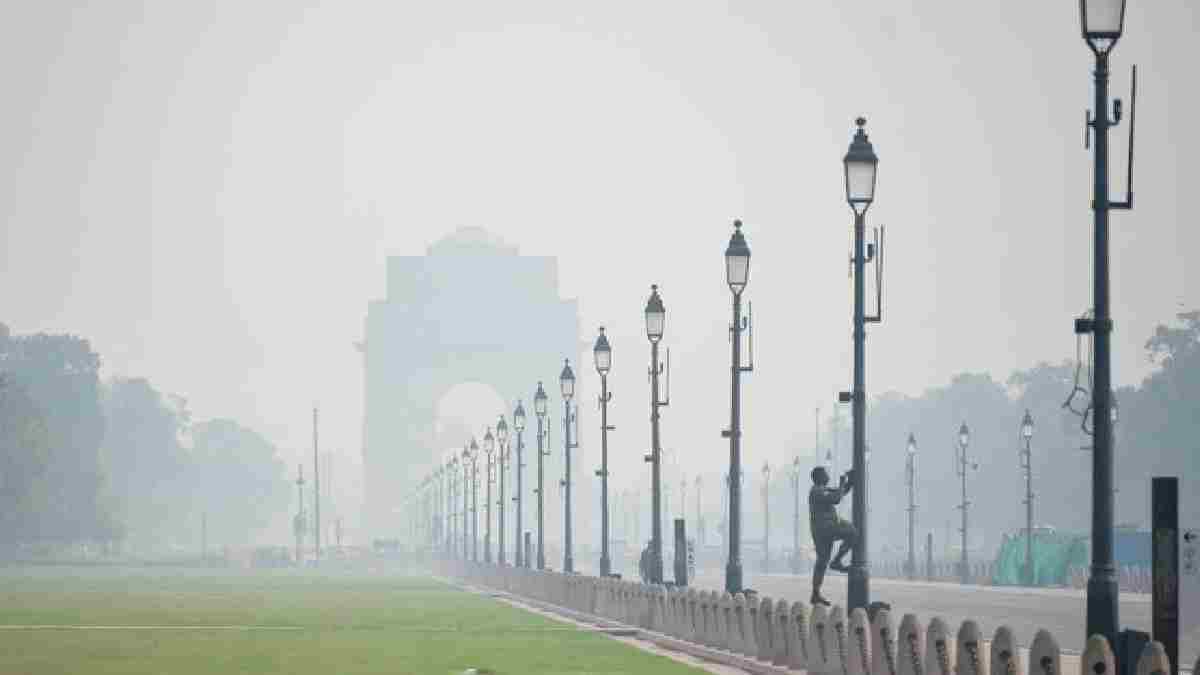
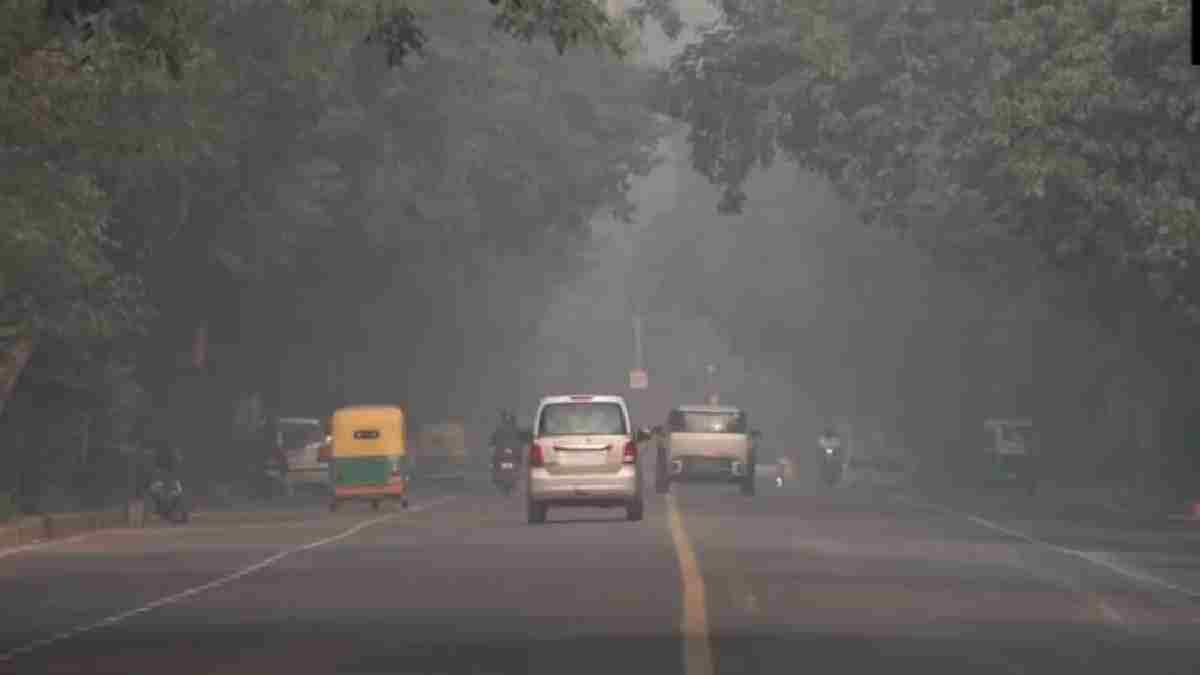
VIDEO | Delhi: Air quality in the national capital deteriorates to 'severe' category. Visuals from Lodhi Road. (Full video available on PTI Videos - https://t.co/d8jp61yd2p) https://t.co/nBNyah2oe8
— Press Trust of India (@PTI_News) November 8, 2026
When winds are weak harmful particles released from vehicles, industries etc stay closer to the ground rather than dispersing into atmosphere. Air quality assessments have said average wind speed of less than 10 kmph has worried authorities about how quickly the city can clear accumulated pollution.
Transport sector has also been found to be major polluter in Delhi. Government’s Decision Support System estimated that transport contributed around 21.4 per cent of pollution load on Saturday.
Meanwhile stubble burning in Punjab and Haryana has added to the seasonal pollution problem. Contribution from farm fires was put at 1.7 per cent on Saturday with projections it could go up to 5.4 per cent on Today. Local emissions plus pollution transported from neighbouring states made it harder to manage.
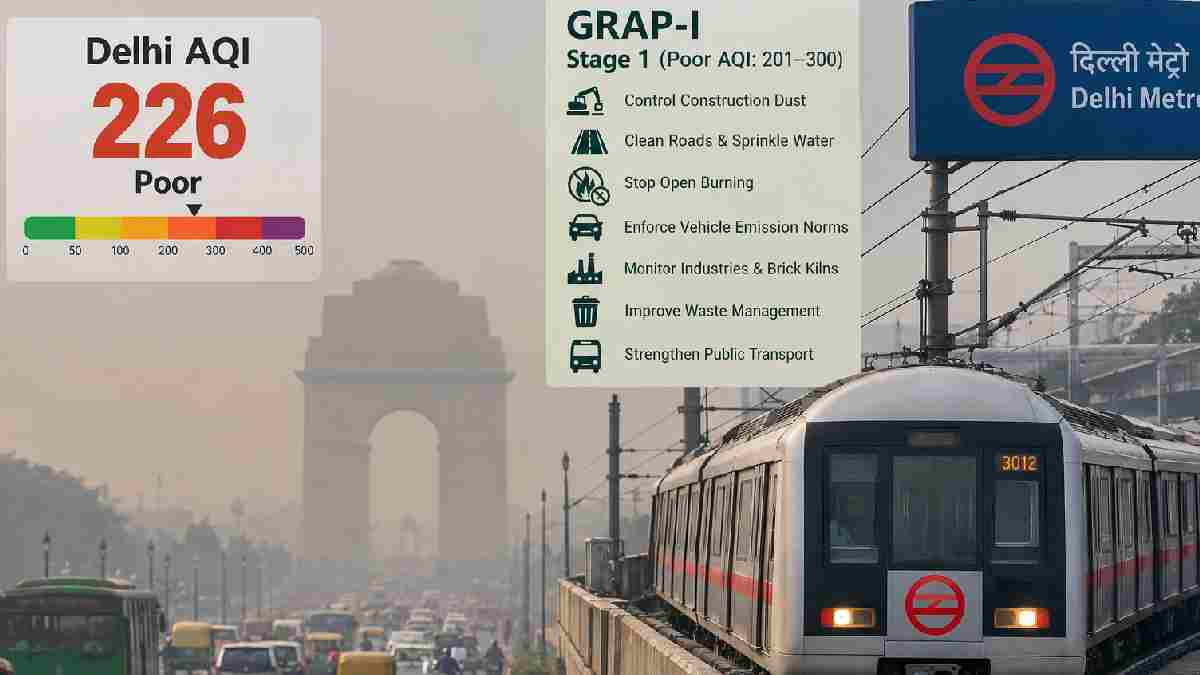
The worsening pollution situation had already led authorities to impose Stage III restrictions under Graded Response Action Plan (GRAP) across Delhi-NCR. Emergency measures are being taken to prevent air quality from getting worse and reduce the amount of pollutants entering atmosphere.
Restrictions have been put on some categories of older petrol and diesel vehicles in Delhi and adjoining NCR districts (Gurugram, Faridabad, Ghaziabad and Gautam Buddh Nagar); some diesel goods vehicles have also been banned from operating in these areas.
Stone crushing activities and mining operations have also been restricted. Schools up to Class V can be run in hybrid mode students can attend physical classes or online classes. Government and private offices may allow some employees to work from home as part of traffic reduction strategy. Residents have been asked to use public transport, carpool and avoid unnecessary vehicle journeys.
Health experts have been warning repeatedly that extremely polluted air causes serious health problems especially in children, the elderly, pregnant women and those with existing respiratory or cardiovascular conditions. Fine particulate matter (PM2.5) is of particular concern because tiny particles can get deep into lungs and enter bloodstream; prolonged exposure may worsen asthma, breathing difficulties, coughing and heart and lung complications.
People living in heavily polluted neighbourhoods have been urged to reduce outdoor physical activity (especially when pollution levels are high); wear a well-fitted N95 mask when travelling outdoors, close windows during severe episodes of pollution and use an air purifier indoors where possible; if residents experience breathing difficulties, chest discomfort or persistent coughing they should not ignore them but seek medical attention instead.
Meanwhile fears are growing that Delhi’s air quality could further deteriorate after Diwali. Firecrackers release large quantities of particulate matter and other pollutants into the atmosphere besides pollution already in the city. Festive fireworks, weak winds and smoke from agricultural areas could make tomorrow particularly difficult too.
Forecasts by IMD and air quality monitoring agencies cited above show unfavourable conditions for pollutant dispersion. National capital has already an average AQI of 384 and several stations reporting severe pollution so residents have another hard Diwali with deteriorating environment again.
It is yet another reminder that long term pollution-control measures are needed, better public transport, cleaner fuels, better management of agricultural waste and responsible festive celebrations are required. Though Diwali is celebrated as a festival of light but worsening air quality has asked how can it continue without endangering health and environment?
India




Comments