
Karnataka government is planning to make a major change in the state education system and introduce English medium sections in all 48,527 government schools.
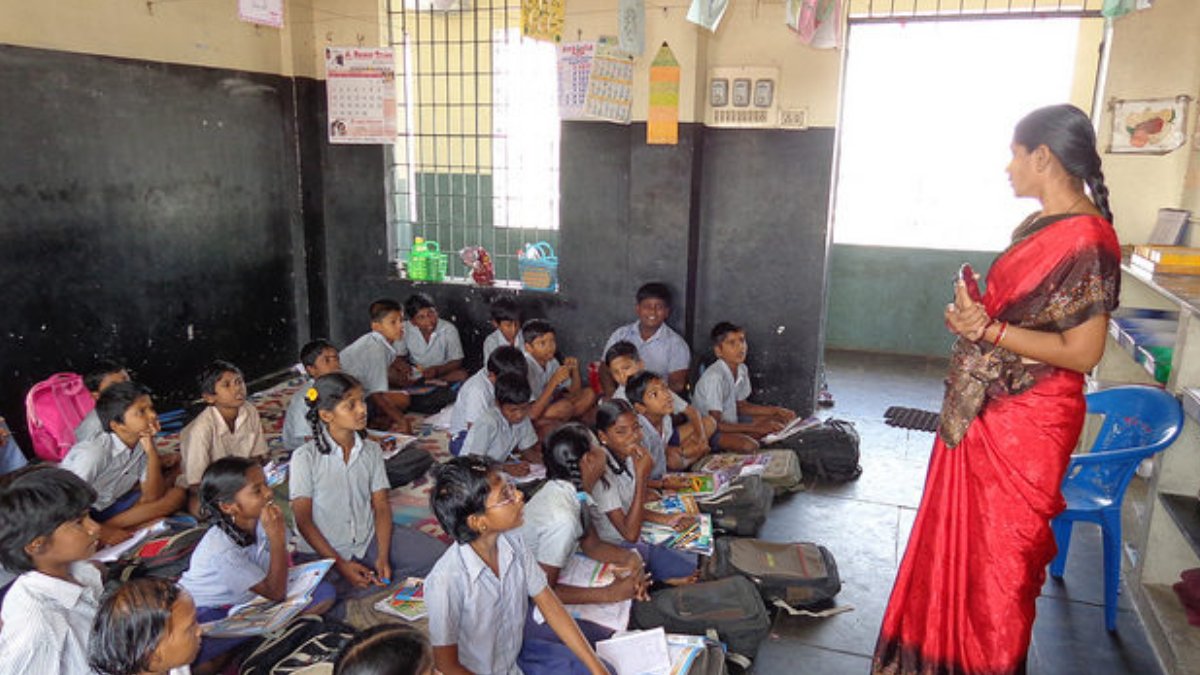
The state government will gradually convert government schools into bilingual institutions (education in Kannada and English) so that parents have English-medium option besides Kannada medium schools while children from economically weaker section don’t have to depend on expensive private schools.
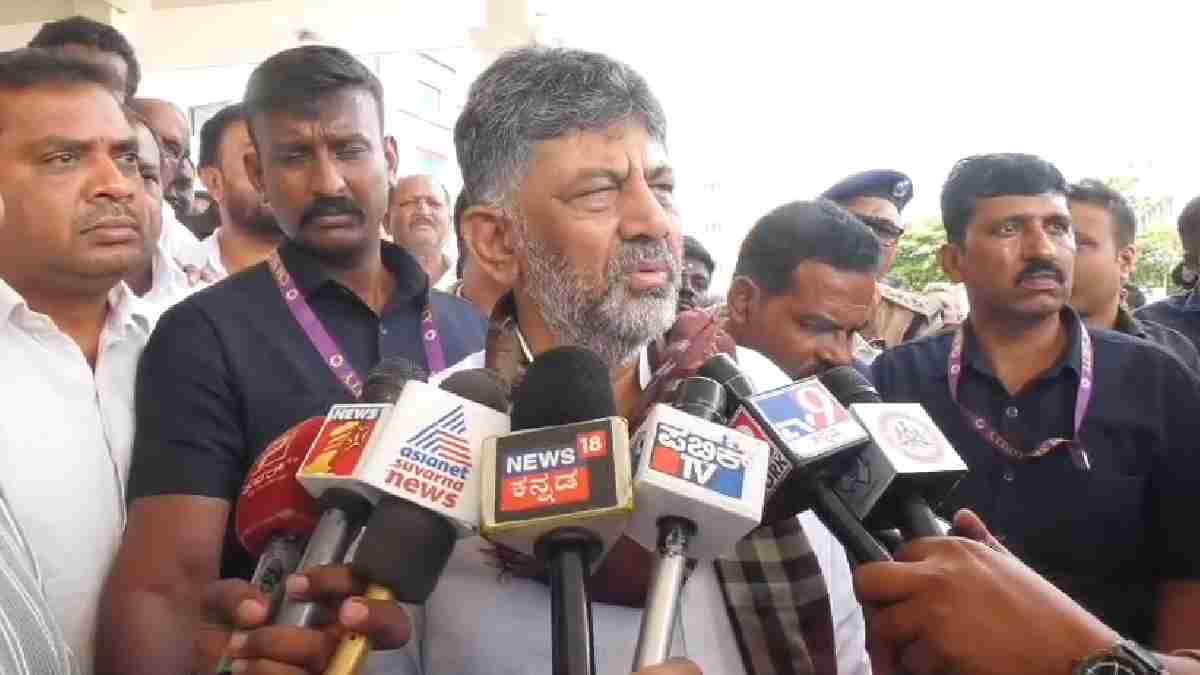
School Education Minister Madhu Bangarappa said the government wants to expand bilingual education across the state and parental choice and access to quality education are important factors behind it.
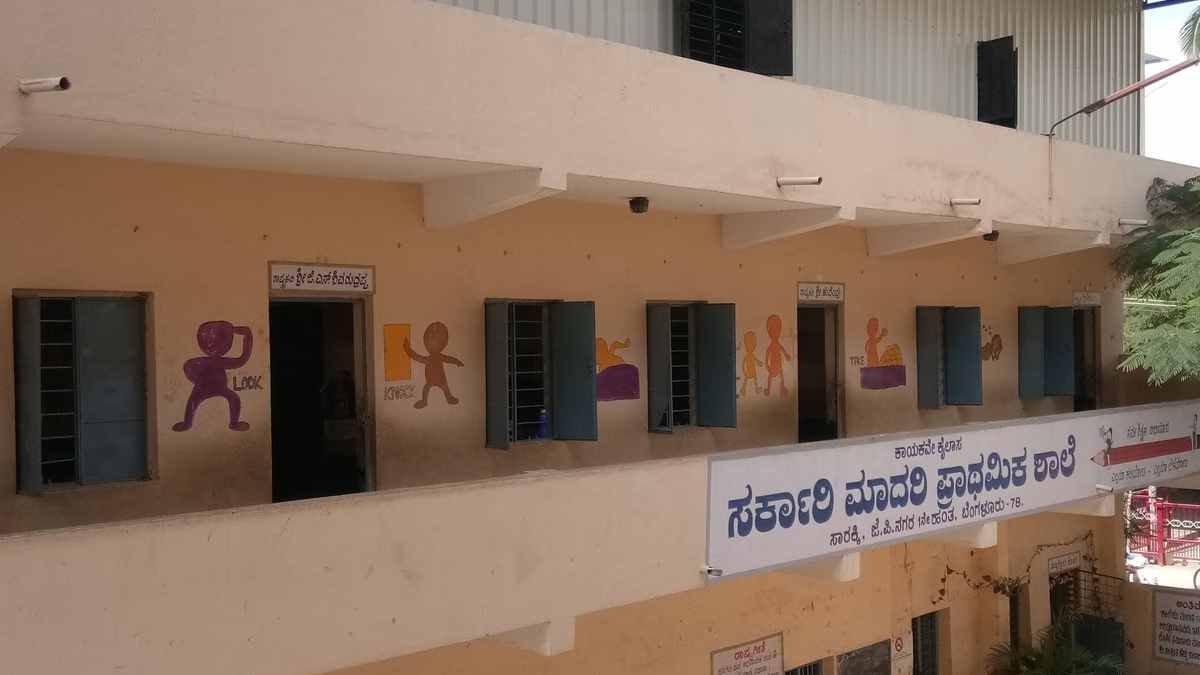
The move is being proposed at a time when many government schools are losing students. Many parents prefer private institutions because they feel English medium education offers better opportunities for their children in higher education and future careers.
Government schools have been losing ground to private educational institutions (especially urban and semi-urban areas) as well. With English sections along with Kannada language medium instruction the Karnataka government hopes public schools will become more attractive to parents and the Kannada language will not lose importance.
Under the proposed system parents will be given an option to choose medium of instruction for their child.
According to the Unified District Information System for Education Plus (UDISE+) 2025-26 data Karnataka has a total of 48,527 government schools. The education department will gradually bring all these institutions under bilingual education framework.
This expansion is on top of an initiative that was started in 2019-20 by former Chief Minister H.D. Kumaraswamy. English medium sections have been introduced in 6,539 government schools across the state since the programme was launched. The new decision is expected to make the programme much larger and open up English medium education to students in more rural and urban areas.
The government has already taken several steps towards this end. In 2024-25 academic year another 2,000 government schools were given permission to introduce English medium sections and in 2025-26 another 4,134 schools were brought under bilingual education initiative.
Students who joined the programme during the initial phase have now reached Class 7 showing gradual expansion of system across different levels of education. Government is looking at further extension of initiative so that students continue to be educated in a bilingual environment when they go up in classes.
Bengaluru is also making good progress on the programme. Of the 1,465 government schools in Bengaluru North and Bengaluru South educational districts, 1,103 have already been given permission to start English medium classes from Class 1 (730 schools in Bengaluru South and 373 schools in Bengaluru North).
This shows that even in major urban centres demand for English medium education is increasing not just at the school level but also within government institutions. Authorities feel if the programme is expanded more families could get English medium education without burdening themselves financially with private school fees.
Bilingual education has reportedly become very popular across Karnataka. Last year 11,555 government schools in 33 educational districts applied for permission to start English medium sections as demand from school authorities and parents was increasing for expanding English language instruction.
Initially the government selected only the 15 schools with highest student enrolment in each taluk under the programme’s selection criteria but now department is looking at wider expansion of this programme so that demand from schools in different regions can be met also.
However the proposed statewide expansion also has several challenges (teacher availability and training). Education experts have said introducing English-medium sections will not automatically lead to better learning outcomes: teachers need to be proficient in the language and able to explain subjects in English; short training programmes may not be enough to prepare teachers for classroom instruction.
Experts specifically criticised traditional three day training sessions “teachers need continuous professional development, practical classroom experience and regular language support” they say.
Another problem is the availability of qualified teachers (especially in rural areas where there may not be many English speaking educators). The government will have to recruit teachers, subject-specific training and classroom resources so that students get what they need.
Education experts also say that before expanding the initiative to every government school performance of schools already operating under bilingual system should be carefully looked at: learning outcomes, student participation, teacher readiness and parental satisfaction while implementing expansion.
Another aspect of the proposed initiative is balance between English and Kannada. Though English proficiency can help students get access to higher education, employment and opportunities in global economy but experts say that students should not lose touch with their mother tongue.
A well designed bilingual education system could give children confidence in both languages while strengthening overall academic abilities.
The Karnataka government’s move could therefore be an important turning point for public education in the state. If implemented properly it could help government schools compete with private schools, increase enrolment and make quality English medium education more affordable to children from different economic backgrounds.
But its long-term success will depend on good planning, qualified teachers, training and monitoring not just a one-off announcement but implementation. Parents, teachers and education experts will watch how the state government translates this big announcement into improvements in classrooms across Karnataka.




Comments