
Karnataka is heading toward yet another season of rainfall as northeast monsoon activity starts to develop in South India, with thunderstorms, lightning and heavy showers forecast to be part of the news and forecast for the next few days in several districts.
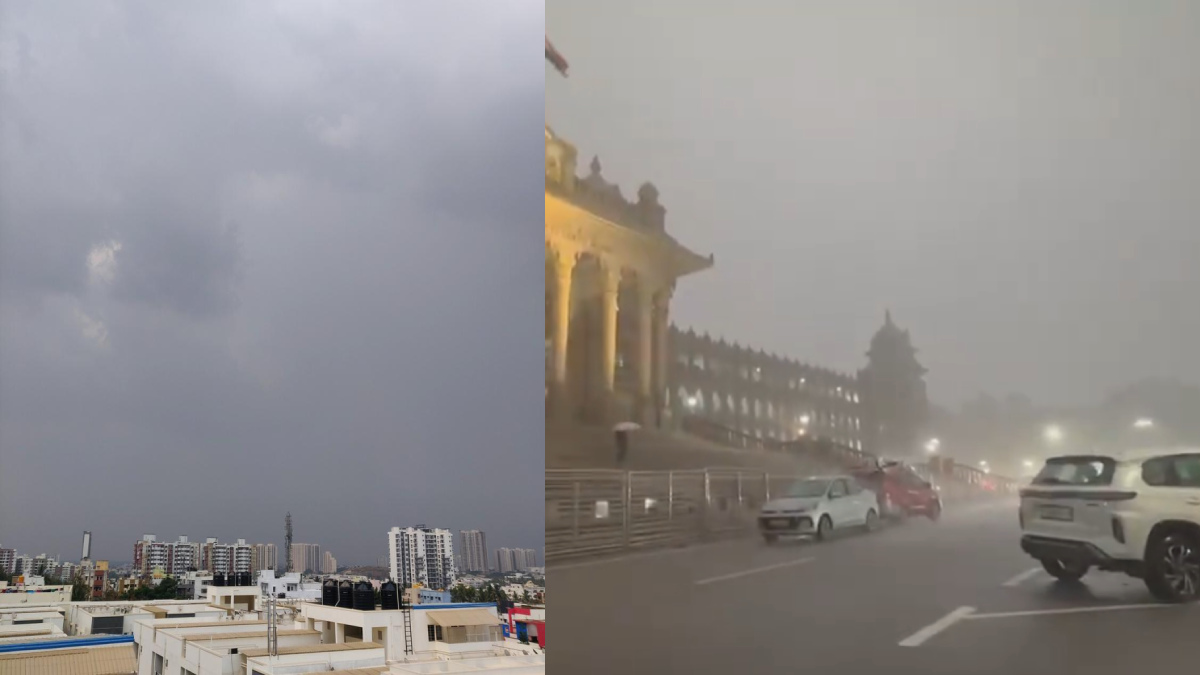
The weather department has issued orange and yellow alerts for different parts of the state and said people should be wary of the weather and should be prepared to be aware that changing weather conditions will impact daily life, road travel and agriculture in Bengaluru and the rest of the state.
In the coming days, rain will be prevalent over the southwestern Bay of Bengal, as a low-pressure area over the southwestern Bay of Bengal is expected to affect Karnataka’s weather, and rain may fall on the coast, Malnad region, southern interior of the state and parts of northern Karnataka. Bengaluru and the surrounding areas are also likely to get rain, especially in the areas that are prone to thunderstorms.
On October 15, a yellow alert was issued for Bengaluru Urban, Bengaluru Rural, Tumakuru, Ramanagara and Chamarajanagar districts. In some of these districts, it may rain with thunder and lightning. People should be prepared for sudden changes in weather and are advised to be alert in the afternoon and evening.
Heavy rain will have an impact on traffic and outdoor activities in Bengaluru and nearby areas. We encourage people driving on highways and road links from Bengaluru to other districts to be very careful in heavy rain and reduced visibility.
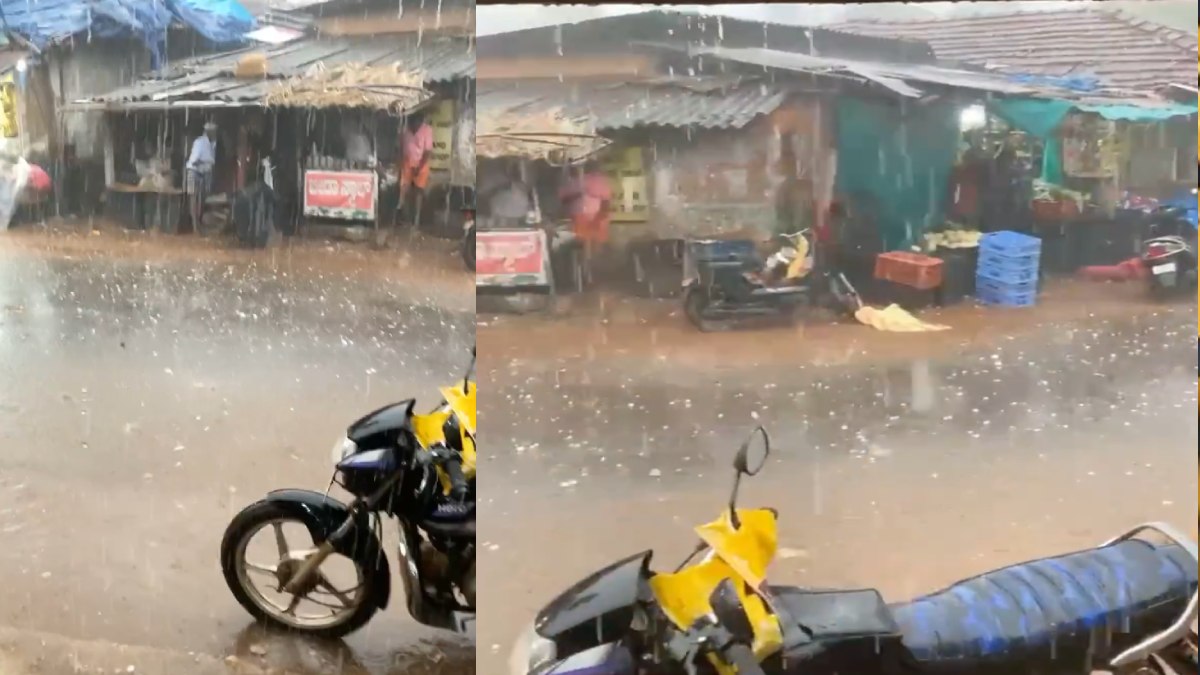
The weather situation is expected to become more severe in some parts of Karnataka on October 16 when an orange alert has been issued for Shivamogga, Chikkamagaluru, Hassan, Kodagu, Mysuru and Chamarajanagar districts. The Malnad region and southern interior Karnataka could get heavy rainfall.
Udupi and Dakshina Kannada districts are under yellow alert. Coastal and hilly areas are expected to experience long periods of continuous rain in some places while thunderstorms may happen in others. Residents living in vulnerable areas should monitor official weather updates and avoid crossing swollen rivers or waterlogged roads during intense rainfall.
On October 17, yellow alerts are expected to remain in force in Belagavi, Dharwad, Gadag, Haveri, Uttara Kannada, Davanagere, Shivamogga, Udupi, Chikkamagaluru, Dakshina Kannada, Hassan, Kodagu and Mysuru districts. On October 18, the alert will be valid across Belagavi, Bagalkot, Dharwad, Gadag, Haveri, Vijayanagara, Ballari, Uttara Kannada, Davanagere, Shivamogga, Udupi, Chikkamagaluru, Dakshina Kannada, Hassan, and Kodagu districts.
Thunderstorms and rain could occur in these areas, but the intensity of rainfall will vary from one place to another. By October 19, rainfall is expected to decrease along the coast and in southern interior Karnataka, while isolated parts of north interior Karnataka may continue to experience moderate showers accompanied by thunder and lightning.
The developing weather system is linked to a low-pressure area in the southwestern Bay of Bengal that is expected to move towards the coast and inland areas of Tamil Nadu. With northeast monsoon winds starting to affect southern India, coastal Karnataka may have moderate rainfall over the next week, while parts of north interior Karnataka may see a few showers in the next five days.
The rainfall may also help to overcome the recent rise in temperatures. The highest temperatures recorded by weather expert C.S. Patil were around 36 degrees Celsius in Kalaburagi, 39 degrees in Karwar, 37 degrees in Honnavar and 32 degrees in Bengaluru. Temperatures may fall in a number of locations as rain and cloud cover increase, but local conditions will determine the extent of the change.
In addition to rainfall, wind speeds of around 30–40 kmph are possible in some regions. Drivers should be wary of dense morning fog and poor visibility, slippery roads and waterlogging in areas affected by fog. Motorists have been advised to drive slowly and carefully.
Farmers are also told to take care to protect crops, especially those that have already been harvested or are ready for harvesting. Moving harvested crops to safe, dry storage areas may help reduce losses from unexpected showers. Since weather conditions can change quickly, the latest updates from the India Meteorological Department and local authorities should be checked before making travel or outdoor plans.







Comments
Leave a Comment