
In a letter to the ECI and other officials, it also suspended elections and gave notice to Congress leader Rahul Gandhi and other Opposition leaders that the voter list revision process to be carried out under the Special Intensive Revision (SIR) of electoral rolls had been inaccurate and illegal in the past. The development has been the subject of fresh judicial attention on the voter list revision process and the petitioners want a guarantee that voters are not removed without due notice or a chance to be heard.
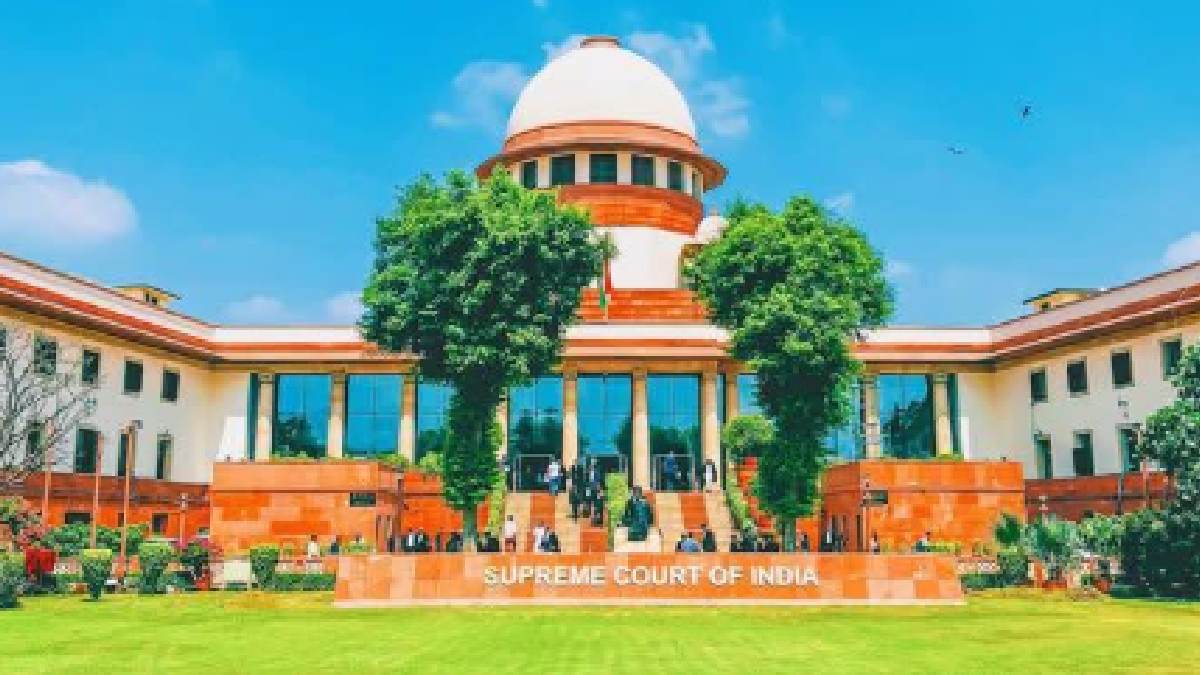
A bench of Chief Justice of India Surya Kant and Justice Joymalya Bagchi sought responses from ECI, Chief Election Commissioner Gyanesh Kumar and Election Commissioners Sukhbir Singh Sandhu and Vivek Joshi. The court also stated that the matter would be included in pending cases on related issues.
The proceedings are taking place against the backdrop of opposition parties demanding accountability for alleged discrepancies in electoral rolls and calling for the resignation of the Chief Election Commissioner. The charges are the petitioners’ and Supreme Court’s notice does not make any final ruling.
Court Questions Conduct Linked to Opposition Leaders’ March
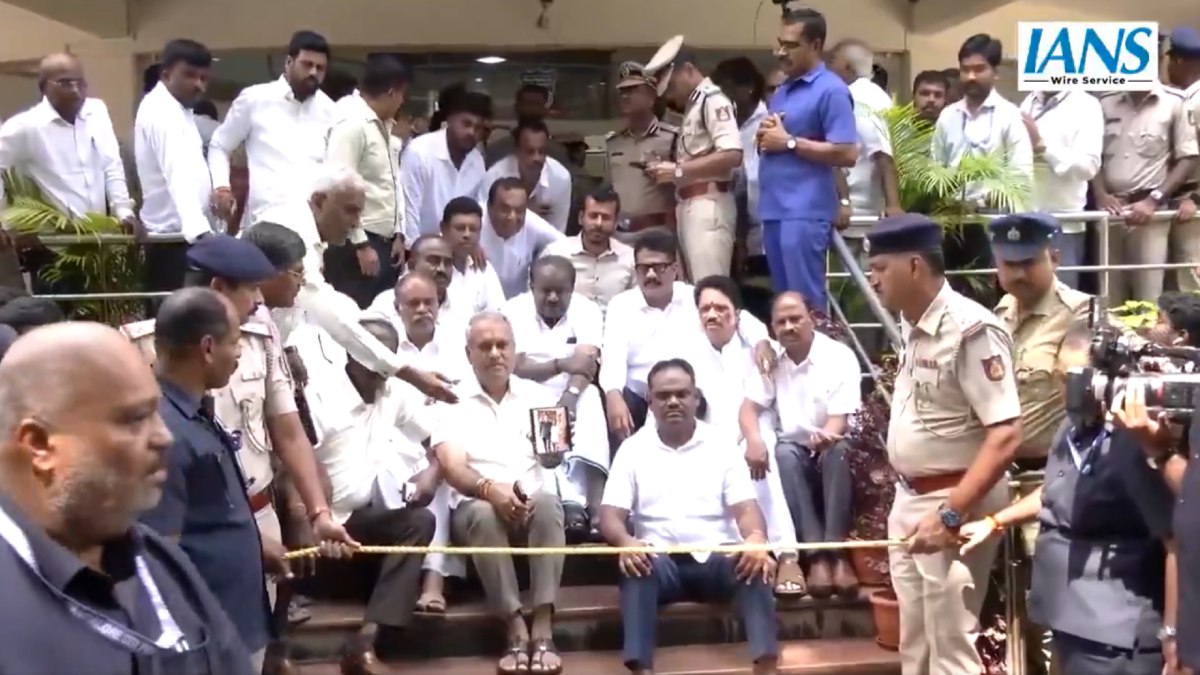
In addition to the petition on the SIR process, the Supreme Court also issued notices to Rahul Gandhi, Samajwadi Party chief Akhilesh Yadav and others on a separate plea challenging their march to the top court. The lawyers referred to Opposition leaders’ march, and the bench made observations about the need to respect the judiciary.
"Nobody can browbeat judiciary. We are not sitting in ivory towers,” the bench observed, the transcript says.
The Chief Justice also said that at the next hearing, the court wanted to question one of the petitioners about his conduct. While issuing notice, the bench said it wanted to examine the issue further rather than treat the matter as concluded at this stage.
We focus on two distinct issues: the legal challenge to the Election Commission’s handling of electoral roll revision and the separate question of the march to the Supreme Court. The notices mean that the concerned parties can respond to the allegations and explain their positions before the court considers the matter further.
What Rahul Gandhi and Other Leaders Have Asked the Supreme Court to Examine
The petition filed on October 12 by Gandhi and other INDIA bloc leaders challenges decisions made by the Election Commission regarding the Special Intensive Revision of electoral rolls. It was registered by the Supreme Court Registry on October 13 after initial procedural flaws had been fixed.
The petitioners include Congress president Mallikarjun Kharge, Akhilesh Yadav, Rashtriya Janata Dal leader Tejashwi Prasad Yadav, Nationalist Congress Party (Sharadchandra Pawar) leader Supriya Sule and Shiv Sena (Uddhav Balasaheb Thackeray) leader Sanjay Raut.
The petition seeks judicial examination of whether the Election Commission’s decisions comply with Article 324 of the Constitution, the 2023 law governing the Election Commission and the Supreme Court’s ruling in *T.N. Seshan vs Union of India*.
One of the main requests is that no eligible elector should be deleted from the electoral roll without prior notice and reasonable opportunity to be heard. The petitioners also have asked that booth-wise lists of deleted voters be published, including reasons for each deletion and demographic details.
These requests put procedural transparency at the center of the dispute. The court’s consideration could address questions about how electoral roll revision is done, what safeguards should be put in place when voters are removed, and how decisions affecting voters’ eligibility can be examined.
Other Election Commission Petitions Also Before the Court
The Supreme Court also issued notices to the Centre and other parties in connection with various petitions concerning the Election Commission, including one by the AIMIM leader Asaduddin Owaisi. Political leaders are also asking for judicial examination of various aspects of the poll panel’s functioning.
But the questions and reliefs sought may differ from petition to petition. The court’s order to issue notices allows the respondents to present their arguments before the relevant legal issues are determined.
The hearings are taking place with political discord over the SIR exercise and Opposition parties warning that voters may be excluded. The responses of the Election Commission and the evidence provided in the hearings will be of the utmost importance for how the court will respond to the allegations.
Supreme Court Also Hears Other Matters Linked to Protests in Delhi
A separate issue related to protests and public order in Delhi included protests and public order in Thursday’s proceedings also came under protest and public order. Solicitor General Tushar Mehta also referred to the unconditional apology offered by Union Home Secretary Govind Mohan in a contempt case. The case is now concerning allegations that authorities defied the Supreme Court's order by not following the Court on the issue of metro and train service.
The bench said it was not taking cognisance of media reports on unconditional apologies offered by authorities. Mehta argued that an unconditional apology does not necessarily mean nothing to defend the actions in question and that the apology was part of the legal process.
The Supreme Court also agreed to hear a plea challenging the de-notification of Jantar Mantar as a designated protest site. That raises a separate question about the availability of a recognised location for demonstrations in the national capital.
What Happens Next?
The Election Commission and the other respondents will now have the opportunity to respond to the notices issued by the Supreme Court. The bench also has said that it will look into the conduct-related issue raised in the separate plea for the march to the court.
In SIR the key questions include the legal basis for the revision process, safeguards against wrongful voter deletions and the transparency about the removal of electors being made private and the public information about the removal of electors. The proceedings will be closely watched by political parties and voters because electoral rolls determine who can run in elections.
The allegations are not resolved with notice. The next step is to respond to the concerned parties and then get the court’s direction.
The context will be political protest and judicial authority, and so will the case be one of electoral administration, procedural fairness, and how this all is to be resolved. The Supreme Court’s subsequent hearings will explain how these issues will be tackled under constitutional and legal rules.



Comments
Leave a Comment