
The Karnataka Examinations Authority (KEA) has introduced more checks and balances to avoid examination malpractice in government recruitment tests by providing an OMR answer sheet system based on triple layers. It can help to make questions transparent, protect candidates' rights and make unauthorised changes to answer sheets much more difficult to make.
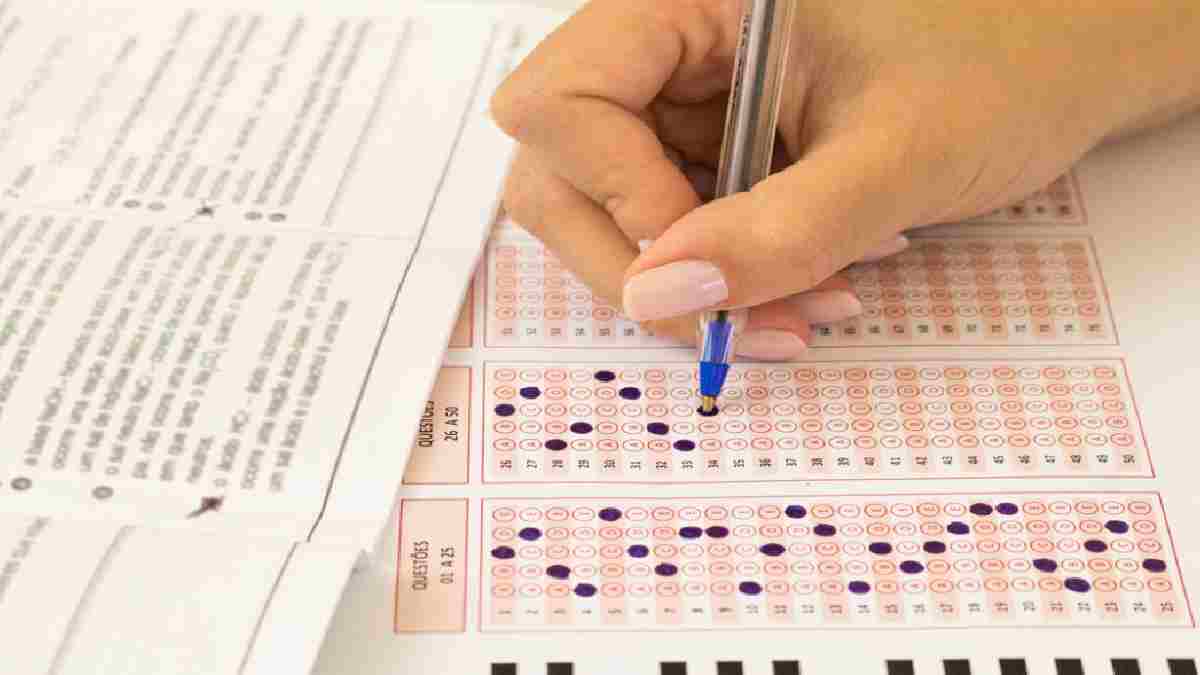
The three-layer system has been tested in a recent recruitment by the Karnataka State Reserve Police (KSRP) in late September and early October 2026. For other competitive and recruitment examinations of the authority, KEA is planning to extend this measure as well.
The change comes at a time when recruitment examinations are under scrutiny for alleged irregularities in the recruitment process, since the OMR answer sheet has been questioned for fraud and there have been accusations of tampering with OMR answer sheets. The new arrangement will provide candidates with a separate record of their answers to the questions to be followed, so verification will be easier in case of a dispute if one or more candidates respond differently.
What is the Triple-Layer OMR Sheet System?
Under the existing two-layer arrangement, one copy of the OMR answer sheet is sent to the examination authority for evaluation, while the other copy is kept by the candidate.
The proposed three-layer system incorporates a third copy that will be kept secure at the district level. This creates separate records that can be compared if tampering or discrepancies arise.
The three copies are intended to be handled as follows:
| OMR Sheet Copy | Purpose |
|---|---|
| First Copy | Submitted to KEA for evaluation |
| Second Copy | Given to the candidate for personal records |
| Third Copy | Stored in a secure strong room at the respective Deputy Commissioner's office |
The third copy is the key addition. By keeping a separate record outside KEA's direct custody, the system provides another reference for checking the answers marked by a candidate.
KEA officials have also indicated that the additional copy will remain in secure custody until the recruitment processes, including any court-related disputes, are completed and appointment orders are issued. Any disposal of it would be within the rules.
How will the new system prevent exam malpractice?
OMR sheets are widely used in competitive examinations because candidates record their answers by filling bubbles corresponding to their selected options. These sheets are then scanned and processed to calculate marks.
If a candidate's recorded responses seem to have been altered after the examination, then tampering occurs. Such allegations can destroy confidence in recruitment processes and put candidates who have been planning to get government jobs in a position of uncertainty.
The triple-layer system aims to address this concern by keeping three copies of the same answer record at different locations.
If a complaint arises, the copies can be compared to identify discrepancies. The candidate's copy also provides a personal reference against which the records held by the examination authority and district administration can be checked.
Maintaining an extra copy does not, by itself, eliminate all possible forms of malpractice. But it provides an additional safeguard in handling and checking answer sheets.
KSRP Recruitment Exam was a Trial
The triple-layer OMR arrangement was reported to have been implemented for a trial to find out on a recent KSRP recruitment. After this trial, KEA is planning to extend the system to other recruitment examinations.
The experience of the trial is relevant because recruitment examinations can involve large numbers of applicants, multiple examination centres, and several stages of answer-sheet processing.
Any wider rollout will require appropriate arrangements for printing, distributing, collecting, transporting, and securely storing all three copies. Examination authorities and district administrations will also need to maintain clear procedures for accessing and comparing the records when required.
In the end, all candidates need to check official KEA notifications to confirm the implementation of the system in individual exams.
Background: Concerns Over Karnataka Recruitment Examinations
Karnataka has been under scrutiny for some of the alleged wrongdoing in some public recruitment processes. Problems involving manipulation of answer sheets have fueled calls for more robust verification mechanisms and more transparent examination procedures.
The Karnataka Public Service Commission (KPSC) and KEA conduct examinations for recruitment and other public purposes. These processes need to remain true as examination results can determine access to government employment.
The Karnataka Public Examination (Measures for Prevention of Corruption and Unfair Means in Recruitment) Act, 2023, which received the Governor's assent in September 2024, is a legal framework to avoid corruption, unfair means, and question-paper leaks in public recruitment examinations.
The triple-layer OMR system is an administrative safeguard to strengthen the chain of custody of answer sheets for the future. It is in line with the larger objective of ensuring that candidates are fairly evaluated and that recruitment results can be verified if needed.
What should Karnataka Government Job Aspirants Know?
The prospective candidates preparing for KEA recruitment examinations should continue to follow the instructions given in their KEA recruitment notification and admit card.
They should carefully fill in the details on their answer sheets, follow invigilators' instructions, and retain any candidate copy issued after the examination.
Applicants should also monitor KEA's official website for updates about upcoming recruitment examinations, examination procedures, answer-key release, results, and any changes to OMR sheet handling.
A third copy of the answer sheet would be an additional layer of accountability. Still, candidates should not assume that the same procedure is the same for every examination until KEA confirms the arrangement for the test.
KEA’s triple-layer OMR sheet initiative is a step in the right direction to strengthen the security and transparency of Karnataka recruitment examinations. By keeping one copy with the candidate, another with the examination authority, and a third in a district-level strong room, the system is designed to make answer-sheet verification more reliable.
The arrangement was originally tested in a KSRP recruitment test, and officials have reported that extending it to other tests is planned. Candidates should look forward to official KEA announcements to confirm where and when the system will be implemented.





Comments