
Brazilian President Luiz Inácio Lula da Silva has secured a fourth non-consecutive term after Flávio Bolsonaro loses to right-wing rival Flávio Bolsonaro in a presidential runoff on 25th October 2026. The victory is a historical political comeback for the 80-year-old president and it will not see Brazil join the latest wave of right-wing electoral victories of the right-wing uprisings in Latin America.
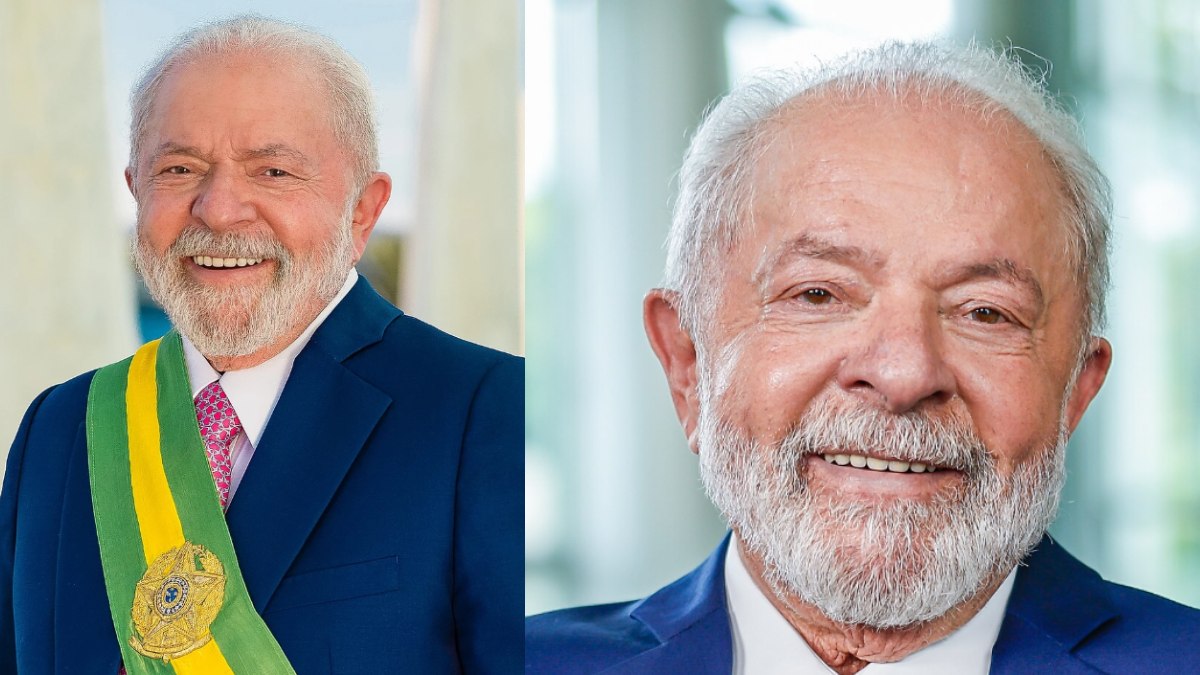
With almost all votes counted, Lula received 51.75% of the valid votes and Bolsonaro 48.25%. The outcome was announced after a closely fought campaign that kept voters and political observers up at night looking into the final stages of counting.
Lula's win is a crucial one because he finished behind Bolsonaro in the first round earlier in October. His campaign then rallied around it through public rallies, social media outreach and new promises to help lower-income families.
A Setback for Latin America’s Right Wing
The result is a setback for right-wing political forces seeking to expand their influence across Latin America. Conservative candidates in the region have been gaining more and more support to campaign on public security, economic reform and to be in opposition to established political parties.
Flávio Bolsonaro, the son of former Brazilian President Jair Bolsonaro, ran on right-wing platforms and promised closer relations with the United States. The Bolsonaro family has not been able to win the presidency in this election of course.
Lula’s win is also a political setback for Donald Trump, too; he has close political ties to Bolsonaro family. The Brazilian election had attracted international attention because of wider disputes over trade, sovereignty and the future direction of the region.
But Lula's win does not mean that the right-wing movements have lost their influence across Latin America. Conservative parties continue to enjoy substantial backing in several countries and Brazil’s political divisions remain deep.
Economic Problems Led to the Campaign.
Economic pressures were key to the election campaign. Lula’s government emphasized social programmes, employment and efforts to reduce inequality but many voters were still concerned about living costs, household debt and public security.
Lula promised to intensify social welfare programs; to raise the living standards of workers and continue investing in public services. He also stressed Brazil to be independent in international relations and to have closer trade relations with other countries around the world.
Bolsonaro, in contrast, tried to attract voters upset with the government and demanding that action be taken against crime. The close final result was a sign of conflicting preferences of Brazilian voters.
Challenges Await Lula in his fourth term.
Lula has much to do with still, however, despite his political success. Brazil is politically divided and a conservative-leaning Congress would make it difficult for his government to achieve its goals.
The administration will need to balance social spending with fiscal pressures and balance public security, economic growth and the cost of living. So will maintaining the support of voters who supported him for economic reasons.
The result offers Lula another chance to shape Brazil’s domestic and foreign policies. How he can work with political foes and keep campaign promises will determine whether the historic victory is sustained in the public.
What Lula’s victory means for Brazil.
Lula’s fourth term marks a historic moment in Brazilian politics and is in contrast to the conservative momentum experienced elsewhere in Latin America. His victory only strengthens the base of the political left in Brazil but it does not solve the economic and institutional problems facing the country.
As Brazil settles in for the next presidential election, its economy and relations with Washington will be key to the government’s ability to govern a nation where it is deeply divided.







Comments