
The KSRTC has imposed another financial burden on bus passengers by hiking luggage transportation charges across its services. The new rates will be effective from today, and commuters who are already paying more for bus ticket fares will now have to shell out more money as well.
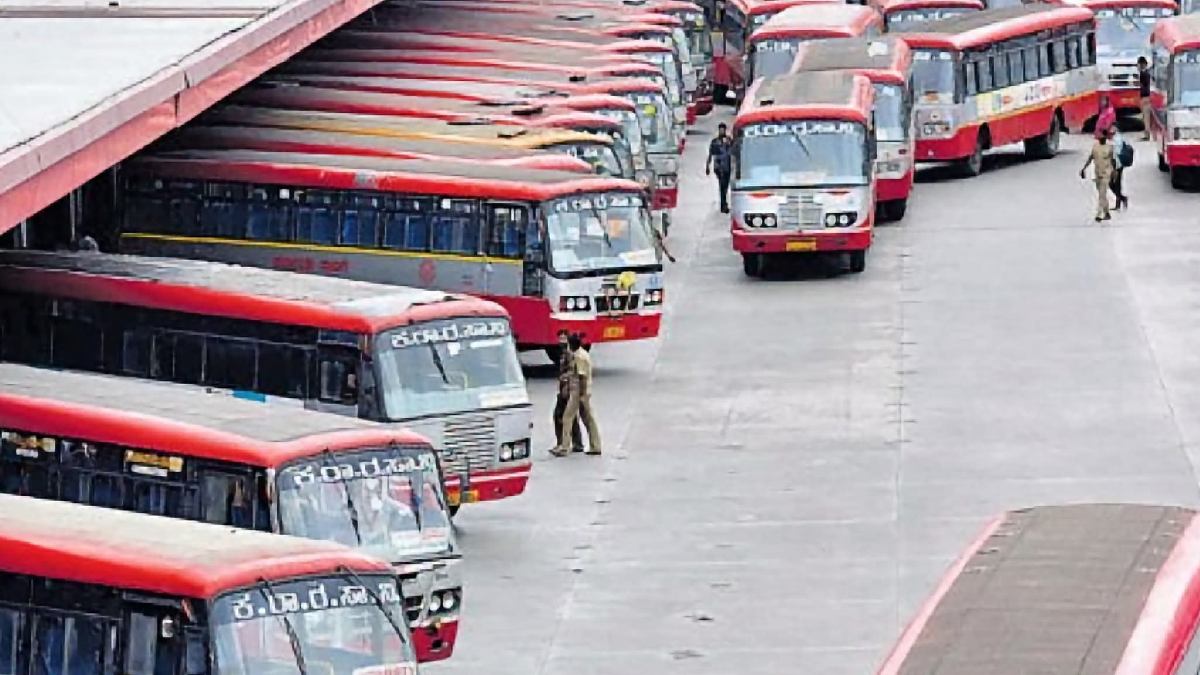
Those who carry goods and luggage while travelling (small traders, business owners, etc.) depend on state-run buses to transport material between towns and districts, so the latest revision is expected to hit them badly. Under the revised structure, luggage charges have been increased at different stages of travel; passengers will now have to pay more if they carry luggage beyond free weight limits prescribed earlier.
As per the new tariff, luggage charge for the first five stages has been increased from Rs 6 to Rs 10; for journeys on the sixth to tenth stage it has been increased from Rs 10 to Rs 15; and for journeys on the eleventh to fifteenth stage it will be Rs 25 instead of Rs 20. So these are increases of Rs 4, Rs 5 and Rs 5 respectively in all three categories. The charges come into effect from today, and passengers who want to carry additional luggage on KSRTC buses will have to account for the higher cost while making travel arrangements.
KSRTC Luggage Charges: What Has Changed?
The new rates have been introduced with higher charges depending on the number of stages covered by a passenger during his journey. For journeys up to five stages, passengers will now have to pay Rs 10 for chargeable luggage (Rs 6 earlier); between six and ten stages, the charge is Rs 15 (Rs 10 earlier); between eleven and fifteen stages, Rs 25 (Rs 20 earlier).
It may seem like a small increase for individual journeys, but for people who travel with goods it could be a recurring cost. Small traders, vendors and business owners who use public transport to move products between towns and district centres will feel it most acutely; even a slight rise in transportation costs for these passengers means their daily operating expenses (when they make multiple trips) are affected.
Free Luggage Allowance Continues for Passengers
Passengers are not charged for luggage transported, but the weight limit free of charge has been reduced. Passengers may carry up to 10 kg free of charge (some heavier items up to 20 kg as well). Luggage over the weight limits will be charged under the new tariff.
Passengers should know the categories of luggage allowed before they travel so that confusion does not arise during their journey. Free allowance does not mean every item up to 20 kg is exempt from charges (different conditions apply to different categories of luggage). Travellers carrying heavy goods should check with KSRTC officials or at the bus station beforehand whether the weight and fare rules are as stated above.
Small Traders and Regular Commuters May Feel the Impact
The new luggage charges will impact people who use KSRTC services for more than personal travel. In many towns and district centres in Karnataka, public buses are used by small traders and business owners to carry products, supplies and other goods. If they regularly carry materials between markets, the increased charges could add to their monthly expenses.
Daily commuters who occasionally carry heavier luggage may also have to pay more under the new regime. It could be felt most strongly by passengers travelling longer distances or making frequent trips with chargeable goods. The revised rates are based on travel stages, but for those people whose livelihood depends on these services, that extra cost will become real.
Another Cost Increase for Karnataka Bus Passengers
The revision of luggage charge comes at a time when public transport users are already paying more for travel due to the recent hike in bus ticket fares by Karnataka’s transport corporations. The latest move is therefore likely to draw attention from regular passengers, those who use public buses both for personal and commercial purposes.
Public transport is still an important and affordable way for many households to travel between villages, towns and cities, so any increase in costs impacts their overall travel budget. Small traders (especially) may have few other options for transporting goods and may not be able to absorb repeated increases in operating expenses.
The revised KSRTC luggage charges have come into force now, and passengers carrying luggage beyond the free limits will have to pay according to the new tariff. Travellers should check the latest official rules before carrying goods on buses. The main concern for passengers will be whether the increased charges are still manageable (for daily travel and business).




Comments