
The handover took place at Pitt Rivers Museum in Oxford, and nearly 30 members of the Naga delegation travelled from Nagaland to attend the ceremony. The remains were handed over formally to FNR (Forum for Naga Reconciliation) and Naga Tribe Hoho.
Pitt Rivers Museum director Professor Laura Van Broekhoven and FNR representative Rev. Dr Wati Aier signed the transfer documents. Representatives of Naga organisations were present at the ceremony too, a milestone for the community in bringing their ancestors home.
How Did the Naga Ancestors' Remains Reach Oxford?
The remains (mostly skulls and other fragments) were brought to Oxford during the colonial period. According to the museum, most arrived between about 1910 and 1940 through two British colonial administrators and anthropologists, John Henry Hutton and James Philip Mills.
The museum records show that the collection was not always voluntary donations: some human remains and cultural objects were confiscated during punitive military expeditions.
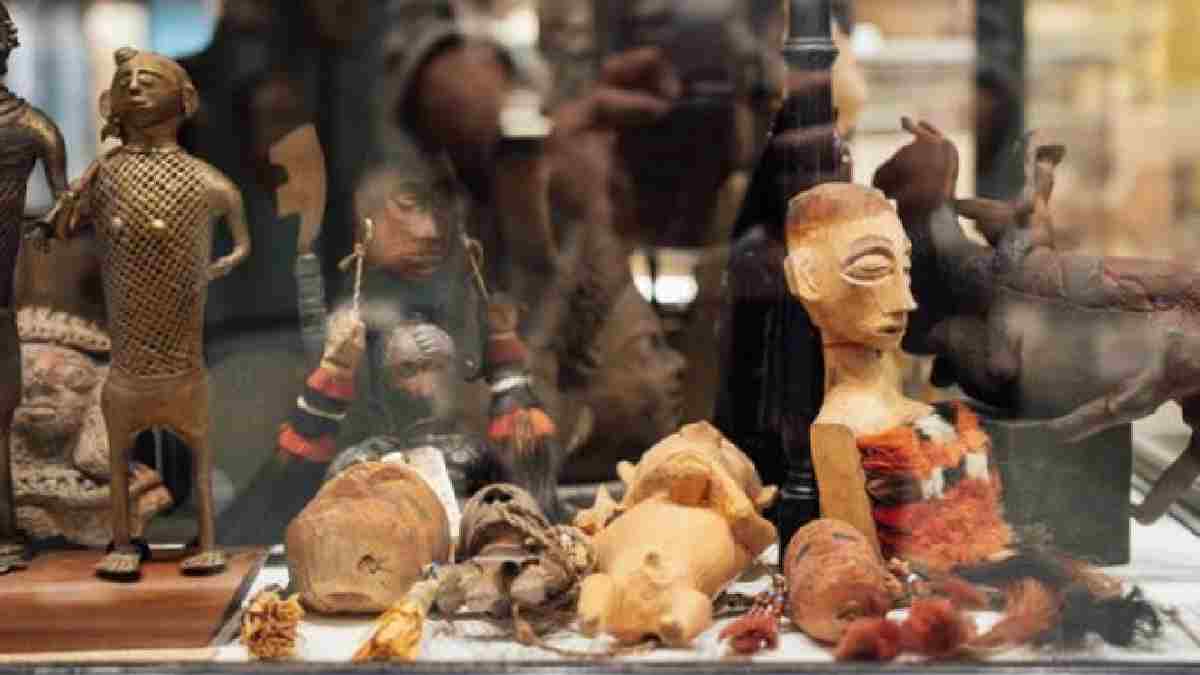
Pitt Rivers Museum (founded in 1884) has one of the world’s largest collections of Naga cultural material with thousands of objects representing the community’s heritage.
The 39 ancestral remains were part of a larger collection that had been held at the museum for decades. Some human remains were displayed publicly, but in 2020 the museum removed all human remains from exhibition.
Six Years of Efforts Led to the Repatriation
The return follows a dialogue, research and negotiation process that began in 2020. The Forum for Naga Reconciliation (including its Recover, Restore and Decolonise initiative), tribal organisations, elders and community representatives worked with the museum to secure the return.
In February 2026, the Naga organisations made a formal request covering 40 sets of ancestral remains. On July 13, 2026 University of Oxford Council approved the return of 39 sets.
One set of remains was excluded because its Naga origin could not be established, said the museum.
It was the Naga community that led this movement so that the ancestors could be returned and given a decent resting place in their homeland.
Where Will the Remains Be Taken?
After the handover, the ancestral remains started their journey from Oxford to Nagaland.
Forum for Naga Reconciliation said preparations have also been made for their burial at Naga Solidarity Park in Kohima. The management committee of the park has allotted a site for a common resting place.
The memorial proposed is intended to be a space of remembrance, healing and reconciliation for Naga communities.
Naga leaders have said the return is not just about handing over bodies. It’s also about restoring ancestral ties, dignity and cultural memory.
A Significant Moment in the Debate Over Colonial Collections
The return of the 39 Naga ancestors is part of a wider international debate about human remains and cultural objects collected by colonial institutions.
Museums in several countries have been called to return ancestral remains and heritage materials to Indigenous communities when they were acquired coercively or without meaningful consent.
Oxford handover for the Naga people is years of work done and the beginning of another step — bringing their ancestors home so they have a respectful final resting place.
The return of the 39 ancestors after more than a century away from their homeland is historic for Nagaland and its communities.




Comments